Hypertension Safety: What You Need to Know About Managing High Blood Pressure
When you have hypertension, a chronic condition where the force of blood against artery walls is consistently too high. Also known as high blood pressure, it often shows no symptoms but quietly damages your heart, kidneys, and blood vessels over time. Many people don’t realize they have it until something serious happens — a stroke, a heart attack, or kidney failure. That’s why hypertension safety isn’t just about taking pills. It’s about understanding how your choices every day affect your long-term health.
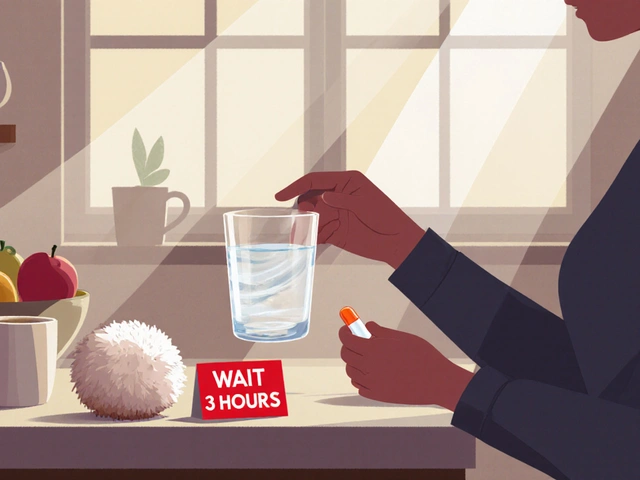
Managing blood pressure medication, drugs like ACE inhibitors, beta-blockers, or diuretics prescribed to lower pressure correctly is critical. Taking the wrong dose, skipping pills, or mixing them with alcohol or certain supplements can turn a lifesaving treatment into a danger. For example, some over-the-counter cold medicines can spike your blood pressure, and grapefruit can interfere with common hypertension drugs. Even something as simple as suddenly stopping your medication can cause a rebound effect — your pressure surges higher than before. This isn’t theoretical. Real patients end up in emergency rooms because they didn’t know these risks.
Then there’s hypertension risks, the long-term consequences of uncontrolled high blood pressure, including heart disease, stroke, and kidney damage. These aren’t distant threats. One in three adults in the U.S. has hypertension, and nearly half of them don’t have it under control. The damage builds silently. A person might feel fine, eat poorly, skip exercise, and not check their pressure for months — then wake up with numbness on one side of their body. That’s not bad luck. That’s preventable.
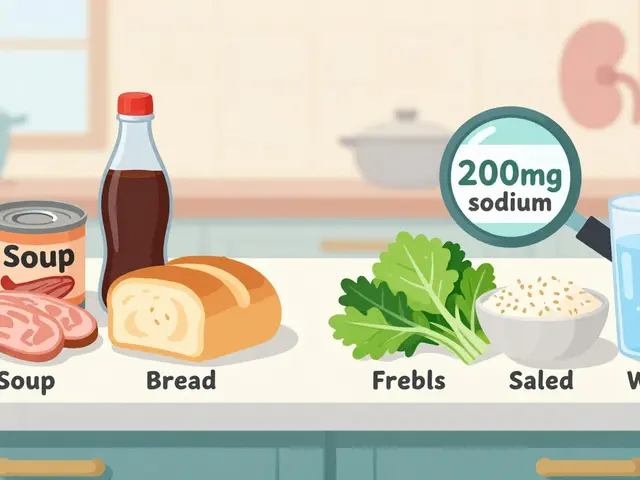
And it’s not just about drugs and risks. blood pressure management, the daily habits that help keep pressure stable, like diet, activity, sleep, and stress control is where most people can make the biggest difference. Reducing salt, losing even 5% of body weight, walking 30 minutes a day, and getting enough sleep can lower pressure as much as some medications. But people get overwhelmed by conflicting advice. Some say cut all salt. Others say potassium matters more. Some push intense workouts. Others warn against overexertion. The truth? It’s not about perfection. It’s about consistency. Small, smart changes add up.
You’ll find posts here that cut through the noise. We’ve got guides on how to safely use blood pressure meds without side effects, what to avoid when you’re on diuretics, how obesity affects your treatment, and why kidney health matters when your pressure is high. You’ll see real comparisons — like how one drug works better for someone with diabetes versus someone with heart failure. You’ll learn what to do if your pressure spikes suddenly, how to tell if your meds are working, and why checking your pressure at home matters more than you think.
This isn’t a list of generic tips. These are practical, tested insights from people who’ve been there — patients and providers alike. Whether you’re newly diagnosed, struggling to stick with your plan, or just want to avoid complications, what follows gives you the clarity you need to take real control. No fluff. No jargon. Just what works — and what doesn’t — when it comes to staying safe with hypertension.
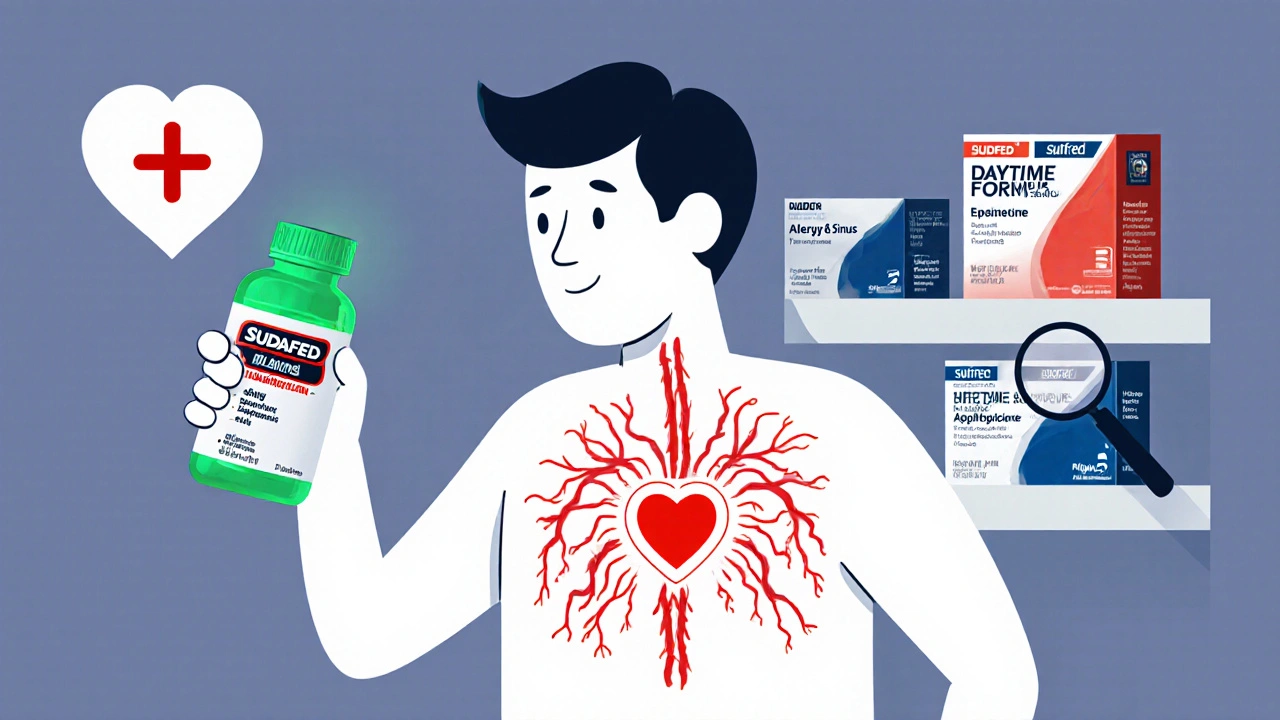
Nasal Decongestants and Blood Pressure Medications: What You Need to Know for Safe Use
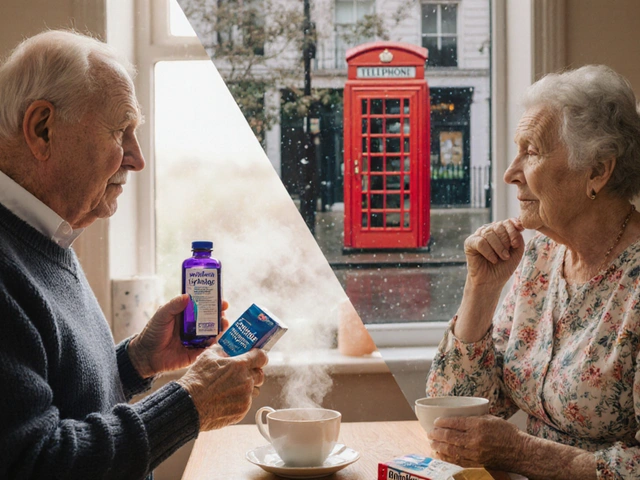
Nasal decongestants can dangerously raise blood pressure and interfere with hypertension meds. Learn which ingredients to avoid, safer alternatives, and how to use cold medicine safely if you have high blood pressure.