Opioid Tolerance & Safety Risk Assessor
Patient Parameters
Safety Analysis
Enter your details to see your daily MME equivalent and personalized safety warnings based on current medical guidelines.
Imagine taking a medication that worked perfectly for your back pain three months ago. Today, that same dose does nothing. You feel the ache returning, so you take another pill. Then another. This isn’t just bad luck or a worsening injury-it’s opioid tolerance, a physiological state where your body adapts to the drug, requiring higher doses to achieve the same effect. It is a silent trap that catches many patients, leading to dangerous escalation cycles that can end in overdose.
You might think you are simply getting stronger against the pain, but your nervous system is actually changing. Understanding why this happens is not just academic; it is a matter of life and death. With over 107,000 Americans dying from drug overdoses in 2022 alone, knowing how tolerance works helps you protect yourself and your loved ones. Let’s break down what is happening inside your body, how it differs from addiction, and what you can do to manage it safely.
How Your Body Adapts to Opioids
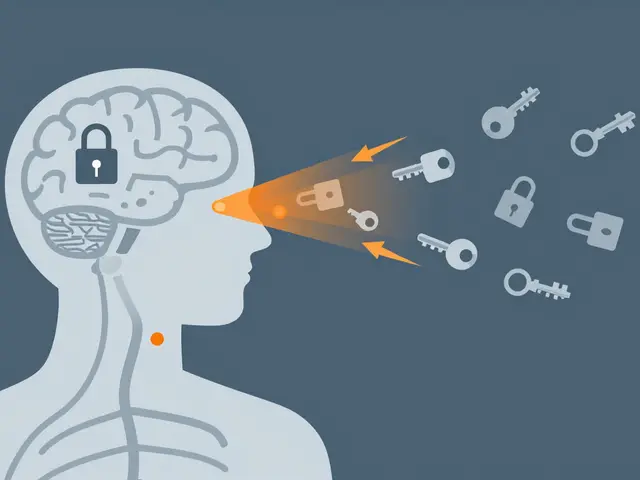
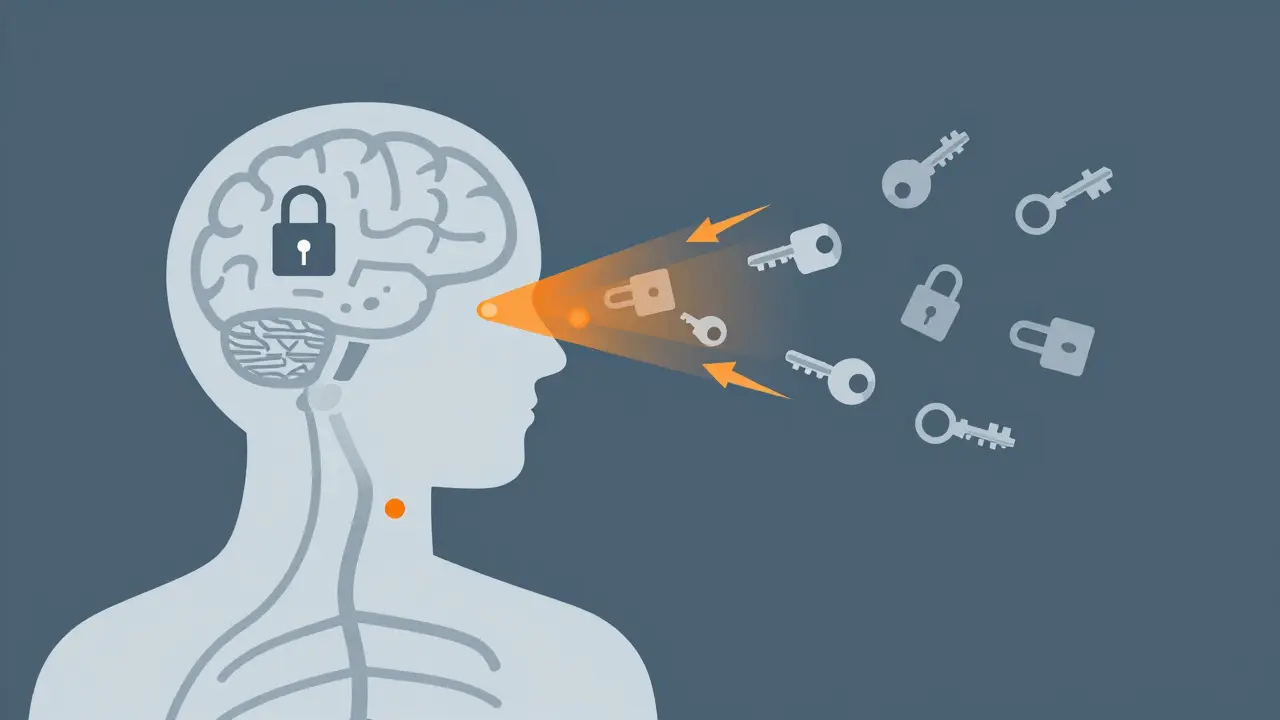
Opioid tolerance is not a character flaw. It is a biological response. When you first take an opioid, it binds to specific receptors in your brain and spinal cord, primarily the mu-opioid receptor (MOR). These receptors are like locks, and the opioid molecules are keys. When they fit together, they block pain signals and trigger a release of dopamine, which creates feelings of relief and sometimes euphoria.
However, your body hates being forced out of balance. If you keep flooding these receptors with opioids, your nervous system decides there are too many keys. To compensate, it starts removing some locks (downregulation) or making the remaining locks harder to open (desensitization). Research published in *Experimental and Therapeutic Medicine* shows that inflammatory factors in the brain also play a role here, further dulling the signal.
The result? The same dose no longer opens enough locks to stop the pain. You need more drug to get the same result. This process happens at different speeds for different effects. You might develop tolerance to the pain-relieving effects quickly, while your body remains sensitive to the dangerous side effects, like slowed breathing. This mismatch is what makes tolerance so risky.
Tolerance vs. Dependence vs. Addiction
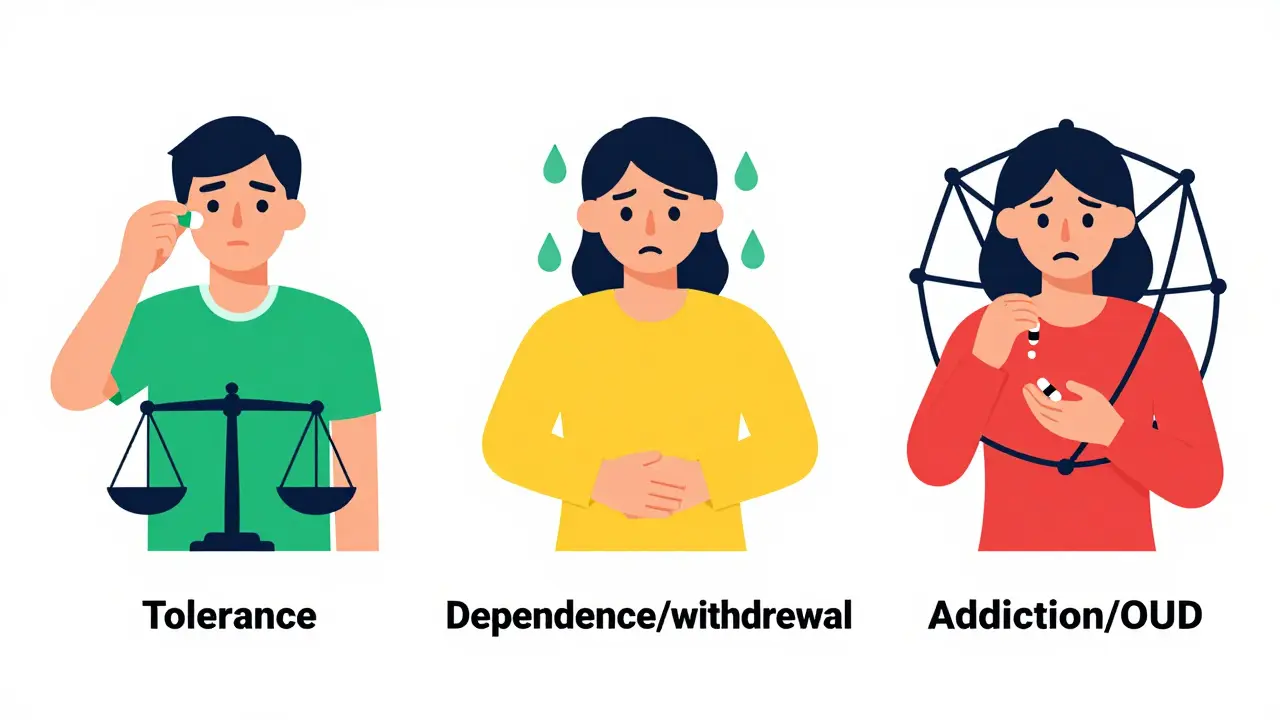
People often use these terms interchangeably, but they mean very different things. Confusing them can lead to stigma or, worse, poor medical decisions. Here is how to tell them apart:
- Opioid Tolerance: Your body needs more of the drug to get the same effect. This is a physical adaptation. It happens to almost everyone who takes opioids regularly.
- Opioid Dependence: Your body has adjusted its normal functioning around the presence of the drug. If you stop suddenly, you experience withdrawal symptoms like nausea, sweating, and anxiety. Dependence is expected with long-term use and is not the same as being "addicted."
- Opioid Use Disorder (OUD): This is a chronic disease characterized by compulsive use despite harmful consequences. It involves loss of control, cravings, and continued use even when it hurts your health, relationships, or job.
The Centers for Disease Control and Prevention (CDC) emphasizes this distinction clearly. You can have tolerance and dependence without having an addiction. Many cancer patients or those with severe chronic pain have high tolerance levels but use their medication responsibly under doctor supervision. Recognizing this difference reduces shame and encourages honest conversations with healthcare providers.
The Dangerous Cycle of Dose Escalation
When tolerance sets in, the temptation to increase the dose is strong. You want the pain relief you had before. But escalating doses comes with steep risks. According to CDC guidelines, about 30% of patients prescribed long-term opioids require dose increases within the first year. However, increasing the dose doesn’t always bring better pain relief. Often, it just brings more side effects.
Here is the scary part: tolerance to respiratory depression (slowed breathing) develops slower than tolerance to pain relief. This means you might be able to swallow a huge dose without feeling sedated, but if something goes wrong-like mixing it with alcohol or benzodiazepines-your breathing can still stop. This is why dose escalation is a primary driver of overdose deaths.
| Effect | Tolerance Speed | Risk Factor |
|---|---|---|
| Pain Relief (Analgesia) | Moderate to Fast | Leads to dose escalation |
| Euphoria | Fast | Drives recreational misuse |
| Respiratory Depression | Slow / Incomplete | Primary cause of fatal overdose |
| Nausea/Constipation | Variable | Side effects may persist despite tolerance |
Why Tolerance Loss Is Deadly
If you stop taking opioids for a while, your tolerance drops. This is called "loss of tolerance." It happens during rehab, incarceration, hospital stays, or periods of successful abstinence. Your body reverts to its pre-opioid sensitivity.
This is critical to understand because many people assume they can return to their previous dose after a break. They cannot. Studies show that 65% of overdose deaths among people in recovery involve returning to previous use patterns without adjusting the dose. Even a small amount of opioid, which used to be safe, can now be lethal.
This phenomenon explains why 74% of fatal opioid overdoses among people with opioid use disorder occur within the first few weeks after release from incarceration. The street drug supply today is laced with fentanyl, a synthetic opioid 50 to 100 times stronger than morphine. A person with lowered tolerance encountering fentanyl-adulterated drugs faces an extreme risk of death. The CDC’s current campaign warns: "Your tolerance is lower now-start with a fraction of your previous dose."
Managing Tolerance Safely
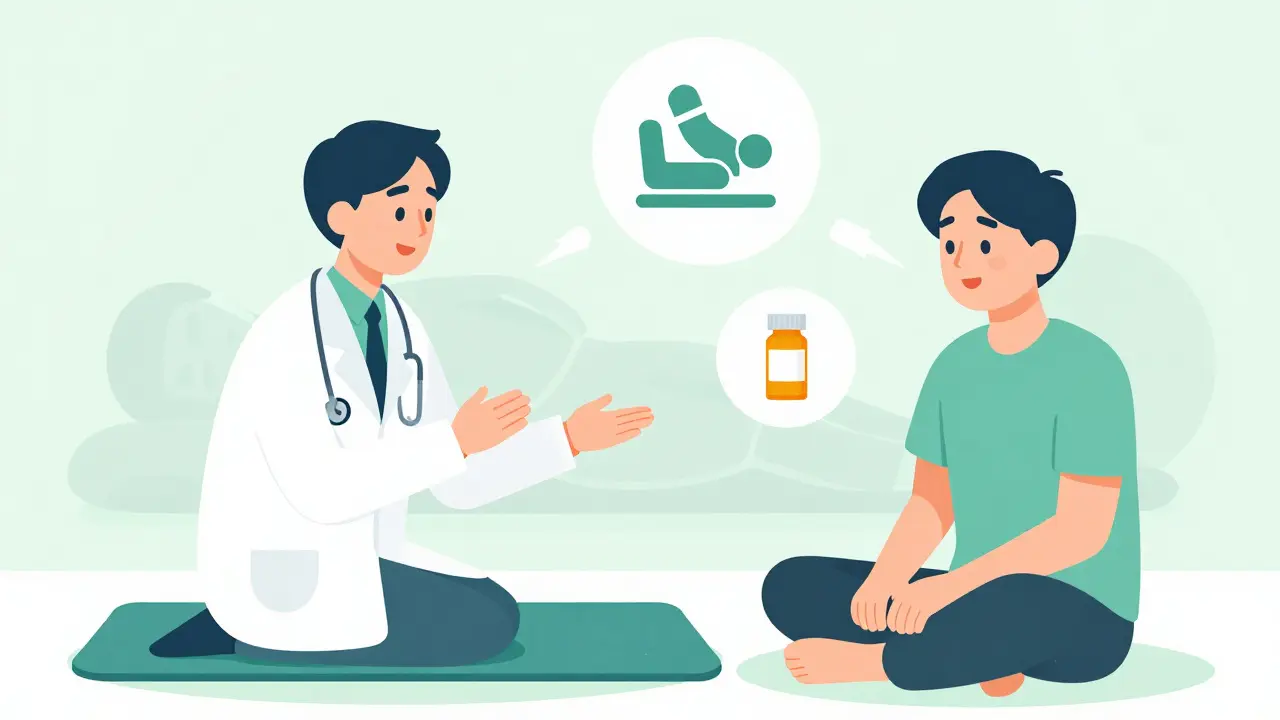
You don’t have to accept tolerance as a reason to suffer or to risk overdose. There are clinical strategies to manage it. First, never adjust your dose on your own. Talk to your doctor. They may suggest "opioid rotation," switching to a different opioid. Sometimes, a new opioid will provide better pain relief at a lower equivalent dose because your body hasn’t developed cross-tolerance to it yet.
Second, consider non-opioid alternatives. The CDC recommends reevaluating treatment goals before increasing doses above 50 morphine milligram equivalents (MME) per day. Physical therapy, cognitive behavioral therapy, nerve blocks, and certain antidepressants or anticonvulsants can help manage pain without adding to opioid load.
Third, stay informed about emerging treatments. Researchers are looking into drugs that block the inflammatory pathways involved in tolerance, such as TLR4 inhibitors. While these are still in trials, understanding that science is moving forward offers hope. For now, the best tool you have is education and open communication with your healthcare team.
Signs You Need Help
Knowing when to step back is vital. Watch for these red flags:
- You are consistently needing more pills to get through the day.
- You are experiencing withdrawal symptoms between doses.
- Your pain is not improving despite higher doses.
- You are using opioids alongside other depressants like alcohol or sleep aids.
- You feel anxious or depressed about your medication use.
If any of these apply, contact your provider immediately. There is no shame in adjusting your treatment plan. Pain management is complex, and tolerance is a normal part of that journey. The goal is not just to silence the pain, but to live safely and fully.
How quickly does opioid tolerance develop?
Tolerance can begin to develop within days or weeks of regular opioid use. The speed varies greatly depending on genetics, metabolism, and the specific opioid used. Some patients notice diminishing effects within a month, while others maintain stable doses for much longer. There is no single timeline, which is why regular check-ins with a doctor are essential.
Can you reverse opioid tolerance?
You can reduce tolerance by lowering the dose or stopping the medication entirely, allowing your body to reset. However, this must be done under medical supervision to avoid severe withdrawal. Opioid rotation can also effectively "reset" tolerance to a specific drug by introducing a chemically similar but distinct molecule.
Is opioid tolerance the same as addiction?
No. Tolerance is a physical adaptation where the body needs more drug for the same effect. Addiction (Opioid Use Disorder) is a behavioral and neurological condition involving compulsive use despite harm. You can have tolerance without being addicted, and vice versa, though they often co-occur.
What should I do if I missed several days of my opioid prescription?
Do not resume your previous full dose. Your tolerance has likely decreased significantly. Contact your healthcare provider immediately. They will guide you on restarting at a lower, safer dose to prevent accidental overdose. Taking your old dose after a break is a leading cause of fatal overdoses.
Does tolerance mean the medicine is no longer working?
It means the medicine is less effective at the current dose. It doesn't mean it's useless forever. Doctors may adjust the dose, switch medications, or add non-opioid therapies to regain pain control. Simply increasing the dose indefinitely is not a sustainable or safe solution.