Biosimilar vs Generic: What’s the Real Difference?
When you hear biosimilar, a biologic medication that is highly similar to an already-approved biologic drug, with no clinically meaningful differences in safety or effectiveness. Also known as biologic similarity product, it is not a copy but a highly matched version of a complex living-cell-derived medicine. you might think it’s just another word for generic drug, a chemically identical version of a brand-name small-molecule drug, approved after the original patent expires. Also known as generic medication, it is a straightforward chemical duplicate that can be made in a lab using standard processes.. But that’s where the confusion starts. A generic drug is like copying a Lego block—you can rebuild it exactly the same way every time. A biosimilar is like trying to recreate a handmade ceramic vase made by a master potter using live yeast cultures and living cells. Even with the same recipe, tiny differences in temperature, fermentation, or purification can change the outcome. That’s why biosimilars can’t be called "identical"—they’re highly similar, but not exact copies.
Why does this matter? Because biologic drugs, complex medications made from living organisms like cells or proteins, used to treat cancer, autoimmune diseases, and chronic conditions. Also known as biologics, they are often the only effective treatment for serious illnesses like rheumatoid arthritis or Crohn’s disease. cost thousands per month. Biosimilars bring down those prices without sacrificing safety, but they require way more testing than generics. While a generic only needs to prove it’s chemically the same, a biosimilar must show it behaves the same in the body—how it’s absorbed, how long it lasts, how it triggers immune responses. That’s why you’ll see biosimilars listed for drugs like Humira, Enbrel, or Rituxan, not for simple pills like metformin or lisinopril. You won’t find a biosimilar version of aspirin because aspirin isn’t a biologic. And you won’t find a generic version of Humira unless it’s made from living cells—then it’s a biosimilar.
Some people worry biosimilars are riskier. They’re not. The FDA and EMA require the same strict safety monitoring for biosimilars as for the original biologics. Thousands of patients use them safely every day. But they’re not interchangeable by default—your doctor has to specifically prescribe them. And while generics are often swapped at the pharmacy without asking, biosimilars usually need a new prescription. That’s because switching between a biologic and its biosimilar isn’t like swapping one brand of ibuprofen for another. The body might react differently to slight variations in protein structure.
What you’ll find below are real-world comparisons, safety guides, and drug-specific breakdowns that cut through the marketing noise. You’ll see how biosimilars stack up against originals in treating autoimmune diseases, how they’re regulated differently than generics, and why some patients see better results with one over the other. There are posts on drug interactions, cost differences, and even how insurance handles each type. No fluff. No jargon. Just clear, practical info so you know exactly what you’re getting when your doctor suggests a biosimilar—or a generic—instead of the brand name.
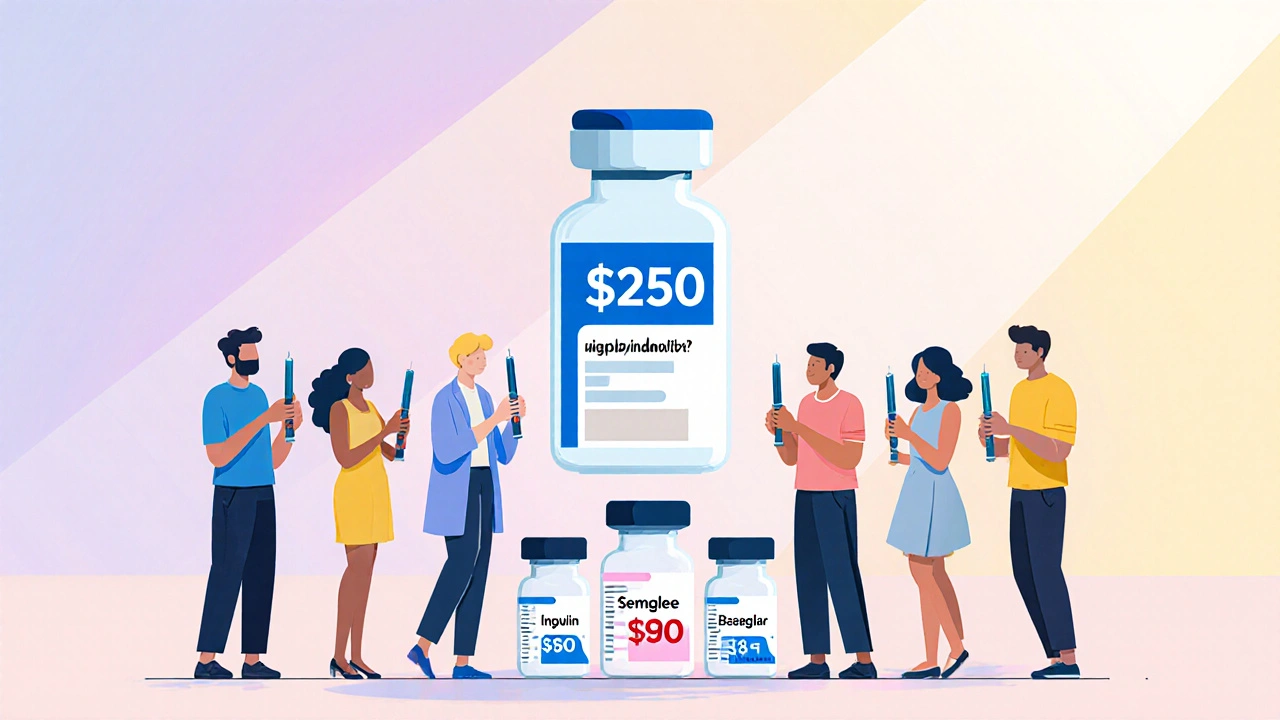
Insulin Biosimilars: What You Need to Know About Cost, Safety, and Market Options
Insulin biosimilars offer the same effectiveness as branded insulins at 30% lower cost. Learn how they work, which ones are available, why adoption is slow, and how to switch safely.