Heart Attack Symptoms: What to Recognize and When to Act
When your heart stops getting enough blood, it sends clear signals—but they’re not always what you expect. A heart attack, a medical emergency caused by blocked blood flow to the heart muscle. Also known as a myocardial infarction, it doesn’t always mean clutching your chest and collapsing. Many people, especially women and older adults, feel fatigue, nausea, or jaw pain instead. Ignoring these signs can be deadly. The sooner you act, the better your chances. Every minute counts.
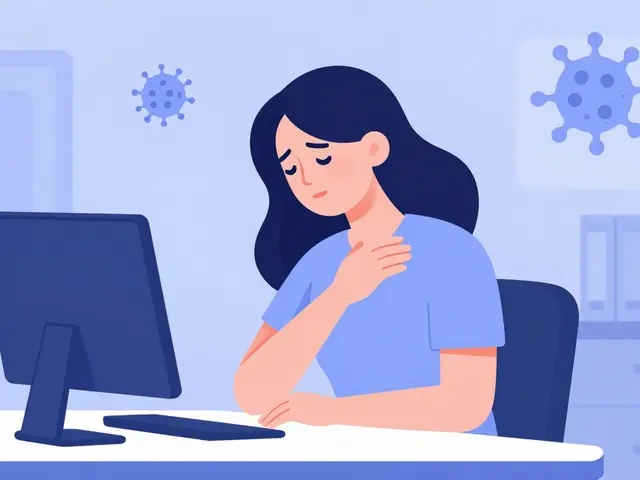
Heart attack symptoms don’t always show up like in the movies. While chest pain, a crushing or squeezing pressure in the center of the chest that lasts more than a few minutes is common, it’s not universal. Some people feel indigestion, others get sudden shortness of breath, or their left arm goes numb. heart disease, a broad term covering conditions that affect the heart’s structure or function often builds up silently for years before a major event. High blood pressure, diabetes, smoking, and family history all raise your risk. You don’t have to be old or out of shape to have one—about 20% of heart attacks happen in people under 55.
Women are more likely than men to report symptoms like back pain, dizziness, vomiting, or extreme fatigue. Older adults might just feel unusually tired or confused. Diabetics can have what’s called a "silent" heart attack with little or no pain because nerve damage dulls the warning signals. If you’re unsure, don’t wait. Call emergency services if you feel any unusual discomfort that lasts more than five minutes, especially if it comes with sweating, nausea, or trouble breathing. Emergency teams can start treatment on the way to the hospital, and early intervention can save heart muscle—and your life.
What you’ll find below isn’t just a list of articles. It’s a practical guide to the conditions and medications tied to heart health—from how pain relievers affect blood pressure, to how kidney function ties into heart risks, and why some drugs can quietly increase your chances of trouble. These posts don’t just explain symptoms—they help you connect the dots between everyday choices and heart safety. Whether you’re managing high blood pressure, taking blood thinners, or just want to know what to watch for, the information here is real, clear, and meant to help you act before it’s too late.

Chest Pain Evaluation: When to Go to the Emergency Department
Chest pain can be a sign of a heart attack-but not always. Learn the key symptoms that mean you need to call 911 now, what happens in the ER, and why waiting could be dangerous.