Mouth Cancer: What You Should Know Right Now
Mouth cancer, also called oral cancer, can be serious but spotting it early makes a big difference. It can develop in places like the lips, tongue, cheeks, roof of the mouth, or gums. So knowing what to watch for and understanding risk factors helps you take action quickly.
Let’s start with the common signs. You might notice a sore or lump in your mouth that doesn’t heal within two weeks. Sometimes it feels painful, but not always. White or red patches, difficulty swallowing, a numb feeling in parts of your mouth, or a persistent sore throat are other important symptoms. If any of these pop up and stick around, don’t wait—get checked by a healthcare provider.
Who’s at Risk and How Does It Develop?
Tobacco use is the biggest risk factor. This includes smoking cigarettes, cigars, pipes, or chewing tobacco. Heavy alcohol use also raises the chances. Other causes may include HPV (human papillomavirus) infections and prolonged sun exposure on the lips. Sometimes poor oral hygiene and a diet low in fruits and vegetables play a role too.
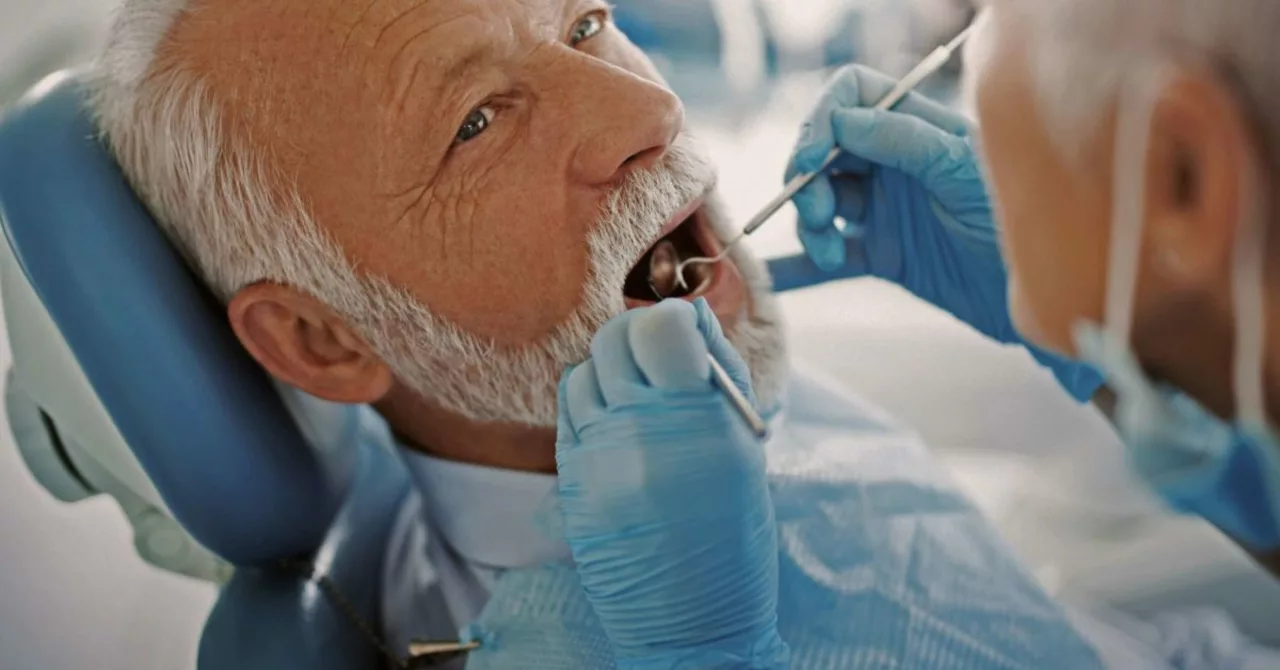
Mouth cancer usually starts as abnormal cells that grow unchecked. Early stages may look like harmless ulcers or patches, which is why regular dental check-ups are important. Dentists are trained to spot suspicious changes and can guide you towards timely diagnosis and treatment.
What Are the Treatment Options?
Treatment depends on how advanced the cancer is. Early-stage mouth cancer can often be treated successfully with surgery or radiation therapy. For more advanced cases, doctors might combine surgery with chemotherapy or targeted drug therapy. Recovery and outcomes improve dramatically with early detection—so don’t delay getting checked if you have symptoms.
Besides treatment, keeping good oral hygiene, avoiding tobacco and excess alcohol, and protecting your lips from sun will help lower your risk. It’s also smart to stay informed and share any concerns with your healthcare provider promptly.
Understanding mouth cancer isn’t just for those at risk; it’s for anyone who cares about their health and wants to catch problems early. Remember, your mouth says a lot about your overall health, so keep an eye out and talk to your dentist or doctor if something feels off.
Is mouth ulcer starting point of mouth cancer?
Mouth ulcers are a common occurrence and can often be a sign of an underlying health condition, but could they also be an indicator of something more serious such as mouth cancer? While it is true that mouth ulcers can be a potential symptom of mouth cancer, it is important to note that they are not typically an indicator of the disease. There are a number of other factors that can contribute to the development of mouth cancer, such as smoking or drinking alcohol, that need to be taken into consideration. Ultimately, the best way to determine if mouth ulcers are indicative of mouth cancer is to visit a doctor for a professional diagnosis.