Opioid Patch Risks: What You Need to Know
When dealing with opioid patch risks, the potential hazards linked to using transdermal opioid analgesics. Also known as opioid transdermal patches, they deliver pain medication through the skin over several days.
The core technology behind these devices is transdermal drug delivery, a method that moves medication across the skin barrier into systemic circulation. This approach provides steady blood levels and avoids daily pills, but it also means the dose is set for the whole wear period. If the patch sticks too well or too loosely, the amount of drug entering the body can shift dramatically. Opioid patch risks therefore include dose‑stacking, under‑dosing, and accidental exposure.
One of the most visible problems is skin irritation, redness, itching, or burns that occur where the patch adheres. The adhesive can trigger allergic reactions, especially on sensitive skin or after repeated applications. In severe cases the inflammation can increase drug absorption, turning a mild irritation into a systemic overdose trigger. Managing this risk starts with rotating sites, cleaning the area, and watching for any changes during the wear time.
Beyond the skin, the systemic side‑effects of opioids still apply. Drowsiness, constipation, nausea, and respiratory depression are all on the list. Because the patch releases medication continuously, these effects can build up silently. Patients often miss the early warning signs until they become serious, making regular check‑ins with a healthcare provider essential.
Another critical aspect is opioid dependence, the physiological and psychological need for the drug that can develop with prolonged use. Patches are easy to hide and can be left on for days, which may encourage misuse or diversion. The steady delivery can also mask the usual highs and lows, leading users to increase the number of patches or supplement with oral opioids. This cycle raises the chance of addiction and makes withdrawal harder when the patch is stopped.
Interactions with other medicines add another layer of complexity. Over‑the‑counter pain relievers such as acetaminophen, non‑steroidal anti‑inflammatories, or even other prescription opioids can amplify respiratory depression or liver strain. The same caution applies to medications that affect liver enzymes, which can either boost or cut the patch’s effectiveness. A thorough medication review is non‑negotiable before starting any transdermal opioid.
Safety isn’t just about spotting problems—it’s about preventing them. Key steps include:
- Selecting the correct strength for the patient’s opioid tolerance.
- Educating patients on proper site rotation and how to remove a patch safely.
- Scheduling regular follow‑ups to assess pain control, side‑effects, and signs of dependence.
- Using a calendar or app to track application and removal times.
- Keeping spare patches out of reach of children and pets.
Regulatory bodies classify opioid patches as controlled substances, which means prescribing doctors must follow strict documentation and monitoring rules. Pharmacies often require a signed receipt and may limit the number of patches dispensed at once. These measures aim to curb diversion while still giving patients access to effective pain relief.
Below you’ll find a curated collection of articles that dive deeper into the topics mentioned here. From dosing strategies for obese patients to comparisons of muscle relaxants and tips for managing kidney health with common pain relievers, the posts cover a wide range of safety considerations. Whether you’re new to opioid patches or looking to fine‑tune an existing regimen, the following resources will give you practical insights and clear guidance.
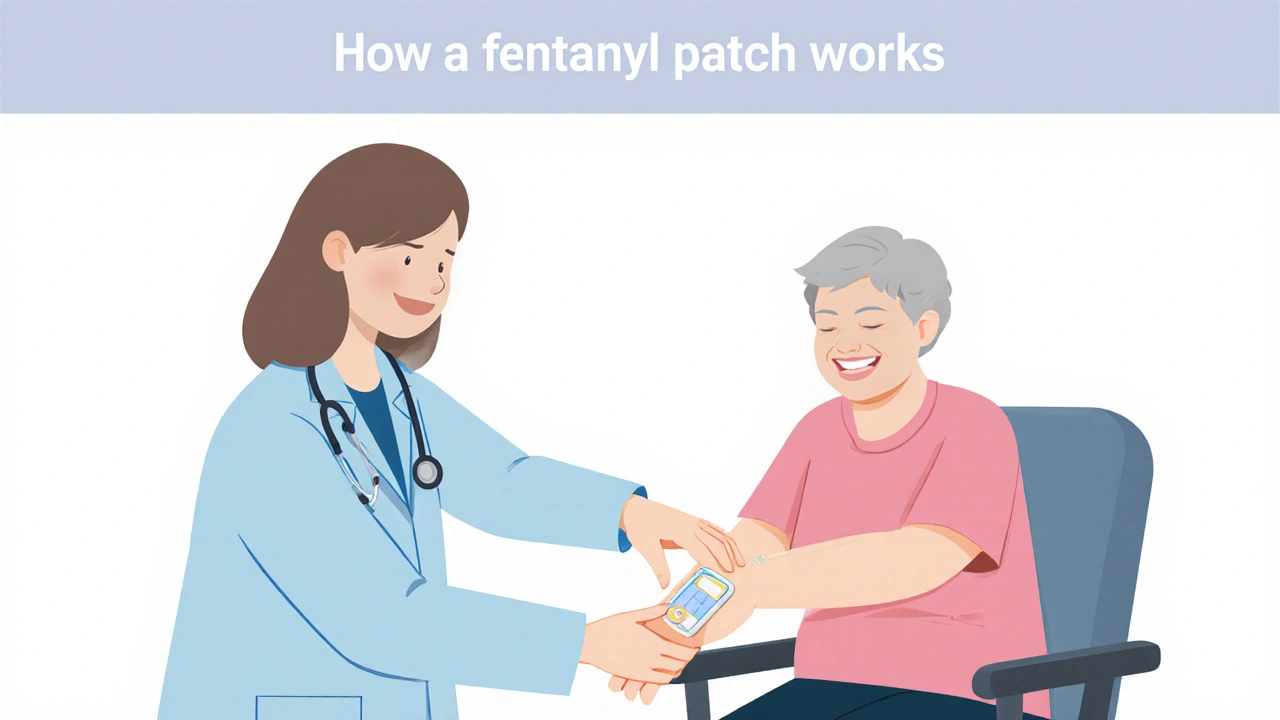
Fentanyl Patch Side Effects: Overdose & Withdrawal Risks Explained
Learn about the serious side effects, overdose signs, and withdrawal risks of fentanyl patches, plus practical tips for safe use, tapering, and emergency response.