Why Melatonin Doesn’t Work for Everyone (And How to Fix It)
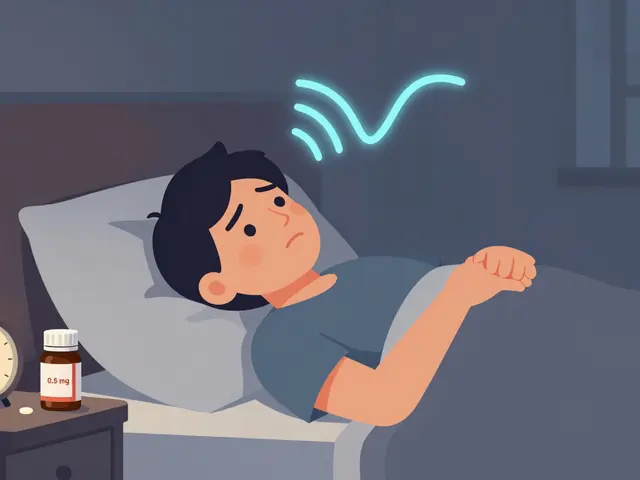
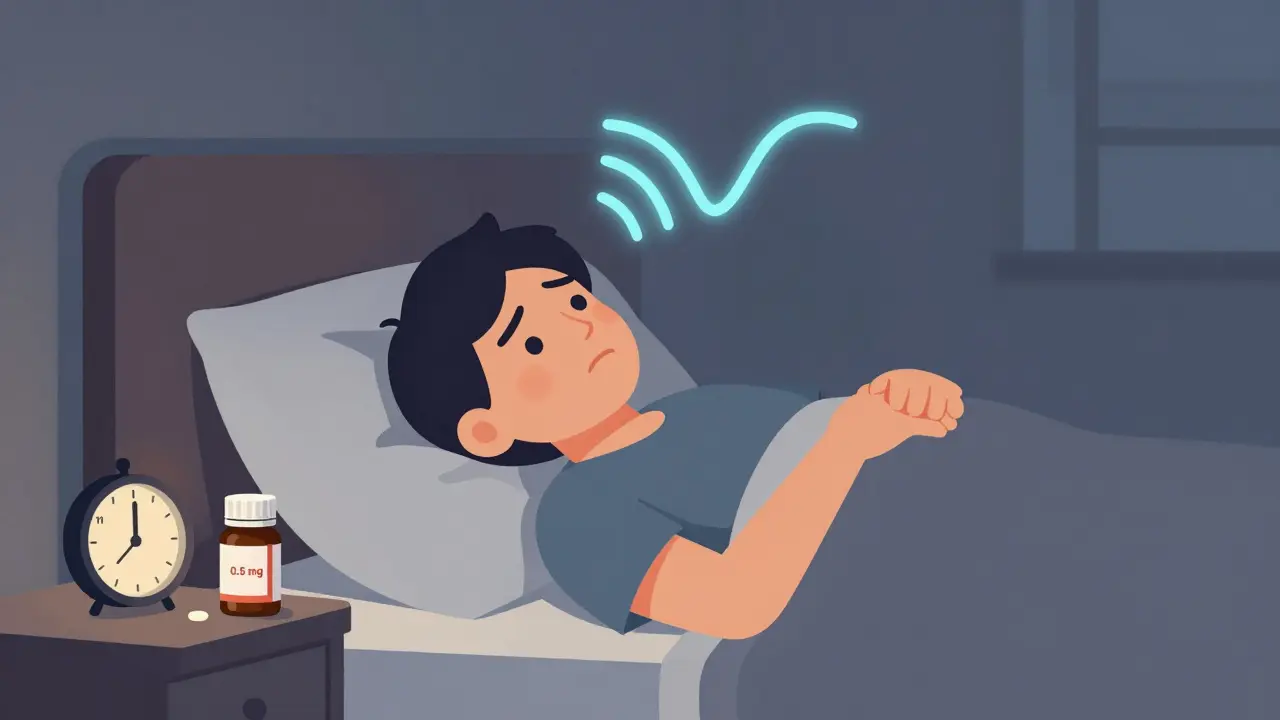
You take melatonin at bedtime like everyone says. You wait. You lie there. Nothing happens. Then you take more. Still nothing. You wake up groggy, with weird dreams, and feel worse than before. You’re not broken. You’re just using it wrong.
Melatonin isn’t a sleeping pill. It’s a signal. Your body makes it naturally when it gets dark, telling your brain: "It’s time to wind down." When you’re jet-lagged or have trouble falling asleep, you’re not missing sleep-you’re missing the right signal at the right time.
The problem? Most advice out there is outdated, conflicting, or flat-out wrong. Some sites say 0.5 mg. Others say 10 mg. Some say take it 30 minutes before bed. Others say 3 hours before. The NHS says one thing. The Sleep Foundation says another. And then there’s Timeshifter, which uses science most people have never heard of.
Here’s what actually works, based on the latest research from 2024 studies, clinical guidelines, and real-world protocols-not guesswork.
What Dose Actually Works? (It’s Not What You Think)
Most people start with 3 mg because that’s what’s in the bottle. But here’s the truth: higher doesn’t mean better. In fact, it often makes things worse.
A 2024 meta-analysis of 27 studies with over 2,400 people found that melatonin’s sweet spot for falling asleep faster is 4 mg. That’s the dose where it works best. But here’s the twist: you don’t need that much to start. Most adults get results with just 0.5 mg to 1 mg. Why? Because melatonin receptors in your brain get saturated above 5 mg. Once they’re full, extra melatonin doesn’t help-it just causes side effects.
Side effects? Morning grogginess, vivid dreams, headaches, dizziness. One survey found 37% of people taking more than 5 mg reported next-day drowsiness. That’s not sleep-that’s chemical fog.
Start low. Try 0.5 mg or 1 mg. Wait a few nights. If you’re still wide awake at 1 a.m., bump it up by 0.5 mg every 3-4 days. Don’t jump to 5 mg unless you’ve tried everything else. And never go over 10 mg without a doctor’s supervision-even though some brands sell 10 mg pills, that’s not a starting point. It’s a last resort.
When to Take It: The 3-Hour Rule (Forget 30 Minutes)
You’ve heard: "Take it 30 minutes before bed." That’s what the label says. That’s what your friend does. But it’s not how your body works.
Melatonin takes 30 to 60 minutes to hit your bloodstream. But your circadian clock doesn’t care about your bedtime-it cares about your body’s internal rhythm. If you’re trying to reset it (like after flying across time zones or shifting your schedule), you need to give it time to shift.
The 2024 meta-analysis showed something shocking: taking melatonin 3 hours before your desired bedtime worked significantly better than taking it 30 minutes before. Why? Because your body needs to feel the signal early enough to adjust its internal clock. If you’re aiming for 11 p.m. sleep, take it at 8 p.m. If you’re trying to fall asleep at midnight, take it at 9 p.m.
There’s one exception: if you’re on a long flight and want to sleep during the flight, take it 30-45 minutes before you want to nod off. That’s for immediate sleep, not rhythm reset.
Timing isn’t just about when you take it-it’s about when your body thinks it should be sleeping. Take it too late, and you’re telling your brain it’s still daytime. Take it too early, and it fades before you’re ready to sleep.
Jet Lag Protocols: East vs. West, Fast vs. Slow
Jet lag isn’t just tiredness. It’s your body clock stuck in the wrong time zone. Fixing it isn’t about sleeping more-it’s about shifting your rhythm fast.
For eastward travel (like flying from New York to London), your body thinks it’s still 5 a.m. when it’s actually 1 p.m. in London. You need to fall asleep earlier. Use 1-3 mg of fast-release melatonin at your destination’s bedtime. That’s usually 10-11 p.m. local time. Don’t take it before you land. Wait until you’re there.
For westward travel (like flying from London to New York), your body thinks it’s 3 p.m. when it’s actually 10 a.m. You need to stay awake longer. Here’s the counterintuitive part: take melatonin in the morning-not at night. Yes, morning. A 2024 study in the Journal of Biological Rhythms showed that taking 1 mg at 8 a.m. local time helps your body adjust faster by delaying your internal clock. It’s the opposite of what you’d guess, but it works.
And here’s what most guides get wrong: don’t use slow-release melatonin for jet lag. Slow-release is designed to keep melatonin in your system all night-great for insomnia, terrible for jet lag. You want a quick signal, not a long drip. Fast-release tablets or liquid work best.
Use this for no more than 5 days. The NHS recommends no more than 16 jet lag treatment courses per year. Overuse can confuse your natural rhythm even more.
Slow-Release vs. Fast-Release: Which One Should You Buy?
Not all melatonin is made the same. The form you choose changes everything.
- Slow-release (also called extended-release): Releases melatonin slowly over 6-8 hours. Best for people who wake up in the middle of the night and can’t fall back asleep. The NHS recommends 2 mg slow-release for chronic insomnia. It mimics your body’s natural overnight release.
- Fast-release: Hits your bloodstream in 30-60 minutes and fades after 4-6 hours. Best for falling asleep faster, jet lag, or shifting your sleep schedule. This is what you need for jet lag and for most people just trying to get to sleep.
Don’t mix them up. If you’re using slow-release for jet lag, you’re flooding your system with melatonin all night. That can make your body think it’s still nighttime when you wake up, worsening grogginess.
Check the label. If it says "sustained-release," "extended-release," or "prolonged-release," it’s slow. If it says "immediate-release" or just "melatonin," it’s fast. Most gummies and chewables are fast-release.
Who Should Avoid Melatonin (And Who Needs Higher Doses)?
Melatonin isn’t for everyone. It’s not a magic sleep pill. It’s a hormone. And hormones affect more than sleep.
People with autoimmune diseases, seizure disorders, or those on blood thinners should talk to a doctor first. Melatonin can interact with some medications, including antidepressants, blood pressure drugs, and immunosuppressants.
But here’s the surprise: some people need higher doses-under medical supervision. The NHS allows up to 10 mg daily for people with ADHD, cerebral palsy, or chronic fatigue syndrome. Why? Their bodies don’t produce enough melatonin naturally. In those cases, higher doses are therapeutic, not just sleep aids.
Children? Start with 1 mg. The American Academy of Pediatrics doesn’t formally endorse melatonin for kids, but many pediatricians use it for sleep disorders. For kids under 88 pounds, 1 mg is standard. Increase slowly if needed. Never give a child more than 3 mg without a doctor’s approval.
And if you’re pregnant or breastfeeding? Skip it. There’s not enough data to say it’s safe.
Why the Confusion? (And How to Cut Through the Noise)
Why are the guidelines all over the place? Because melatonin isn’t a drug. It’s a supplement.
In the U.S., it’s sold under the Dietary Supplement Health and Education Act (DSHEA). That means manufacturers don’t need FDA approval to sell it. No standard dosing. No required testing. A 3 mg pill from one brand might be 1.5 mg in reality. Another might have contaminants.
That’s why the Sleep Foundation says, "Melatonin dosages haven’t been clearly defined." And why the American Academy of Sleep Medicine says clinical guidelines vary by up to 10-fold.
So how do you know what to trust? Look for the source. NHS guidelines are based on clinical trials. The 2024 meta-analysis in the Journal of Sleep Research used rigorous data from 2,412 people. Timeshifter’s protocol is built on chronobiology research from the University of California.
Ignore the Instagram influencers. Ignore the supplement brands pushing 10 mg pills. Go with the science, not the sales pitch.

What to Do If Melatonin Still Doesn’t Work
If you’ve tried 1-3 mg at the right time, for 7-10 nights, and you’re still awake? It’s not melatonin’s fault.
Melatonin helps with circadian rhythm, not anxiety, pain, or sleep apnea. If your brain is racing, your body is in pain, or you stop breathing at night, melatonin won’t fix it.
Try these instead:
- Get bright light in the morning-natural sunlight if possible. This resets your clock faster than any pill.
- Avoid screens 1 hour before bed. Blue light blocks your natural melatonin.
- Keep your bedroom cool, dark, and quiet. Temperature matters more than you think.
- Stick to a consistent sleep schedule-even on weekends.
If you’ve done all that and still can’t sleep, talk to a sleep specialist. You might have insomnia, restless legs, or another condition that needs real treatment.
Quick Summary: The No-Nonsense Melatonin Plan
- Start with 0.5-1 mg. Increase slowly if needed. Never exceed 5 mg without medical advice.
- Take it 3 hours before your target bedtime for rhythm shifts. Take it 30-45 minutes before for immediate sleep (like on a flight).
- Use fast-release for jet lag. Use slow-release only if you wake up in the middle of the night.
- For eastward jet lag: take 1-3 mg at destination bedtime. For westward: take 1 mg in the morning.
- Don’t use it longer than 5 days for jet lag. Don’t use it every night for months.
- Choose reputable brands with third-party testing (USP, NSF, or ConsumerLab).
Can I take melatonin every night?
You can take melatonin nightly for short periods-up to 13 weeks for chronic insomnia, according to NHS guidelines. But it’s not meant to be a lifelong solution. Long-term nightly use may reduce your body’s natural melatonin production. Use it to reset your rhythm, then phase it out. If you still need it after 3 months, talk to a doctor.
Is 10 mg of melatonin safe?
10 mg is not recommended for most people. It can cause next-day drowsiness, headaches, and disrupt your natural sleep cycle. The NHS allows 10 mg only for specific medical conditions under specialist care. For general use, 5 mg is the absolute upper limit. Higher doses don’t work better-they just increase side effects.
Does melatonin help with staying asleep?
Not usually. Fast-release melatonin helps you fall asleep faster, but it wears off in 4-6 hours. If you wake up at 3 a.m., it won’t help. For that, slow-release melatonin (2 mg) is better-it releases slowly through the night. But even then, waking up often is often a sign of another issue, like stress, sleep apnea, or low magnesium.
Can kids take melatonin?
Yes, but only under guidance. Start with 1 mg for children under 88 pounds. Increase by 0.5 mg every few days if needed, but never exceed 3 mg without a pediatrician’s approval. Melatonin is often used for autism, ADHD, or delayed sleep phase in kids, but it’s not a substitute for good sleep hygiene.
What’s the best time to take melatonin for jet lag?
For eastward travel (e.g., U.S. to Europe), take 1-3 mg of fast-release melatonin at your destination’s bedtime-usually 10-11 p.m. local time. For westward travel (e.g., Europe to U.S.), take 1 mg in the morning (around 8 a.m.) to delay your internal clock. Never take it before you land. Wait until you’re in the new time zone.
Does melatonin cause weight gain?
No direct link exists between melatonin and weight gain. In fact, some studies suggest better sleep from melatonin may help regulate appetite hormones like leptin and ghrelin. But if you’re taking melatonin and eating late at night because you’re awake, that could lead to weight gain-not the melatonin itself.
Next Steps: What to Do Today
Don’t wait for the perfect dose. Start now.
Buy a 1 mg fast-release tablet (not gummy). Take it 3 hours before your target bedtime tonight. Don’t change anything else-no screens, no caffeine, no late meals. See how you feel tomorrow.
If you’re flying in the next week? Plan your melatonin use before you leave. Know your direction. Know your dose. Know your timing. Jet lag isn’t inevitable-it’s predictable. And now you know how to beat it.