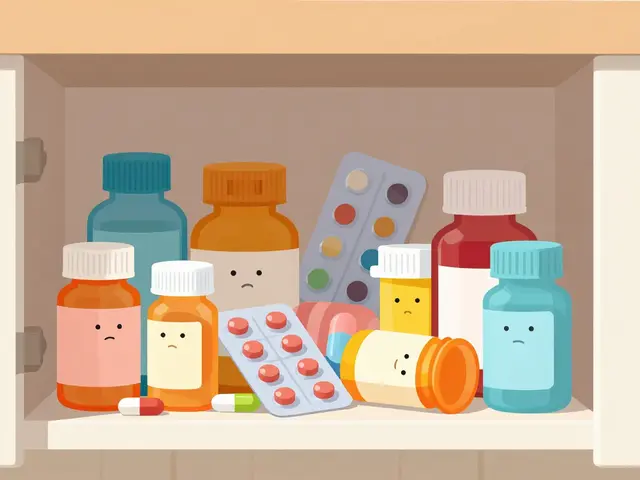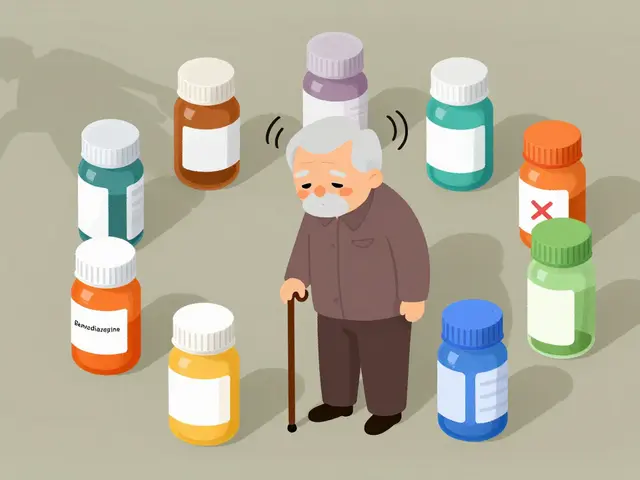
Imagine a kitchen cabinet overflowing with half-empty bottles. Some are for headaches, some for sleep, and others for blood pressure. Now imagine that person is your parent, and they take five, ten, or even fifteen of these pills every single day. This isn’t just clutter; it’s a medical reality known as polypharmacy, which is the regular concurrent use of five or more medications by a single patient. For older adults, this accumulation of prescriptions often leads to confusion, dangerous side effects, and hospital visits that could have been avoided.
We tend to think that more medicine equals better care. But in geriatrics, the opposite is often true. The goal isn't just to treat diseases; it's to keep people living well at home. When medication lists get too long, the risk of harm starts to outweigh the benefits. Let’s look at how to manage this complex issue without compromising safety.
What Exactly Is Polypharmacy?
In clinical terms, polypharmacy is defined as taking five or more medications regularly. It sounds like a simple number, but the impact is anything but simple. According to data from the Agency for Healthcare Research and Quality, inappropriate polypharmacy affects about 40% of older adults globally. That’s nearly two out of every five seniors walking around with a pill regimen that might be doing more harm than good.
The problem isn’t just the quantity. It’s the interaction. As we age, our bodies change. Liver metabolism slows down by 30-50% in people over 80, and kidney function drops by about 1% each year after age 40. This means drugs stay in the system longer and hit harder. A dose that was fine for a 60-year-old can become toxic for an 80-year-old. This physiological shift turns standard prescriptions into potential hazards if not carefully monitored.
| Metric | Data Point | Source Context |
|---|---|---|
| Prevalence in Women (US) | 44% | StatPearls (NCBI Bookshelf) |
| Prevalence in Men (US) | 24% | StatPearls (NCBI Bookshelf) |
| Hospital Admissions Linked | 10% of admissions over 65 | World Health Organization |
| Falls Caused by Meds | 35% of ED visits | Mayo Clinic Proceedings |
The Hidden Dangers: Why More Isn’t Better
Why do doctors prescribe so many meds? Often, it’s because specialists treat specific organs without seeing the whole picture. A cardiologist prescribes for the heart, a neurologist for the brain, and a primary care doctor for diabetes. No one stops to ask if all these pills work together. This fragmentation leads to what experts call "prescribing cascades." One drug causes a side effect, and another drug is prescribed to fix that side effect. Soon, you’re treating symptoms caused by medication rather than the original disease.
The consequences are serious. Falls are the biggest immediate threat. Medications like benzodiazepines increase fall risk by 50%. Non-steroidal anti-inflammatory drugs (NSAIDs) raise the risk of gastrointestinal bleeding by 2.5 times. Anticholinergic medications, commonly found in allergy and sleep aids, are linked to a 1.5-fold increased risk of dementia over seven years. These aren’t minor inconveniences; they are life-altering events.
Then there’s the mental toll. Confusion, delirium, and fatigue are common complaints. Many seniors skip doses because the schedule is too complex or the cost is too high. AARP data shows 25% of seniors skip doses due to financial burden. When adherence drops, health outcomes plummet, leading to emergency room visits that cost the US healthcare system over $30 billion annually.

Identifying Risky Medications: The Beers Criteria
How do you know which pills are dangerous? The gold standard tool is the Beers Criteria, which is a list of potentially inappropriate medications for older adults developed by the American Geriatrics Society. Updated regularly, the latest version identifies 56 specific medications or classes that pose heightened risks for adults over 65.
Here are three major categories to watch out for:
- Benzodiazepines: Used for anxiety and sleep, these cause drowsiness and balance issues. They should generally be avoided in favor of non-drug therapies for insomnia.
- Anticholinergics: Found in many over-the-counter sleep aids and bladder control meds. They dry out secretions but also cloud thinking and memory.
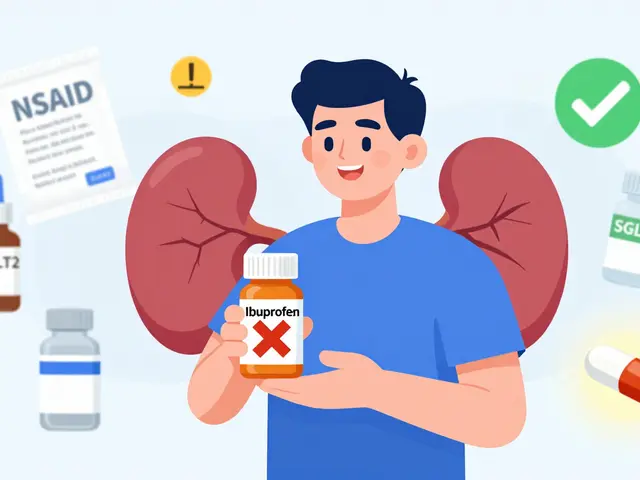
- NSAIDs: Ibuprofen and naproxen are common pain relievers, but they damage the stomach lining and kidneys in older adults. Acetaminophen is usually a safer alternative for mild pain.
Using the Beers Criteria helps clinicians spot red flags during reviews. It shifts the conversation from "what does this drug treat?" to "is this drug safe for this specific person?"
The Solution: Deprescribing
If polypharmacy is the problem, deprescribing is the systematic process of discontinuing medications when potential harms outweigh benefits. It’s not about stopping everything abruptly. It’s a careful, step-by-step reduction under medical supervision.
Research from Duke Health shows that appropriate deprescribing can reduce adverse drug events by 22% and hospital admissions by 17%. The key is prioritizing high-risk medications first. Opioids, benzodiazepines, and anticholinergics are usually the first candidates for review. The goal is to simplify the regimen while maintaining quality of life.
Deprescribing requires trust. Patients often fear that stopping a med will make their condition worse. Education is crucial. Doctors need to explain that removing a harmful drug can actually improve energy levels, clarity, and mobility. Family members play a vital role here, advocating for the patient’s goals rather than just following orders.
Practical Steps for Managing Medications
Managing multiple medications doesn’t have to be chaotic. Here are five evidence-based strategies to bring order to the chaos:
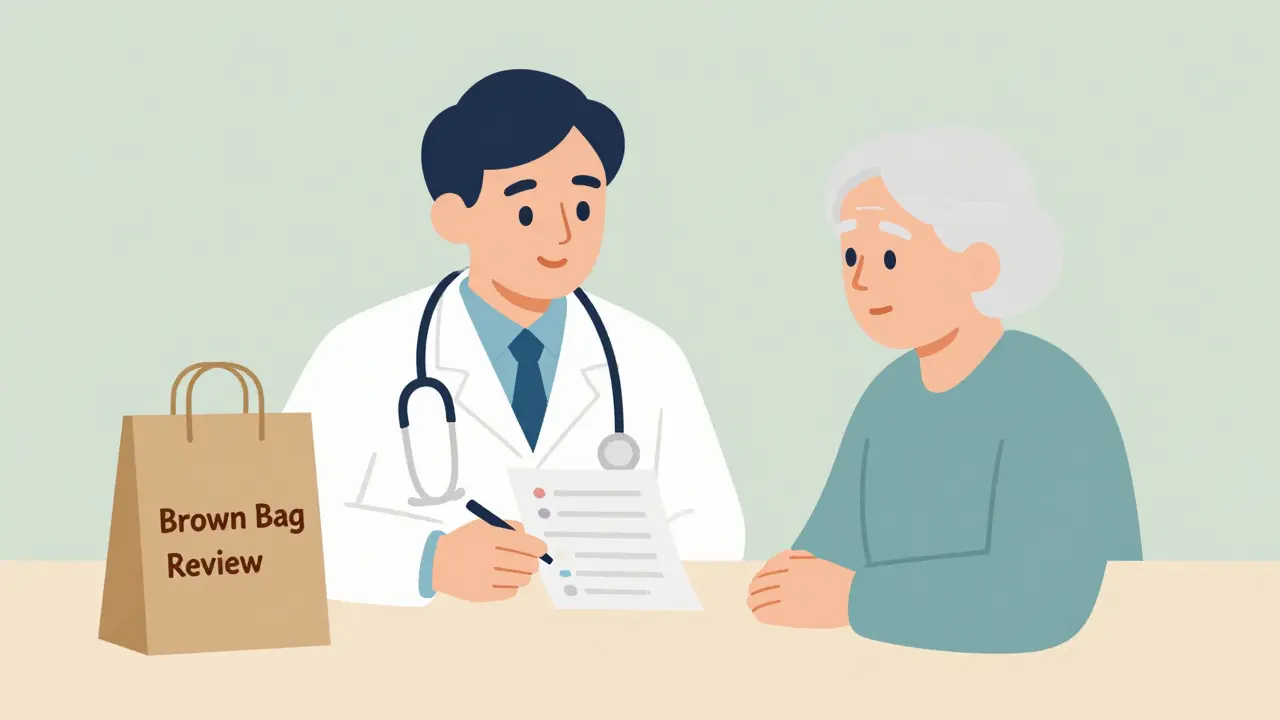
- The Brown Bag Review: Bring every single bottle-prescription, over-the-counter, vitamins, and supplements-to your next appointment. Pour them all into a brown bag. This simple act reveals duplicates and forgotten meds. Studies show this technique identifies an average of 2.8 unnecessary medications per patient.
- Regular Reconciliation: Check your meds at every care transition. Going to the hospital? Coming back home? See a new specialist? Update the list immediately. Medication reconciliation failures account for 50% of post-discharge complications.
- Use the STOPP/START Criteria: Ask your doctor to use these guidelines. STOPP (Screening Tool of Older Persons’ Prescriptions) identifies meds to stop. START (Screening Tool to Alert Doctors to Right Treatment) identifies treatments missing. This balanced approach ensures you’re neither over-medicated nor undertreated.
- Involve a Pharmacist: Pharmacists are medication experts. Medicare Part D covers comprehensive medication reviews. These sessions can save patients an average of $1,049 through deprescribing and identify interactions that doctors might miss.
- Set Clear Goals: Shift from disease-oriented treatment to quality-of-life priorities. If a medication only extends life by months but causes daily nausea, is it worth it? Define what "well" looks like for you.
The Role of Technology and Future Trends
Technology is starting to help bridge the gap between fragmented care systems. Electronic health records now include alerts for drug-drug interactions, though false alarms remain a challenge. Newer platforms like MedWise use pharmacogenomic data to predict how individual genes affect medication metabolism. Early trials show a 41% reduction in adverse events with these personalized approaches.
The Centers for Medicare & Medicaid Services launched the 'Deprescribing for Better Outcomes' initiative in 2023, funding health systems to develop standardized protocols. This signals a shift in policy: reducing unnecessary meds is now a recognized metric of quality care. Looking ahead, the focus is moving from chronological age to biological aging, tailoring doses based on actual organ function rather than just birth year.
Is taking 5 medications considered polypharmacy?
Yes. Clinically, polypharmacy is defined as the regular use of five or more medications. However, the concern arises when these medications are not optimized for the patient’s specific needs, leading to potential interactions or side effects.
What is the Beers Criteria used for?
The Beers Criteria is a guideline published by the American Geriatrics Society that lists medications considered potentially inappropriate for older adults. It helps doctors identify drugs that may cause more harm than benefit due to age-related changes in body chemistry.
Can I stop my medications suddenly?
Never stop medications abruptly without consulting your doctor. Sudden cessation can lead to withdrawal symptoms or rebound effects that are dangerous. Deprescribing must be done gradually under professional supervision.
How does aging affect how drugs work in the body?
As we age, liver metabolism slows by 30-50% and kidney clearance decreases by about 1% per year after age 40. This means drugs stay in the bloodstream longer, increasing the risk of toxicity and side effects even at standard doses.
What is a "Brown Bag Review"?
A Brown Bag Review is a practical strategy where patients bring all their medications, including over-the-counter drugs and supplements, in a bag to their doctor’s appointment. This allows for a comprehensive visual audit to identify duplicates, expired meds, or unnecessary prescriptions.
Are over-the-counter supplements included in polypharmacy counts?
Yes. Polypharmacy includes all substances taken regularly, including vitamins, herbal remedies, and OTC pain relievers. These can interact with prescription drugs and contribute to adverse effects, so they must be part of any medication review.