Alcohol Withdrawal: Symptoms, Risks, and What to Expect
When someone who drinks heavily every day suddenly stops, their body goes into alcohol withdrawal, a physical and psychological reaction that happens when the brain tries to adjust after years of alcohol suppressing its natural activity. Also known as alcohol detox, it’s not just feeling shaky or irritable—it’s a medical event that can turn life-threatening without proper care. This isn’t something you should try to power through alone. Your nervous system has adapted to alcohol being present, and when it’s removed, it overreacts—like a car engine revving too high after the gas pedal is yanked.
Common signs include sweating, nausea, anxiety, and trouble sleeping. But in severe cases, seizures, uncontrolled electrical bursts in the brain that can happen 6 to 48 hours after the last drink or delirium tremens, a state of extreme confusion, hallucinations, and rapid heartbeat that peaks around day 3 or 4 can occur. These aren’t rare—they happen in about 5% of people trying to quit without help. That’s why hospitals use benzodiazepines, medications that calm the nervous system and prevent dangerous complications during alcohol withdrawal as a standard tool. They don’t cure dependence, but they keep you alive while your body resets.
What most people don’t realize is that withdrawal isn’t just about the first few days. Even after the physical symptoms fade, your brain is still rewiring. Cravings, mood swings, and sleep problems can last weeks. That’s why long-term support—therapy, peer groups, or even medications like naltrexone—is just as important as the initial detox. The posts below cover exactly this: how withdrawal interacts with other drugs, what medications help manage symptoms, how to avoid relapse, and what to do if you’re helping someone through it. You’ll find real, practical advice—not theory, not guesses. Just what works when your body is trying to heal.
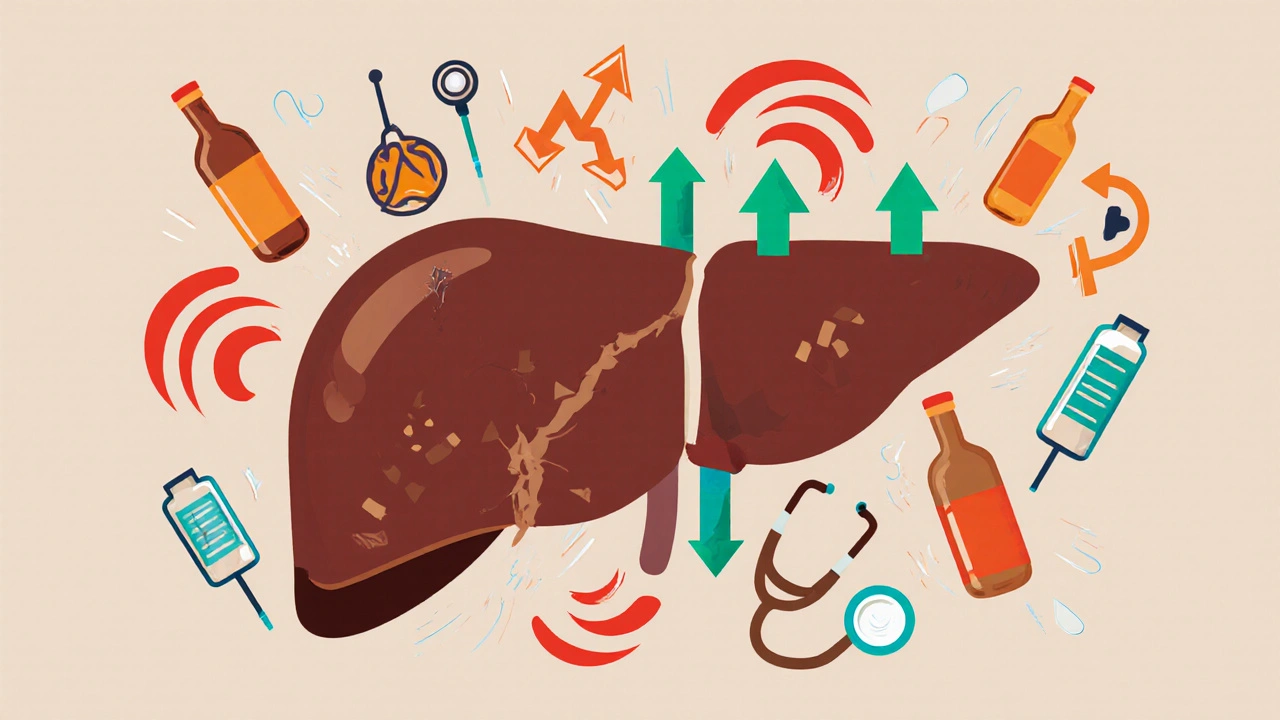
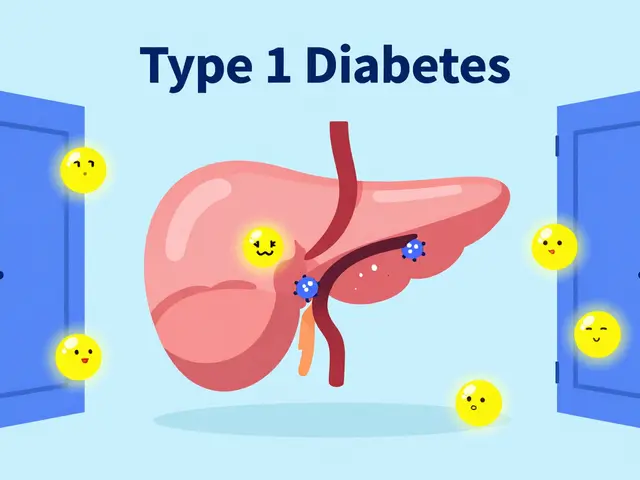
Alcohol Withdrawal and Liver Health: Safe Detox Strategies
Learn how to safely detox from alcohol while protecting your liver. Discover the risks of quitting alone, why paracetamol is dangerous after withdrawal, and how nutrition and medical care help your liver heal.