Glaucoma Medications: What You Need to Know
Glaucoma can sneak up on you and quietly affect your vision if left untreated. The good news? There are several medications designed to lower eye pressure and keep your eyesight safe. Knowing your options and how they work helps you take control of your eye health.
Most glaucoma meds come as eye drops, and they work by either reducing the fluid your eye produces or helping it drain better. The two main types you'll hear about are prostaglandin analogs and beta blockers. Prostaglandin analogs like latanoprost boost fluid drainage and usually need just one drop a day—making them a popular choice. Beta blockers, such as timolol, cut down fluid production and are often used twice daily.
How to Use Glaucoma Drops Effectively
Using your glaucoma medication correctly is vital. Remember to wash your hands first, tilt your head back, and squeeze one drop into the space between your lower eyelid and eye. Try not to blink or rub your eye right after. Waiting a few minutes before using another type of eye drop lets each one work properly. Plus, consistently applying your meds as prescribed keeps your eye pressure in check.
What Should You Expect and Watch For?
Glaucoma medications often come with some side effects, though not everyone experiences them. You might feel some eye redness, dryness, or mild irritation. If you notice blurry vision or a persistent burning sensation, talk to your doctor. Some drugs may affect heart rate or breathing, especially beta blockers, so sharing your full health history helps your doctor pick the safest treatment. Regular check-ups let your doctor see how well the meds are working and make adjustments as needed.
Managing glaucoma with medication is a team effort between you and your eye care provider. Staying informed, following treatment instructions, and keeping an eye on any changes in your vision helps protect your sight for the long run.
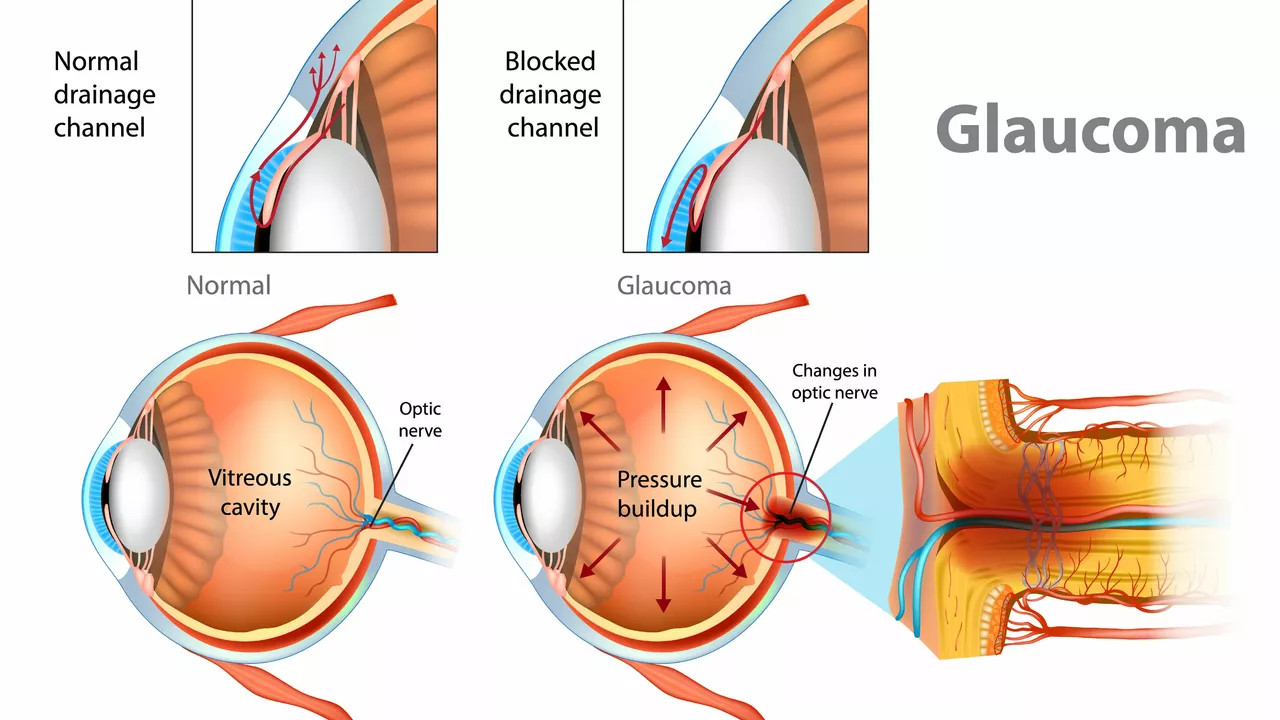
Acetazolamide vs. Other Glaucoma Medications: A Comparison
In my latest blog post, I've compared Acetazolamide with other glaucoma medications. I found that Acetazolamide, a carbonic anhydrase inhibitor, works differently by reducing the production of eye fluid to lower pressure. However, other drugs like prostaglandin analogs increase fluid outflow. Side effects also differ, with Acetazolamide causing frequent urination and tingling in fingers and toes, while others may cause eye color changes. The choice between Acetazolamide and other treatments really depends on individual patient needs and responses.