Understanding Urinary Incontinence and How to Manage It
Urinary incontinence means accidentally leaking urine. It's more common than you might think—millions deal with some loss of bladder control at some point. It can happen to both men and women, and it doesn't have to ruin your day or confidence. Getting a grip on what causes it and how to handle it is key to living comfortably.
What Causes Urinary Incontinence?
There are several reasons why urine leakage happens. Sometimes, it’s about weak pelvic muscles that fail to hold urine properly. Other times, overactive bladder muscles cause urgent needs to pee. Things like pregnancy, aging, prostate issues in men, urinary tract infections, or certain medications can trigger or worsen the problem. Knowing the cause can guide the best treatment route.
Types of Urinary Incontinence You Should Know
There are a few main types to watch out for: stress incontinence, which leaks urine when you cough, laugh, or lift something heavy; urge incontinence, where you get a sudden, unstoppable need to pee; overflow incontinence, happening when your bladder doesn’t empty completely and dribbles afterward; and functional incontinence, often due to physical or mental barriers to reaching the bathroom on time. Each one tells a different story and may need different care.
Managing urinary incontinence involves a mix of lifestyle changes, exercises, and sometimes medication or medical devices. Simple steps like limiting caffeine, quitting smoking, and keeping a healthy weight can reduce symptoms. Pelvic floor exercises strengthen muscles to improve control. If these don’t help, doctors have medicines or therapies that can make a big difference.
Don’t let embarrassment hold you back from seeking help. Urinary incontinence is a medical issue with practical solutions. Start by tracking your symptoms and talking openly with your healthcare provider. Together, you can find the approach that fits your needs and helps you regain control.
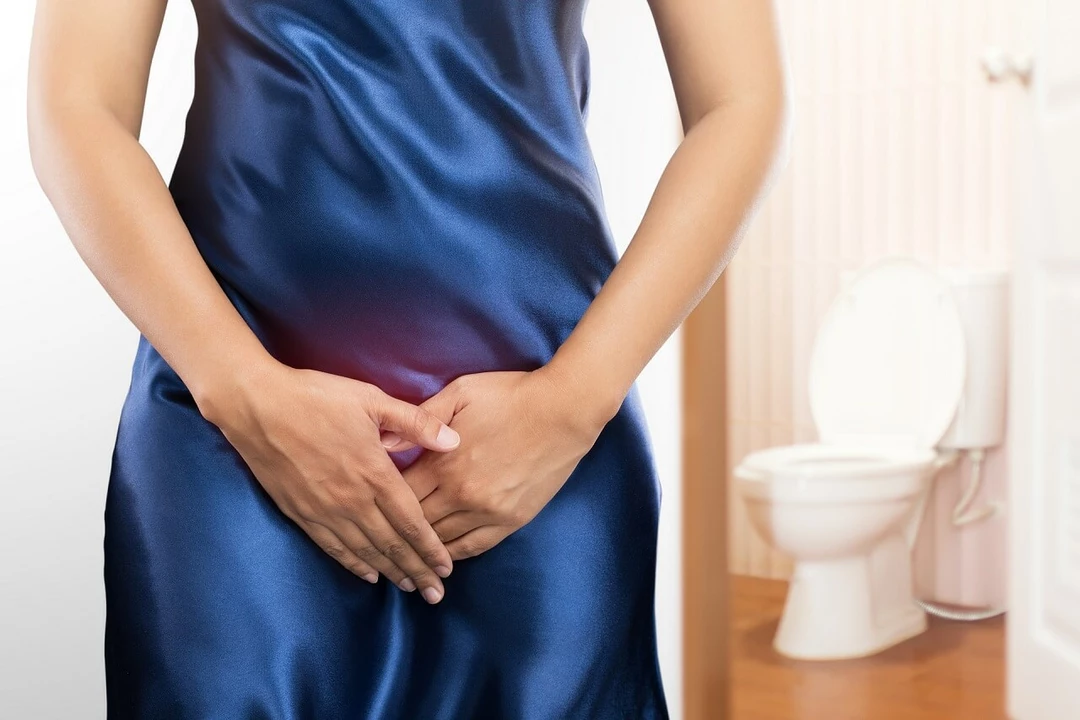
Menopause and Urinary Incontinence: Causes and Solutions
As a woman approaching menopause, I've been experiencing urinary incontinence and wanted to understand the causes and possible solutions. I discovered that the hormonal changes during menopause, especially the decrease in estrogen, can weaken the pelvic floor muscles and cause incontinence. To combat this issue, some helpful solutions include practicing pelvic floor exercises (Kegels), maintaining a healthy weight, and seeking medical advice for hormone replacement therapy. I've also found that limiting caffeine and alcohol can help with bladder control. By addressing these causes and following these solutions, I hope to regain my confidence and improve my quality of life.