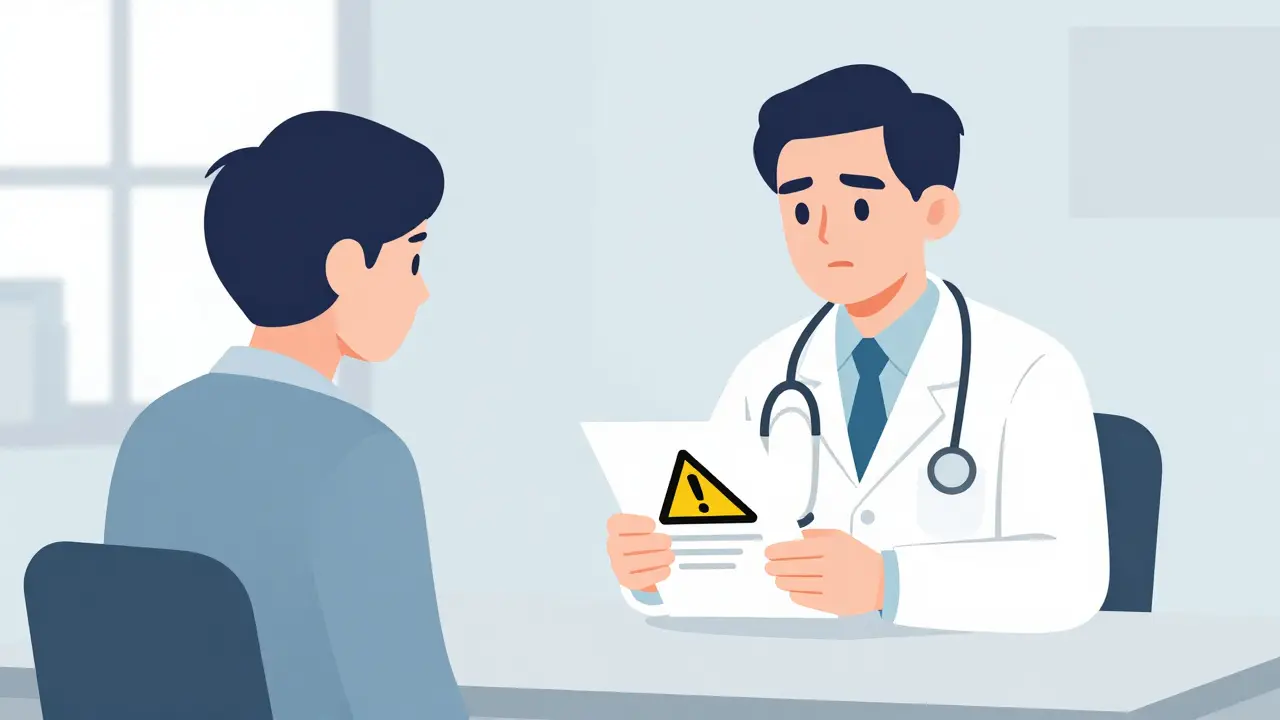
Imagine you are sitting in a doctor’s office with your teenager. They have been struggling with severe depression for months. The doctor suggests starting an antidepressant, but then hands you a pamphlet with a bold, black-bordered warning at the top. It says these drugs can increase the risk of suicidal thoughts. Your heart sinks. Do you give them the medication that might help their mood, or do you withhold it because you fear it could make things worse? This is the exact dilemma millions of parents face today.
The Black Box Warning is the strongest safety alert issued by the U.S. Food and Drug Administration (FDA) for prescription medications. When applied to antidepressants, it specifically addresses the potential link between these drugs and increased suicidality in young people. Issued initially in 2004 and expanded in 2007, this warning covers patients up to age 24. While intended to protect youth, recent data suggests the warning itself may have caused unintended harm by discouraging necessary treatment. Understanding the nuance behind this warning is critical for making informed decisions about mental health care.
Origins of the FDA Black Box Warning
To understand why this warning exists, we need to look back at the early 2000s. In October 2003, the U.S. Food and Drug Administration (FDA) released a health advisory after analyzing 24 short-term clinical trials involving over 4,400 children and adolescents. These trials tested various antidepressants for conditions like major depressive disorder (MDD) and obsessive-compulsive disorder (OCD).
The analysis revealed a statistically significant difference: 4% of patients taking antidepressants experienced suicidal thinking or behavior compared to 2% of those taking a placebo. Crucially, no actual suicides occurred in these controlled trials. However, the FDA decided that even the risk of increased suicidal ideation warranted the highest level of alert. By January 2005, this became a permanent black box warning. In May 2007, the agency expanded the warning to include young adults up to age 24, citing similar risks observed in that demographic.
The requirement mandates that drug manufacturers include specific language in bold type within a black border on all prescribing information. It also requires pharmacists to provide a Medication Guide to patients and families, ensuring they are aware of the potential risks before starting therapy.
The Unintended Consequences: A Surge in Untreated Depression
The goal of the warning was to encourage closer monitoring, not to stop prescriptions. However, the real-world impact tells a different story. Research published in Health Affairs in 2023 provides a stark picture of what happened after the warnings were implemented. The study, led by researchers from the Harvard Pilgrim Health Care Institute, analyzed data from 1.1 million adolescents across eleven major U.S. health plans.
Here is what the data shows:
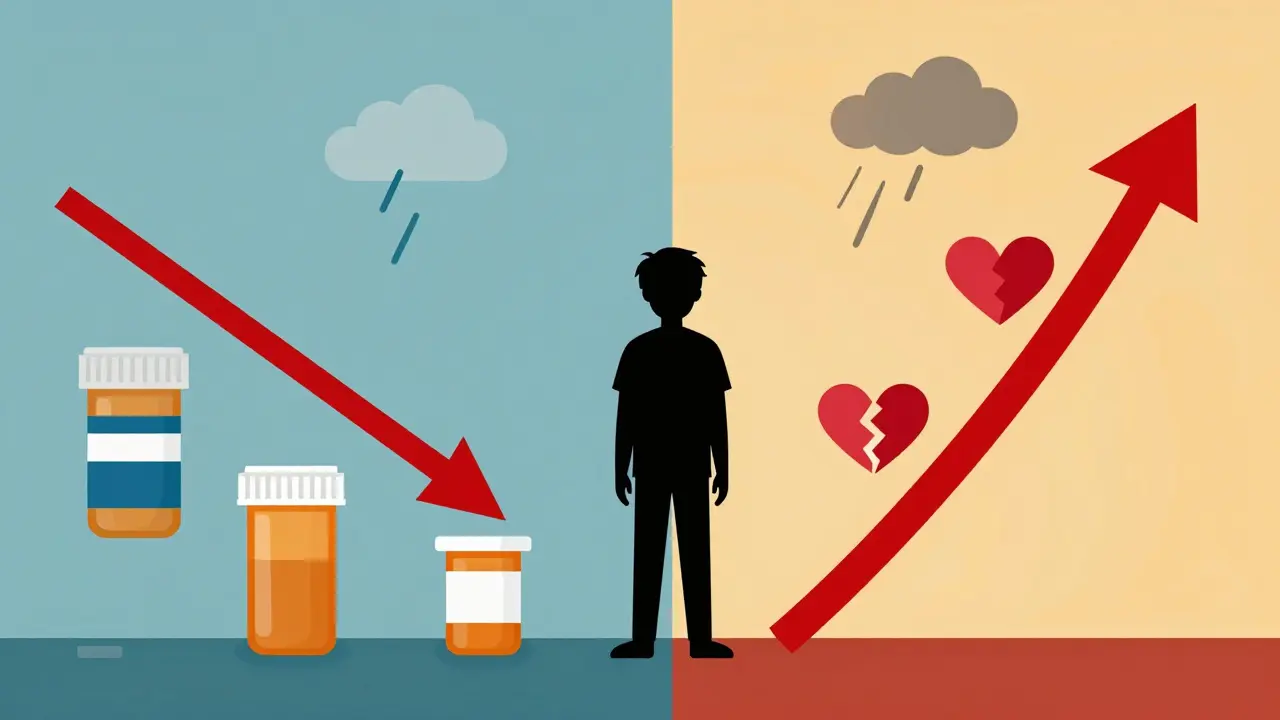
- Drop in Prescriptions: Antidepressant prescriptions for patients aged 10-19 decreased by 31% in the two years following the 2005 warning. This represented approximately 1.05 million fewer prescriptions annually.
- Rise in Poisonings: There was a 21.7% abrupt increase in psychotropic drug poisonings-a proxy for suicide attempts-among adolescents in the second year after the warning. For young adults affected by the 2007 expansion, this spillover effect resulted in a 33.7% increase.
- Suicide Rates: CDC WONDER mortality data documents a 75% increase in suicide rates among 10- to 19-year-olds, rising from 2.0 per 100,000 in 2003 to 3.5 per 100,000 in 2007.
Dr. Stephen Soumerai of Harvard Pilgrim stated that the consistency in observed harms indicates this is not a coincidence. The warning created a climate of fear where many physicians hesitated to prescribe, and many parents refused treatment, leaving vulnerable youth without effective care.
| Metric | Pre-Warning Trend (2003-2004) | Post-Warning Outcome (2005-2007) | Change |
|---|---|---|---|
| Antidepressant Prescriptions (Ages 10-19) | Stable/Increasing | Decreased significantly | -31.0% |
| Psychotropic Poisonings (Proxy for Attempts) | Baseline | Increased sharply | +21.7% (Adolescents) |
| Youth Suicide Rate (Per 100k) | 2.0 | 3.5 | +75.0% |
| Market Value of Pediatric Antidepressants | $1.27 Billion | $865 Million | -31.9% |
Clinical Challenges for Healthcare Providers
For doctors, the black box warning transformed a standard prescription into a complex negotiation. A 2019 survey by the American Academy of Child and Adolescent Psychiatry (AACAP) found that 87% of child psychiatrists reported increased difficulty prescribing antidepressants after the warning was issued.
The burden shifted heavily onto clinicians. They now had to spend significantly more time addressing parental fears. According to a 2018 study in Health Services Research, the average time spent discussing warning concerns per patient jumped from 8.2 minutes to 22.7 minutes. Documentation requirements also skyrocketed, with 94% of psychiatrists reporting mandatory additional consent forms specifically addressing the black box warning.
Furthermore, the warning implied a need for rigorous monitoring. Guidelines suggested weekly check-ins during the first month of treatment. However, a 2020 study in JAMA Network Open found that only 37.2% of youth patients received this recommended frequency of monitoring. Rural areas fared even worse, with compliance rates dropping to 22.4%. This gap between guideline and reality leaves many patients vulnerable during the most critical phase of treatment initiation.
What Parents and Patients Are Experiencing
Beyond the statistics, there is a human element. Online communities reveal deep confusion and anxiety. On Reddit’s r/mentalhealth, a thread discussing the FDA warning garnered hundreds of comments. While 68% expressed concern about medication safety, 32% shared positive experiences with antidepressants under proper supervision.
A survey by the National Alliance on Mental Illness (NAMI) highlighted this divide. Among 1,243 users on a depression support forum, 74% reported delaying or refusing treatment for their children due to the black box warning. Their primary fear? Making suicidal thoughts worse. Yet, among those who pursued treatment despite the warning, 67% reported positive outcomes. One parent noted, "The warning made us vigilant about monitoring, which probably helped catch early warning signs."
This highlights a crucial point: the warning does not mean "do not treat." It means "treat with caution and observation." However, the blunt nature of the black box format often obscures this nuance, leading to treatment avoidance.
Global Perspectives and Future Directions
The U.S. approach stands in contrast to international regulatory bodies. Health Canada maintains a similar warning but uses modified language that emphasizes the benefit-risk balance more clearly. The European Medicines Agency (EMA) has never implemented an equivalent black box warning. Researchers note that European countries did not experience the same post-warning spike in suicide rates documented in the United States, suggesting the warning itself may be a contributing factor to the negative outcomes seen in the U.S.
There is growing momentum for change. In June 2022, the American College of Neuropsychopharmacology called for a careful reassessment of the warning. The FDA held a public advisory committee meeting in September 2023 to review new evidence. Pharmaceutical companies like Eli Lilly (maker of Prozac) and Pfizer (maker of Zoloft) have petitioned for modified language.
The National Institute of Mental Health (NIMH) is currently developing more precise risk stratification tools. The goal is to replace the current blanket warning with targeted guidance that identifies which specific patients are at higher risk, allowing for safer, more personalized treatment plans. Preliminary results from this research are expected to refine our understanding of how to balance efficacy and safety in pediatric psychiatry.
Key Takeaways for Decision Makers
If you are considering antidepressant treatment for a young person, keep these points in mind:
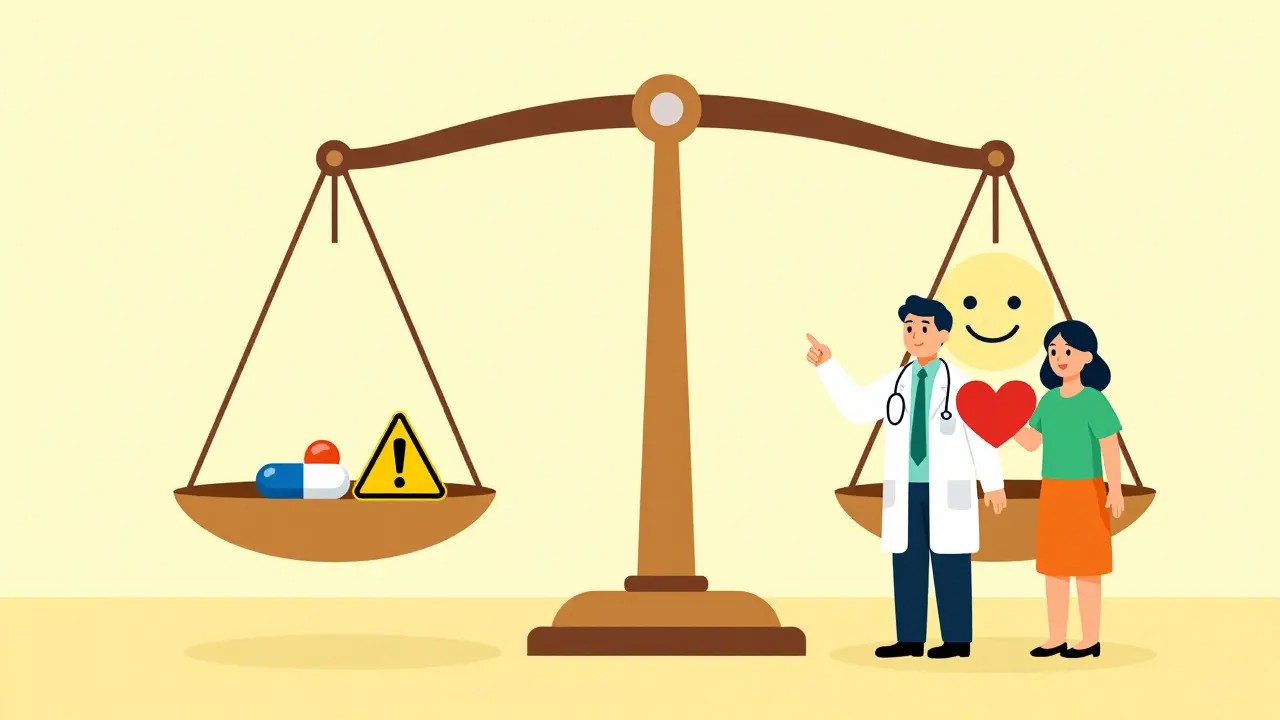
- Risk vs. Benefit: Untreated depression carries a high risk of suicide. The absolute increase in suicidal ideation with medication (2%) must be weighed against the known dangers of severe, untreated depression.
- Monitoring is Key: The warning emphasizes close observation. Ensure your care plan includes regular follow-ups, especially in the first few weeks of treatment.
- Communication: Discuss your concerns openly with the prescriber. Ask about the specific benefits of the chosen medication and the plan for managing side effects.
- Stay Informed: Regulatory landscapes are evolving. Be aware that new guidelines may offer more nuanced advice than the current black box warning implies.
What exactly is the FDA black box warning for antidepressants?
It is the strongest safety warning the FDA issues, stating that antidepressants may increase the risk of suicidal thinking and behavior (suicidality) in children, adolescents, and young adults up to age 24. It requires this information to be prominently displayed in bold text within a black border on all prescribing labels.
Did the black box warning reduce suicide rates in youth?
No. Data from the CDC and studies published in Health Affairs indicate that suicide rates among 10- to 19-year-olds increased by 75% between 2003 and 2007, coinciding with a 31% drop in antidepressant prescriptions. Researchers suggest the warning may have inadvertently increased harm by reducing access to effective treatment.
Are all antidepressants covered by this warning?
Yes. Although the initial analysis focused on nine specific drugs, including SSRIs like fluoxetine (Prozac) and sertraline (Zoloft), the FDA extended the black box warning to apply to all prescription antidepressants used in pediatric and young adult populations.
How does the FDA warning compare to regulations in other countries?
The U.S. has the strictest labeling. Health Canada has a similar warning but with language emphasizing benefit-risk balance. The European Medicines Agency (EMA) has never implemented an equivalent black box warning, and European countries did not see the same post-warning increase in youth suicides as the U.S.
What should parents do if their teen needs antidepressants?
Parents should discuss the risks and benefits openly with a psychiatrist. It is crucial to establish a robust monitoring plan, especially during the first month of treatment. Do not avoid treatment solely due to the warning; instead, use it as a prompt to ensure close clinical supervision and open communication with the healthcare provider.






Sonam Norbu June 19, 2026
The FDA is a bunch of bureaucrats who don't understand real life. They care more about liability than saving American lives. This warning has done more damage than the drugs themselves by scaring parents away from treatment. We need to stop listening to these globalist regulators and trust our doctors.
Amy Bogdahn June 20, 2026
You are so wrong. Parents have a right to know every possible risk. It’s not about liability, it’s about safety. You’re just defending big pharma because you think they’re infallible. Stop being so aggressive and listen to people who actually care about their kids.
Koushiki Behera June 22, 2026
It is fascinating how fear can distort reality 🧠✨ The data clearly shows that untreated depression is far deadlier than the statistical increase in ideation. Perhaps we should view this as a lesson in balance rather than blame? We must hold space for both caution and compassion 💖
KESHAV KUMAR June 22, 2026
Ah yes, the classic 'fear distorts reality' take. Very deep. Meanwhile, my cousin waited six months for an appointment because his doctor was too busy filling out consent forms mandated by this nonsense. Priorities people. 🙄
Alex Johnston June 23, 2026
They want you to believe it's just a 'warning' but look at the dates... 2004... 2007... Coincidence? I think not. The pharmaceutical industry lobbied hard to keep profits up while the government played nice with the public. Wake up sheeple! The black box is a tool of control to keep us dependent on their narrative. :)
Hafiz Omeiza June 25, 2026
Your conspiracy theories are as baseless as they are entertaining. The FDA acted on clinical trial data showing a statistically significant increase in suicidal ideation among adolescents. While the unintended consequences regarding prescription rates are unfortunate, dismissing the regulatory process as a mere tool of control ignores the complex ethical framework required in pediatric psychopharmacology. One must appreciate the nuance of evidence-based medicine rather than resorting to paranoid speculation.
Sam Dudgeon June 26, 2026
i mean honestly why are we even surprised? everyone knows the system is rigged against mental health patients. its always about the money or the power trip. nobody cares if your kid gets better they just want to check boxes. it makes me sick really how detached we all are from actual human suffering
Kimberly Maten-ao June 27, 2026
This is exactly why I asked my psychiatrist about the specific monitoring protocols before starting my son on medication. The warning isn't useless if it forces that conversation. Did anyone else find the part about rural compliance rates shocking?