
It’s 3 AM. The hospital hallway is quiet, save for the hum of equipment and the occasional beep from a monitor. You’ve been on your feet for ten hours, your eyes feel heavy, and that third cup of coffee isn’t doing much anymore. In this state, picking up a vial of medication feels like a routine task, but it’s actually one of the most dangerous moments in healthcare. Fatigue doesn’t just make you sleepy; it rewires how your brain processes information, turning simple checks into potential disasters.
Medication administration errors are not just bad luck-they are often the predictable result of biological limits being ignored. Research shows that during night shifts, the risk of safety incidents jumps by 30% compared to morning shifts. This isn't because night staff are less skilled; it's because our bodies are fighting against their natural circadian rhythms. Understanding this link between tiredness and error is the first step toward protecting yourself and your patients.
Why are medication errors more common at night?
Errors spike at night due to circadian rhythm disruption and sleep deprivation. A 2023 scoping review found that 82% of studies identified fatigue as a contributing factor in medication errors. When adults get less than five hours of sleep, cognitive skills like concentration and short-term memory drop by 25-30%, making critical checks harder to perform accurately.
The Biology of Night Shift Fatigue
To fix the problem, we have to understand what’s happening inside your head. Your body runs on a circadian clock that expects you to be awake during the day and asleep at night. When you work overnight, you are essentially forcing your brain to operate while its internal systems are shutting down. This isn’t a character flaw or a lack of discipline; it’s biology.
The American College of Obstetricians and Gynecologists (ACOG) notes that when adults sleep less than five hours, standardized testing scores for language, numeric skills, and retention drop significantly. More importantly, speed of performance suffers more than accuracy initially, which creates a false sense of security. You might feel like you’re still working fast, but your ability to catch subtle details-like checking a dosage label-is compromised.
Circadian Rhythm Disruption is the misalignment between your internal biological clock and external environmental cues, such as light and dark cycles. For night shift workers, this leads to chronic sleep debt. Even if you sleep eight hours during the day, the quality is often poor due to noise, light, and social obligations. Over time, this accumulates. One study showed that even a single night of complete sleep loss can take up to three days to fully recover from cognitively.This biological reality means that relying on willpower to stay alert is a losing strategy. Instead, you need systems that account for your reduced capacity. Acknowledging that your brain is physically less capable at 3 AM than at 10 AM allows you to build safeguards around that vulnerability.
High-Risk Medications That Worsen Fatigue
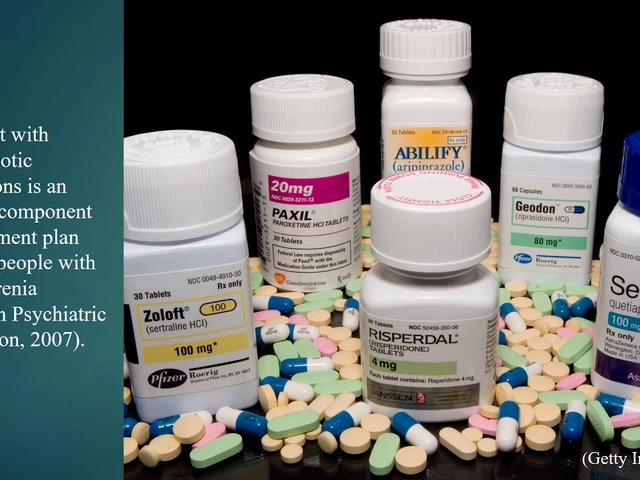
Not all medications affect everyone equally, but some classes are notorious for causing drowsiness that can linger into the next shift or impair your ability to function safely if taken before work. The National Institute for Occupational Safety and Health (NIOSH) highlights specific drugs that increase the risk of fatigue-related errors.
- Antihistamines: Older antihistamines like diphenhydramine cause drowsiness in 50-60% of users. If you take these for allergies or sleep, they can leave you groggy hours later.
- Sedative-Hypnotics: Drugs used for insomnia, such as zolpidem, can cause next-day impairment in 15-20% of users. This residual effect is dangerous if you drive to work or handle medications shortly after waking.
- Benzodiazepines: Tranquilizers like diazepam cause residual sedation in 30% of users. These drugs depress the central nervous system, slowing reaction times.
- Opioids: Narcotic pain medications like oxycodone cause sedation in 25% of users. Pain management is critical, but unmanaged side effects can cloud judgment.
- Antidepressants: Some antidepressants, such as trazodone, cause drowsiness in 40% of users. While helpful for mood, they can impact alertness.
If you are taking any of these medications, talk to your provider about timing adjustments or non-sedating alternatives. For example, switching from diphenhydramine to loratadine can eliminate daytime drowsiness without sacrificing allergy relief. Small changes in your personal medication regimen can have a massive impact on your professional safety.
Strategic Napping: Friend or Foe?
Napping during a night shift is a controversial topic. Some say it restores energy; others warn of "sleep inertia," that groggy feeling when you wake up too soon. The truth lies in the duration and timing of the nap.
Data from 12 clinical trials involving 850 healthcare providers offers clear guidance. Short naps, lasting 20 to 40 minutes, provide a significant boost in alertness-improving performance by 12-15%. These naps keep you in lighter stages of sleep, allowing you to wake up relatively quickly and return to work with renewed focus.
However, longer naps come with risks. A 90-minute nap shows only mild improvement (8%) in subsequent cognitive exams. Worse, if you nap long enough to enter deep sleep (slow-wave sleep), waking up triggers sleep inertia. During this period, which can last up to 30 minutes, your cognitive performance drops by 22%. Imagine trying to calculate a drug dose while your brain is still half-asleep. That’s a recipe for disaster.
The key is to set an alarm for 20-30 minutes. Use this window to recharge without diving into deep sleep. Pair this with a brief walk or exposure to bright light upon waking to shake off any remaining grogginess.
System Backups: Building a Safety Net
You cannot rely solely on your own vigilance. The best defense against fatigue-induced errors is a robust system of backups. A 2022 Johns Hopkins study found that using alarms and clinical reminders reduces error rates by 18%. These tools act as external brains, catching mistakes when your internal monitoring fails.
| Strategy | Effectiveness | Risks/Considerations |
|---|---|---|
| Short Naps (20-40 min) | 12-15% alertness increase | Avoid >40 mins to prevent sleep inertia |
| Clinical Reminders/Alarms | 18% error reduction | Alert fatigue if overused |
| Caffeine Consumption | Temporary alertness boost | Can disrupt subsequent sleep; tolerance builds |
| Double-Checks with Colleagues | Significant error prevention | Requires culture of open communication |
Implementing the "two-person rule" for high-risk medications is another powerful backup. Having a colleague verify the drug, dose, route, and patient identity adds a layer of scrutiny that compensates for individual lapses. This isn’t about mistrust; it’s about recognizing human limitations.
Technology also plays a role. Barcode scanning and electronic health record alerts can flag discrepancies before they reach the patient. Ensure these tools are always enabled and never bypassed, even when you’re rushing. Those few seconds saved are not worth the risk of a wrong-patient or wrong-drug error.
Communication Breakdowns Under Fatigue
Fatigue doesn’t just affect your hands; it affects your mouth. A 2018 ACOG study revealed a 33% decline in effective communication among fatigued physicians. When you’re tired, you’re less likely to ask clarifying questions, more likely to assume understanding, and less able to convey complex instructions clearly.
This breakdown is particularly dangerous during handoffs. Transitioning care from one shift to another requires precise information transfer. If you’re too exhausted to articulate critical details, or if your successor is too tired to listen actively, vital information gets lost. Standardized handoff protocols, like SBAR (Situation, Background, Assessment, Recommendation), help structure this communication, reducing reliance on memory and spontaneous speech.
Practice active listening. Repeat back orders and instructions to confirm understanding. Don’t be afraid to say, "I’m tired, let me double-check that." Vulnerability fosters safety. Creating a culture where admitting fatigue is seen as responsible, rather than weak, saves lives.
Long-Term Health Impacts of Night Work
The consequences of night shift work extend beyond immediate medication errors. Chronic disruption of sleep-wake cycles increases the risk of serious health conditions. The National Safety Council reports that night shift workers face a 40% higher risk of depression, a 28% higher incidence of diabetes, and a 22% increased risk of cardiovascular disease.
These health issues create a vicious cycle. Poor physical health leads to worse sleep quality, which exacerbates fatigue, increasing the likelihood of errors. Breaking this cycle requires holistic self-care. Prioritize sleep hygiene: keep your bedroom dark, cool, and quiet during the day. Use blackout curtains and white noise machines. Limit screen time before bed, as blue light suppresses melatonin production.
Regular exercise, balanced nutrition, and stress management techniques also support overall resilience. Remember, you can’t pour from an empty cup. Taking care of your long-term health is part of maintaining patient safety.
How many hours of sleep do healthcare workers need to avoid errors?
Adults generally need 7-9 hours of sleep per night. However, research shows that getting less than 5 hours significantly impairs cognitive function. Even with adequate total sleep, fragmented sleep due to night shifts can reduce effectiveness. Strategic naps and consistent sleep schedules help mitigate this deficit.
What is sleep inertia, and why is it dangerous?
Sleep inertia is the groggy, disoriented state experienced immediately after waking from deep sleep. It can last up to 30 minutes and causes a 22% decline in cognitive performance. Performing tasks like medication administration during this window increases the risk of errors. Avoid long naps (>40 mins) to minimize sleep inertia.
Can caffeine replace sleep for night shifts?
Caffeine provides a temporary boost in alertness but does not restore cognitive function or replace the restorative benefits of sleep. It can also interfere with sleep quality if consumed too close to your intended sleep time. Use caffeine strategically early in the shift, and avoid it within 6 hours of bedtime.
Which medications should I avoid before a night shift?
Avoid sedating antihistamines (e.g., diphenhydramine), benzodiazepines, opioids, and certain antidepressants (e.g., trazodone) before working. Consult your doctor about non-sedating alternatives or adjusting dosing times to minimize residual drowsiness during your shift.
How does fatigue affect communication in healthcare teams?
Fatigue reduces effective communication by 33%, leading to misunderstandings, missed details, and poor handoffs. Use structured protocols like SBAR, practice active listening, and encourage team members to verify critical information to compensate for reduced clarity.
Next Steps for Safer Night Shifts
Improving medication safety at night requires a multi-layered approach. Start by auditing your personal habits. Are you taking medications that worsen fatigue? Are you napping effectively? Then, look at your workplace systems. Are double-checks enforced? Are technology aids utilized?
Advocate for policies that support rest. Push for reasonable shift lengths, adequate break times, and access to quiet nap spaces. Organizations that prioritize clinician well-being see better patient outcomes and lower turnover rates.
Finally, foster a culture of openness. Talk about fatigue with your colleagues. Share strategies that work. Support each other through tough shifts. Safety is a team sport, and every member has a role to play in preventing errors. By acknowledging the power of fatigue and implementing practical solutions, you can protect yourself and those under your care.






Brian Irwin June 8, 2026
man this hits home hard i work nights too and its crazy how your brain just stops working after hour 12 the part about sleep inertia is so true i tried napping for an hour once and felt like a zombie for 45 mins afterwards now i stick to 20 min power naps max it saves me every time
Rosy Centire June 10, 2026
The article correctly identifies that biological limits are not character flaws, yet many institutions still treat fatigue as a moral failing rather than a systemic hazard. It is imperative that healthcare administrators implement mandatory rest periods and enforce the two-person rule without exception. Ignoring circadian biology is negligent practice.
Aswin Ashokan June 10, 2026
all this talk about safety nets but in reality we are understaffed and overworked so who cares if you make a mistake no one will notice until someone dies then they will blame you not the system typical western approach to blaming individuals instead of fixing the root cause which is greed
William Storm June 10, 2026
One must consider the philosophical implications of relying on external systems to compensate for internal human decay; is it not a surrender to mediocrity? The elite understand that discipline conquers biology, yet here we are coddling the weak with alarms and nap schedules. It is a tragedy of modern thought that we prioritize comfort over the rigorous self-mastery required for true excellence in any field.
Wendy Engelmann June 12, 2026
i find it interesting how we try to hack our bodies when really we should just accept that night shifts are unnatural for most people the data on long term health risks is scary but we keep doing it because thats just how the job is maybe we need to rethink how we staff hospitals entirely rather than just trying to patch up tired nurses with caffeine and short naps
Lisa Thomas June 13, 2026
oh my gosh yes!! i almost gave the wrong dose last week because i was so sleepy 😱 thank god my partner caught it before i pushed it in please everyone double check everything dont be afraid to ask for help it is literally life or death stuff here 💔
Samantha Arbuckle June 15, 2026
love this post 🌟 it is so important to look after yourselves guys remember you cannot pour from an empty cup ☕️ try those blackout curtains and white noise machines they really do help with the quality of sleep during the day let us support each other through these tough shifts 💪✨
Stephanie Francis June 15, 2026
It is absolutely unacceptable that we expect medical professionals to function at peak cognitive levels while their bodies are screaming for rest. This is a violation of basic human rights and professional ethics. We must demand better scheduling practices immediately.
Daniel Tremblay June 17, 2026
Oh, bravo. Another article telling us to nap and use alarms as if that fixes the fact that the entire healthcare system is built on exploitation. In Canada we have slightly better protections but even here it is a joke. You think a 20 minute nap fixes chronic burnout? Please. Wake up.
Henri-Paul Soulodre June 18, 2026
This is a moral catastrophe! How can we claim to care for patients when we allow our caregivers to be operated in a state of physiological compromise? It is evil. Pure evil. We are sacrificing our souls and our patients' lives on the altar of efficiency and profit. I am disgusted by the indifference shown by hospital administrators everywhere!
Mark Hogan June 18, 2026
hey good read tho i totally agree with the part about antihistamines i used to take benadryl before shift and man it wrecked me switched to claritin and feel way better also yeah the double check thing is key but only if ur coworker isnt asleep on the job lol
Hassan Bukhari June 19, 2026
look the average joe cant handle night shifts its simple biology but we pretend otherwise the elites who write these policies have never worked a 12 hour night shift they sit in offices and wonder why errors happen meanwhile we are out here dealing with the consequences of their laziness and ignorance
Alexandre Desbiens June 21, 2026
The statistical correlation between sleep deprivation and error rates is well documented, yet implementation of mitigation strategies remains inconsistent across institutions. It would be beneficial to see more standardized protocols for handoffs, such as SBAR, being strictly enforced rather than treated as optional guidelines. The data supports a structural change in approach.