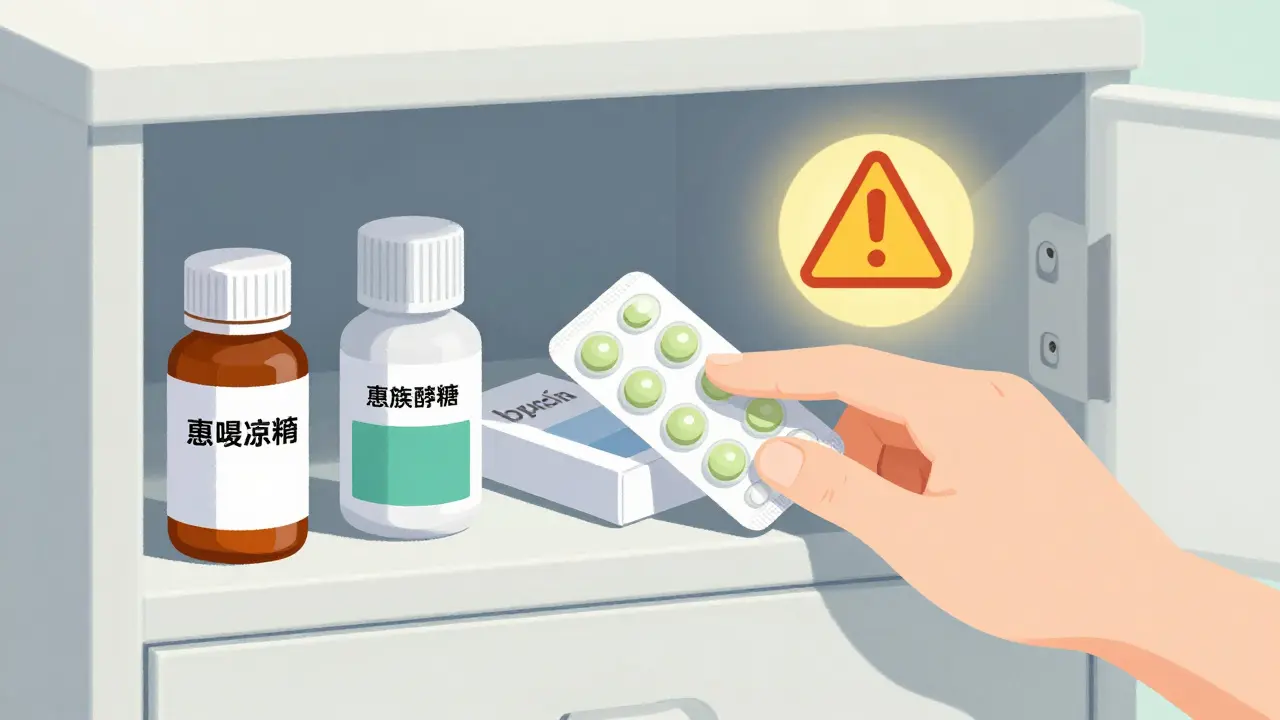
Every year, over 80% of American adults reach for an over-the-counter (OTC) medication before calling a doctor. Whether it’s a headache, a stuffy nose, or heartburn, these pills and liquids are right there on the shelf-no prescription needed. But just because you can buy them easily doesn’t mean they’re harmless. Many people think OTC means safe, no matter how much they take. That’s a dangerous myth. The truth is, OTC medications can cause serious harm if used wrong. This isn’t about scaring you. It’s about giving you real, clear facts so you can use them safely and effectively.
What Exactly Are OTC Medications?
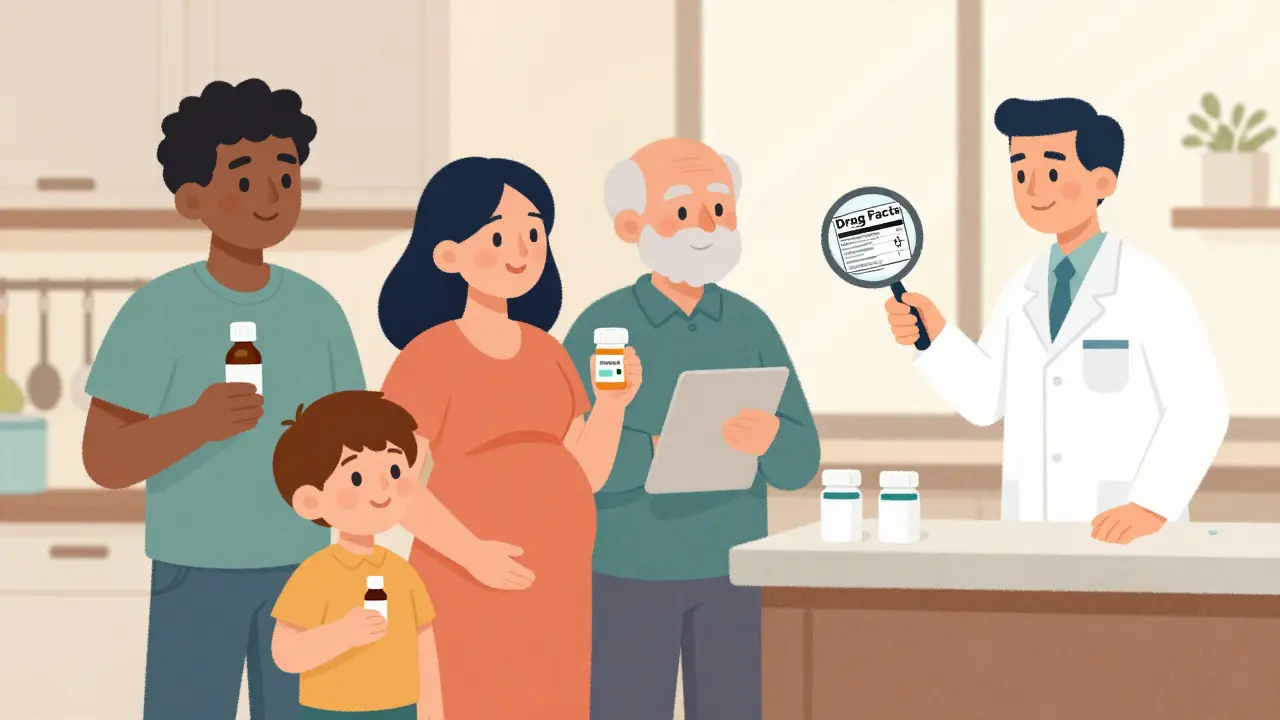
OTC medications are drugs approved by the FDA for use without a doctor’s prescription. They’re meant for short-term relief of common, self-diagnosable symptoms like pain, fever, allergies, coughs, and heartburn. The system started in the 1930s and has grown into a massive industry-over 100,000 different products in the U.S. alone. These aren’t just random supplements. They’re regulated medicines with specific active ingredients, exact dosing rules, and documented side effects. The FDA requires every OTC product to have a Drug Facts label. This label tells you exactly what’s in it, how much to take, what it’s for, and what could go wrong.
Top Categories and What’s in Them
Not all OTC meds are the same. They fall into clear groups based on what they treat. Here’s what you’re likely to find in your medicine cabinet and what each one really does.
Pain and Fever Relievers
Two main players here: acetaminophen (the active ingredient in Tylenol) and NSAIDs (like ibuprofen in Advil or naproxen in Aleve).
- Acetaminophen: Works well for pain and fever. Used by over 235 million Americans each year. Safe for kids and pregnant women. But take too much-over 4,000mg in 24 hours-and you risk serious liver damage. The FDA estimates 15,000 to 18,000 cases of acute liver failure each year are linked to acetaminophen overdose. Many people don’t realize it’s in cold medicines too. Always check the label.
- Ibuprofen and Naproxen: These reduce inflammation, so they’re better for sprains, arthritis, or menstrual cramps. But they can irritate your stomach, increase bleeding risk, and hurt your kidneys if used long-term. Maximum daily dose for ibuprofen is 1,200mg for OTC use. Naproxen is stronger per pill-only 660mg per day. Don’t use either if you have ulcers or kidney disease.
Cold and Flu Remedies
These are often combo products, which makes them risky. Instead of one symptom, you get multiple drugs at once.
- Pseudoephedrine (Sudafed): A nasal decongestant. Works well, but it can raise blood pressure. Some states keep it behind the counter because it’s used to make meth.
- Dextromethorphan (Delsym): A cough suppressant. At normal doses, it’s fine. But teens are abusing it for its hallucinogenic effects-over 1.2 million ER visits a year are tied to OTC drug misuse, and this is a big part of that.
- Guaifenesin (Mucinex): An expectorant. Helps thin mucus so you can cough it out. Doesn’t stop coughing, but makes it less frustrating.
Allergy Medications
There’s a big difference between old-school and modern allergy pills.
- Diphenhydramine (Benadryl): A first-generation antihistamine. Great for itching or hives. But it makes you super drowsy. The FAA bans pilots from flying within 12 hours of taking it. For adults over 65, it raises fall risk by 30%. Don’t use it as a sleep aid.
- Loratadine (Claritin) and Fexofenadine (Allegra): Second-generation. Almost no drowsiness. Last 24 hours. Much safer for daily use. Ideal for seasonal allergies. Dose adjustments needed if you have kidney problems.
Heartburn and Digestion
Heartburn is common. But treating it the wrong way can cause long-term damage.
- Antacids (Tums, Rolaids): Calcium carbonate or magnesium hydroxide. Work fast. Good for occasional heartburn. Too much calcium can cause kidney stones.
- H2 Blockers (Pepcid AC): Reduce acid production. Last longer than antacids. Safe for occasional use.
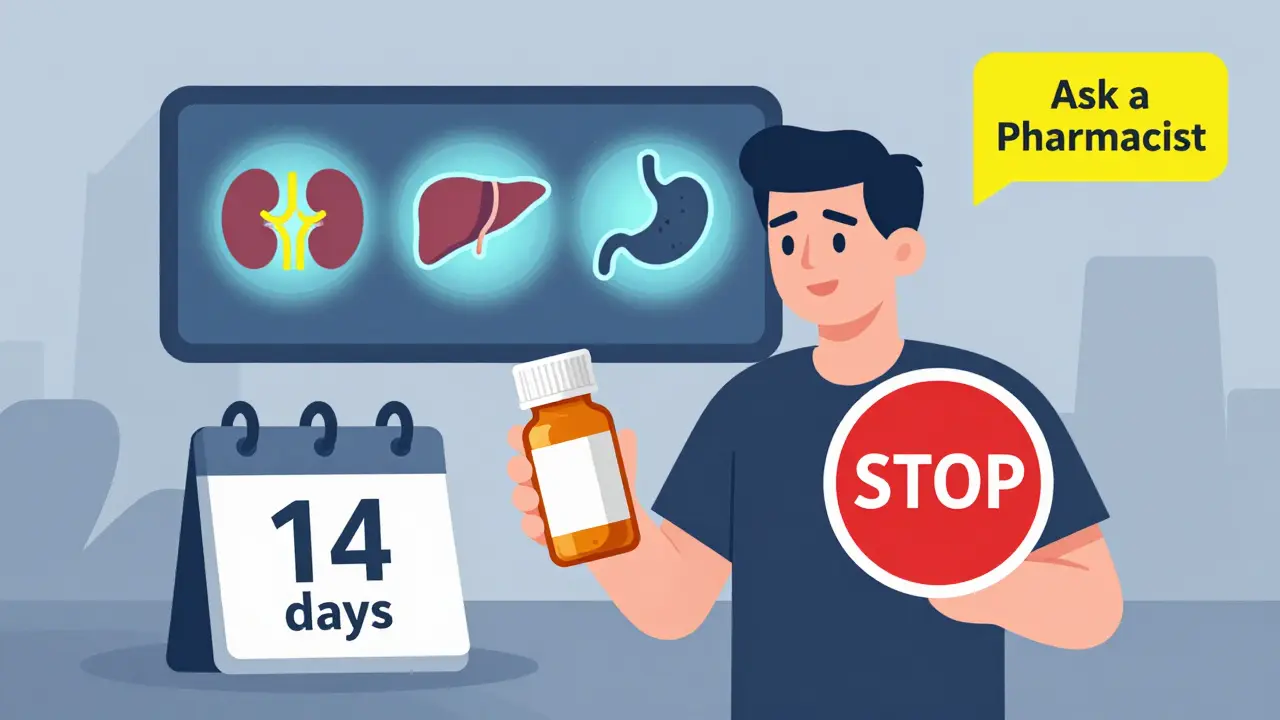
- PPIs (Prilosec OTC): Block acid more completely. But a 2023 JAMA study found long-term use (over 3 months) increases kidney disease risk by 20-50%. Only use for 14 days at a time unless your doctor says otherwise.
- Loperamide (Imodium): Stops diarrhea. But don’t use it if you have a fever or bloody stool-it could hide a serious infection. Avoid if you have kidney disease.
What You Must Know About Safety
OTC meds are powerful tools. But they’re not toys. Here’s what you need to avoid.
Don’t Double Up
More than half of all OTC overdoses happen because people take multiple products with the same ingredient. You take Tylenol for a headache. Then you take a cold medicine that also has acetaminophen. Suddenly, you’re at 3,000mg before lunch. That’s dangerous. Always read the Drug Facts label. Look for the active ingredient-not just the brand name.
Age Matters
The FDA banned cough and cold medicines for kids under 4 in 2008 after 115 deaths between 1969 and 2006. Even for older kids, liquid forms are safer and easier to dose correctly. For children, use weight-based dosing: 10-15mg per kg of body weight for acetaminophen. Never guess.
Pregnancy and OTCs
Acetaminophen is the only pain reliever recommended during pregnancy, according to ACOG. NSAIDs like ibuprofen can cause fetal kidney problems after 20 weeks. Avoid them completely in the third trimester. Antihistamines like diphenhydramine are okay short-term, but avoid long-term use. Always check with your OB-GYN before taking anything.
Chronic Use Is a Red Flag
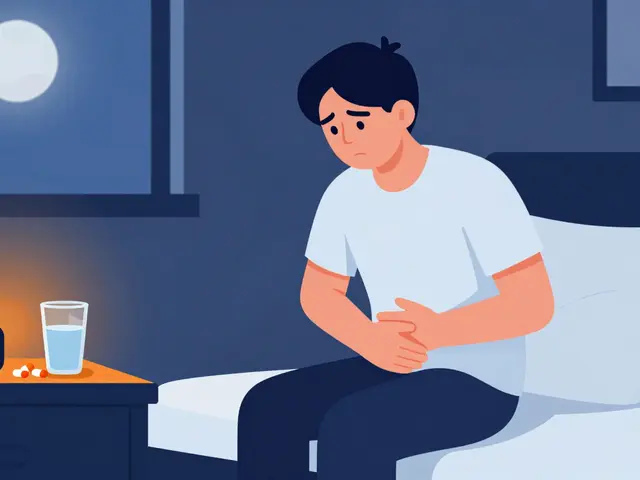
Using OTC meds for more than a few days in a row? That’s a sign you need to see a doctor. Taking PPIs for months? You could be damaging your kidneys. Using NSAIDs daily for back pain? You might be masking a serious injury. OTC meds are for short-term relief-not long-term solutions.
Storage, Expiration, and What to Keep
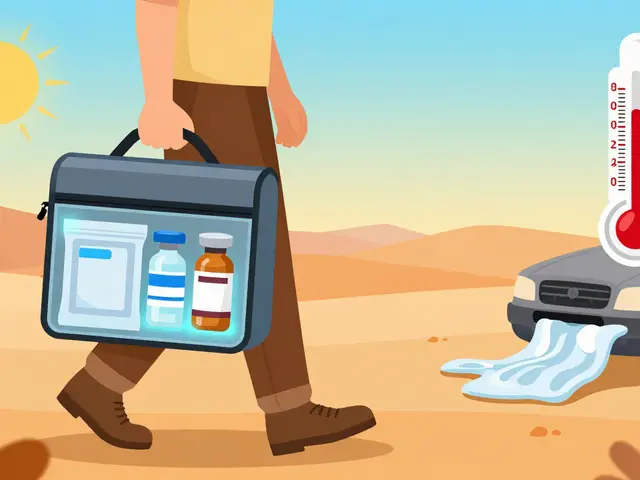
Store OTC meds in a cool, dry place. Most should be kept below 86°F (30°C). Bathrooms are too humid. Kitchens get too hot. A bedroom drawer is better.
Expiration dates matter. After the date, potency drops. Some meds, like liquid antibiotics or eye drops, can grow bacteria. Don’t use expired products.
Experts recommend keeping these basics in your home: acetaminophen, ibuprofen, loratadine, antacid, loperamide, and a basic first-aid ointment. Skip the 10-in-1 cold packs. They’re just a mix of drugs you don’t need.
When to Call a Pharmacist
Over 93% of Americans live within 5 miles of a pharmacy. Pharmacists are trained to help you with OTC meds. They can check for interactions with your prescription drugs. They can tell you if a product is safe for your condition. They can help you avoid double-dosing. Ask them. Don’t just grab the box and go.
What’s Changing Now
The FDA just approved fluticasone furoate (Veramyst) as the first nasal steroid available without age restrictions. CVS launched an AI tool called OTC Advisor that scans your meds and warns you about risks. Pharmacists in some states can now prescribe OTC meds for minor conditions. These changes mean better safety-but also more responsibility. You can’t just assume everything on the shelf is fine.
Final Rule: When in Doubt, Stop and Ask
If you’re unsure whether to take something, how much to take, or how long to take it-stop. Don’t guess. Don’t rely on internet advice. Talk to a pharmacist. Call your doctor. Use the Drug Facts label like a map. OTC medications save lives when used right. But they can also hurt you badly if you treat them like candy. You’re not just buying a pill. You’re choosing how your body reacts. Make that choice with clear facts, not convenience.
Can I take OTC pain relievers every day?
No. Daily use of NSAIDs like ibuprofen or naproxen increases risk of stomach bleeding, kidney damage, and high blood pressure. Acetaminophen daily use raises liver risk, especially if you drink alcohol. OTC pain relievers are meant for short-term relief-usually no more than 10 days. If you need pain relief daily, see a doctor. You may have an underlying condition.
Is it safe to take allergy medicine with a cold medicine?
Not always. Many cold medicines already contain antihistamines like diphenhydramine or chlorpheniramine. Taking an extra allergy pill could lead to double dosing. This can cause extreme drowsiness, confusion, or even heart rhythm problems. Always check the active ingredients. If both have the same one, skip one.
Why can’t I use ibuprofen during pregnancy?
After 20 weeks of pregnancy, ibuprofen and other NSAIDs can cause serious problems in the developing baby’s kidneys and reduce amniotic fluid. This can lead to long-term complications. Acetaminophen is the only recommended pain reliever during pregnancy. Always consult your OB-GYN before taking any medication while pregnant.
Do OTC meds expire? Can I still use them after the date?
Yes, they expire. Most last 2-3 years from manufacture. After that, they lose potency. Liquid forms, eye drops, and antibiotics can become unsafe. Expired pills won’t necessarily hurt you-but they might not work. Don’t risk it. Replace them. Store them properly to extend their life.
Is it okay to give children adult OTC medicine if I cut the dose?
No. Children’s bodies process drugs differently. Adult pills aren’t designed to be split safely. Dosing by weight is precise. A 40-pound child needs a different amount than a 70-pound teen. Use pediatric formulations with proper measuring tools. Never guess. If you don’t have the right product, call a pharmacist or doctor.
Can OTC meds interact with my prescription drugs?
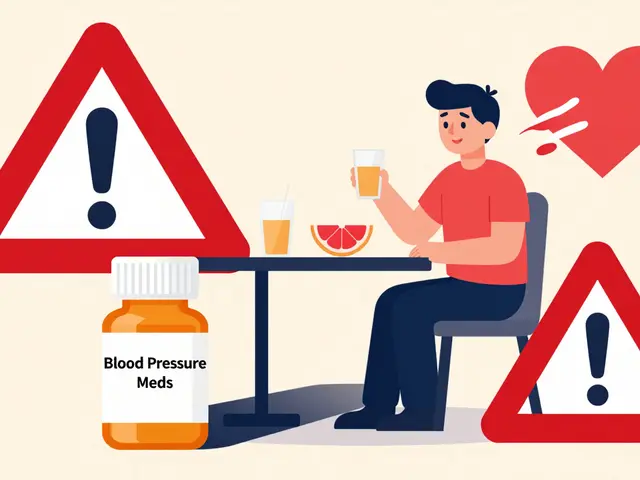
Yes, often. Ibuprofen can raise blood pressure and interfere with blood thinners. Antihistamines can worsen glaucoma or urinary retention. Acetaminophen can increase liver damage if taken with alcohol or certain antidepressants. Always tell your pharmacist about every prescription and supplement you take. They can spot hidden risks.
What’s the difference between generic and brand-name OTC meds?
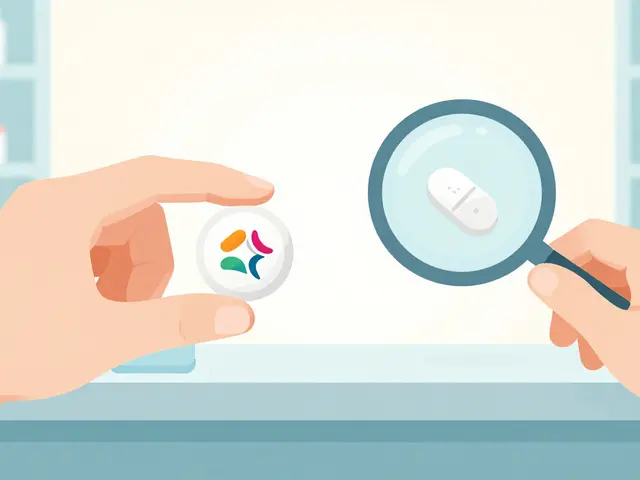
None in the active ingredient. Generic versions contain the exact same drug, at the same dose, in the same form. The only differences are inactive ingredients (like fillers or dyes) and price. Brand names cost more because of marketing. Save money-buy generic. Just make sure the active ingredient matches.
Why do some OTC meds need to be kept behind the counter?
Some ingredients, like pseudoephedrine, can be used to make illegal drugs. Others, like high-dose loperamide, can be abused. Keeping them behind the counter lets pharmacists monitor purchases, ask questions, and ensure safe use. You still get them-just with a little extra guidance.
Can I use OTC meds while flying or driving?
Some are fine. Second-generation antihistamines like loratadine or fexofenadine are safe for driving. First-generation ones like diphenhydramine or dimenhydrinate (Dramamine) cause drowsiness and are banned for pilots and commercial drivers. Always check the label. If it says "may cause drowsiness," don’t drive or fly. The FAA and DOT have strict rules for a reason.
What should I do if I think I took too much?
Call Poison Control at 1-800-222-1222 immediately. Don’t wait for symptoms. Overdoses can take hours to show up. Have the medication bottle ready. Tell them the name, how much you took, when, and your age or weight. Don’t try to induce vomiting unless instructed. Quick action saves lives.
OTC medications are part of everyday life. But they’re not harmless. They’re medicine. Treat them that way. Read the label. Know what’s in it. Don’t mix. Don’t overuse. And when in doubt-ask a pharmacist. Your body will thank you.



Randall Walker March 13, 2026
OTC meds are just candy to some folks. I saw a guy at the gas station buy three different cold pills and a bottle of ibuprofen. He didn't even check the labels. We're all just one accidental overdose away from becoming a cautionary tale.
Donnie DeMarco March 13, 2026
man i used to think tylenol was harmless til my buddy went to the er after taking "just one more" for his back pain. turns out he was also taking that "nighttime cold stuff" that had acetaminophen in it. total facepalm moment. now i just read the damn label like it's a contract. no more guessing.
LiV Beau March 13, 2026
I love how this article breaks it down so clearly! 🙌 I used to stack OTC meds like they were snacks-now I keep a little notepad next to my medicine cabinet. Active ingredient? Check. Dose? Check. Time since last dose? Double-check. It’s weird how small habits save lives. Also, I finally switched to generic loratadine and saved $12 a bottle. Win-win!
Chris Bird March 14, 2026
this is why america is falling apart. people take pills like they're cereal. no discipline. no self-control. just grab whatever's shiny and swallow it. we need to stop treating medicine like a vending machine.
Bridgette Pulliam March 15, 2026
I’ve been a pharmacist for 18 years. I’ve seen too many people come in with liver damage from acetaminophen because they didn’t know it was in their nighttime cold med. The Drug Facts label isn’t decoration. It’s your lifeline. Seriously-read it. Twice.
Adam Kleinberg March 16, 2026
you know who’s really behind this? the pharmaceutical industry. they want you dependent. they don’t want you to heal naturally. they want you buying pills forever. the FDA? just a puppet. and don’t even get me started on how they let dextromethorphan stay on shelves. it’s all a scam
Miranda Varn-Harper March 18, 2026
While I appreciate the effort to inform, I must point out that the assertion that OTC medications are "not harmless" is fundamentally misleading. All substances, including water and oxygen, can be harmful in excess. The real issue is not the medication, but the lack of personal responsibility and critical thinking in the population. This article indulges fear rather than empowering discernment.
Mike Winter March 19, 2026
It’s fascinating how we’ve turned medicine into a consumer good. The FDA’s Drug Facts label is one of the last remaining pieces of transparent information in a world full of marketing spin. But most people treat it like a cereal box-glance, grab, forget. The real tragedy isn’t the overdose. It’s that we’ve lost the habit of reading. We don’t ask "what’s in this?" anymore. We just assume it’s fine. That’s not ignorance. That’s cultural decay.
Denise Jordan March 20, 2026
i read this and thought "yawn". like, duh. of course you shouldn’t mix meds. who doesn’t know that? also, why are we still talking about this like it’s news? i’ve been taking ibuprofen since high school. still standing. chill out.
Alexander Erb March 21, 2026
just wanna say thank you for this. i had no idea that pseudoephedrine was behind the counter because of meth. i thought it was just "security". now i get it. also, my grandma started using Claritin instead of Benadryl and she hasn’t fallen once since. big win for her. 👏
David L. Thomas March 22, 2026
The systemic normalization of polypharmacy in OTC space is a perfect microcosm of our broader healthcare commodification crisis. When you commoditize symptom management without addressing root cause, you create dependency loops. The AI tools like OTC Advisor? That’s not innovation-it’s triage automation. We’re out-sourcing clinical judgment to algorithms because we’ve outsourced our own agency. The real risk isn’t the pill-it’s the surrender.
Shourya Tanay March 23, 2026
This is a well-structured overview. I particularly appreciate the emphasis on pharmacists as frontline clinicians. In India, we see similar issues with self-medication, especially with NSAIDs and antibiotics sold without prescription. The cultural perception that "if it's sold on the shelf, it's safe" is dangerously pervasive. Education must begin at the community level.
Tom Bolt March 24, 2026
I have a problem with the article’s tone. It’s patronizing. It assumes everyone is an idiot who doesn’t read labels. But I’ve read every single Drug Facts label for the past 12 years. I keep a spreadsheet. I track interactions. I call my pharmacist before I take anything new. So don’t speak to me like I’m a child. I’m not the problem. The system is.
Gene Forte March 25, 2026
We can do better. Every time someone reads a label, asks a pharmacist, or chooses a generic- they’re choosing health over convenience. It’s not about fear. It’s about respect. Respect for your body. Respect for science. Respect for the people who work hard to keep you safe. Small choices. Big impact. Keep learning. Keep asking. You’ve got this.