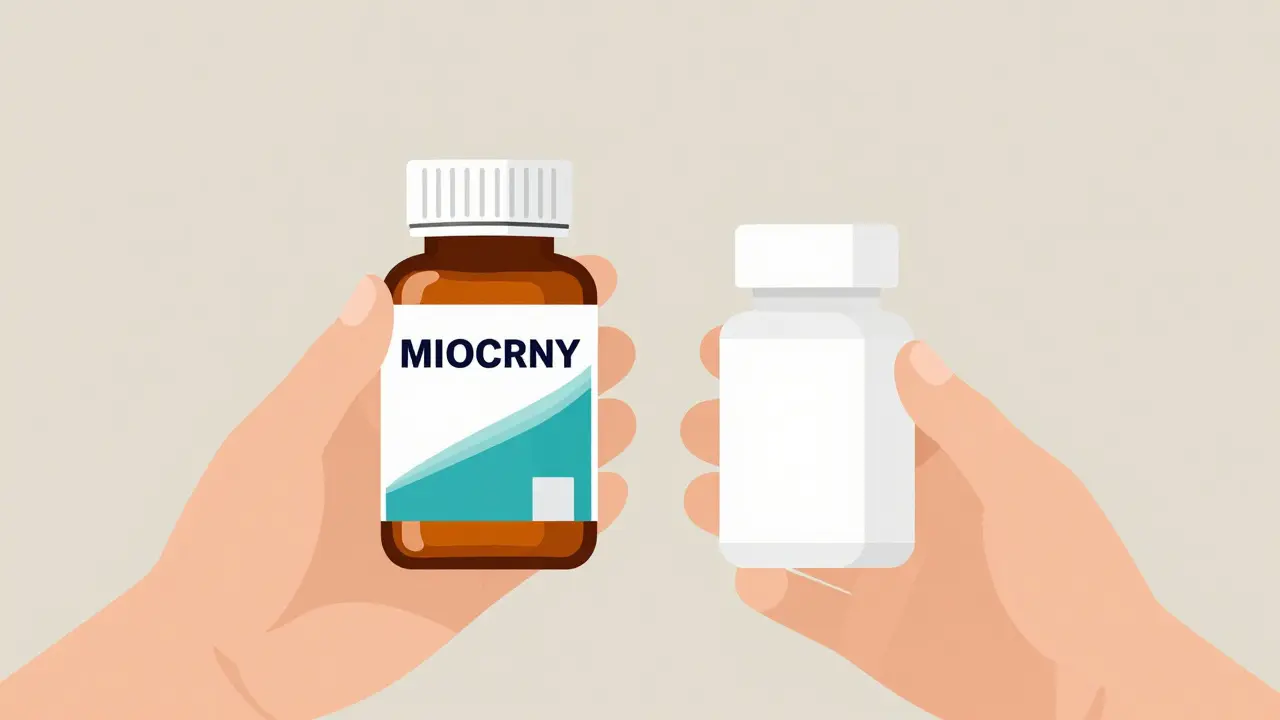
You pick up your prescription, and the pharmacist hands you a bottle that looks nothing like the one you expected. The name is different. The color is different. Maybe even the shape of the pill is different. It’s not the brand-name drug your doctor prescribed; it’s a generic medication, which is a pharmaceutical product containing the same active ingredients as a brand-name drug but sold at a significantly lower cost after patent expiration. Your first thought might be doubt: "Is this really going to work?" or worse, "Why are they giving me something cheaper when I’m already feeling unwell?"
These concerns are incredibly common. You aren’t alone in feeling skeptical. Many patients worry that generic drugs are less effective, contain inferior ingredients, or could cause unexpected side effects. But here is the reality: generics make up about 90% of all prescriptions filled in the United States. They save the healthcare system trillions of dollars annually. And most importantly, they are required by law to perform identically to their brand-name counterparts in your body.
The Science Behind Generic Equivalence
To understand why you can trust a generic, you have to look at how it gets approved. In 1984, the U.S. Congress passed the Hatch-Waxman Act, also known as Drug Price Competition and Patent Term Restoration Act. This legislation created a streamlined approval pathway for generic manufacturers called the Abbreviated New Drug Application (ANDA).
Unlike brand-name companies, which must spend billions on clinical trials to prove their new drug works for the first time, generic manufacturers don’t need to repeat those studies. Instead, they must prove bioequivalence, a scientific standard requiring demonstration that the generic drug's active ingredient absorption rate and extent fall within 80-125% of the brand-name drug's pharmacokinetic profile. This means the generic delivers the same amount of active medicine into your bloodstream, at the same speed, as the original brand.
The U.S. Food and Drug Administration (FDA), the federal agency responsible for protecting public health by ensuring the safety, efficacy, and security of human drugs, mandates that every generic meet identical standards for quality, strength, purity, and potency. If a generic didn’t meet these strict criteria, it simply wouldn’t get approved. The FDA approved 740 generic drugs in 2022 alone, subjecting each to rigorous testing before it ever reaches a pharmacy shelf.
Addressing the Myth of Inferior Quality
A major source of anxiety is the fear that generics are "cut corners." Some patients believe that because generics are cheaper, they must contain more fillers or synthetic substances that cause headaches or dizziness. A 2014 study published in the *Journal of General Internal Medicine* found that while 87% of patients considered generics effective, 16% still held skepticism about their therapeutic equivalence. Another concern, highlighted in rural health studies, is the belief that generics might be counterfeit or lack the active ingredient entirely.
Let’s clear this up: the active ingredient-the part of the drug that actually treats your condition-is exactly the same in both the brand and the generic. The differences lie only in the inactive ingredients, such as binders, colors, or flavors. These excipients hold the pill together or mask taste, but they do not affect how the drug works in your body. Think of it like two different brands of coffee. One might use a slightly different filter or packaging, but if the bean origin and roast are identical, the caffeine content and effect on your energy levels will be the same.
In fact, many generic drugs are manufactured by the very same companies that produce the brand-name versions. Once a brand’s patent expires, other manufacturers (including the original creator) can produce the generic version. This competition drives prices down without compromising the manufacturing facility or the quality control processes.

When Caution Is Warranted: Narrow Therapeutic Index Drugs
While generics are generally safe and effective, there is a specific category of medications where extra caution is advised. These are called Narrow Therapeutic Index (NTI) drugs, which are medications with a small margin between the dose that provides therapeutic benefit and the dose that causes toxicity.
For NTI drugs, even tiny variations in blood concentration can lead to serious issues. Examples include:
- Antiseizure medicines: Such as phenytoin or levetiracetam.
- Blood thinners: Such as warfarin.
- Thyroid medications: Such as levothyroxine.
If you take one of these medications, switching between brand and generic-or even between different generic manufacturers-might require closer monitoring. Your doctor may choose to specify "Dispense as Written" on your prescription to ensure consistency. This isn’t because the generic is unsafe; it’s because stability in dosage is critical for these specific conditions. For the vast majority of other medications, however, switching back and forth poses no significant risk.
The Financial Impact on Your Health
One of the most compelling reasons to embrace generics is cost. Brand-name drugs often carry high prices due to the research and development costs recouped during the patent period. Once that patent expires, generic competition kicks in. According to the Congressional Budget Office, generic competition reduces drug prices by 80-90% within the first six months of market entry.
Kaiser Permanente reports that generic drugs typically cost 80-85% less than their brand-name equivalents. Over the past decade, generic competition has saved the U.S. healthcare system approximately $2.2 trillion. That’s an average savings of $442 per prescription. For many patients, this difference determines whether they can afford to fill their prescription at all. Choosing a generic isn’t just about saving money; it’s about maintaining adherence to your treatment plan without financial strain.
| Feature | Brand-Name Drug | Generic Drug |
|---|---|---|
| Active Ingredient | Original formulation | Identical to brand |
| Cost | High (often 80-90% more) | Low (typically 80-85% less) |
| Appearance | Distinctive color/shape/markings | May differ (different colors/fillers) |
| Approval Process | Full clinical trials required | Bioequivalence testing (ANDA) |
| Efficacy & Safety | Proven through trials | Identical performance in body |

How Pharmacists and Doctors Help Bridge the Gap
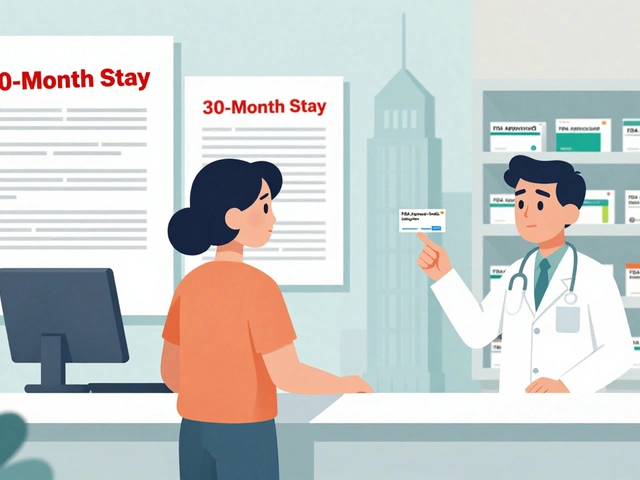
Your healthcare team plays a vital role in managing your transition to generics. Often, doctors write prescriptions for brand-name drugs because they are familiar with them, but they rarely specify that the brand *must* be used unless necessary. This allows pharmacists to substitute generics under state laws, a process known as automatic substitution.
Pharmacists are trained to address your concerns directly. If you feel your generic isn’t working, it’s crucial to distinguish between actual side effects and a lack of therapeutic effect. Sometimes, patients blame the generic for symptoms that were present before the switch or are unrelated to the medication. A pharmacist can help identify if you’re experiencing a true adverse reaction or if you simply need a different brand of the generic from another manufacturer.
If you have persistent concerns, talk to your doctor. They can monitor your response over a 30-day follow-up period, especially if you’re taking an NTI drug. Effective communication ensures you make informed decisions based on facts, not fears.
Overcoming Cultural and Social Skepticism
Skepticism about generics isn’t just individual; it can be cultural. Studies show that non-Caucasian patients and those in rural areas are often more likely to request brand-name drugs, influenced by family members or community anecdotes. One participant in a CDC study shared that a friend believed her generic was "not as good" because she experienced bad effects, leading her to reject generics entirely.
It’s important to recognize that anecdotal evidence doesn’t outweigh scientific data. When friends share negative experiences, ask questions. Was it truly the drug, or was it a coincidence? Did they take it correctly? By relying on verified medical consensus rather than hearsay, you protect your own health outcomes. Healthcare providers are increasingly aware of these disparities and are working to provide culturally competent education to build trust in generic therapies.
Are generic drugs really as safe as brand-name drugs?
Yes. The FDA requires generic drugs to meet the same strict standards for safety, purity, and potency as brand-name drugs. They must demonstrate bioequivalence, meaning they deliver the same amount of active ingredient into your bloodstream at the same rate. Millions of people take generics safely every day.
Why do generic pills look different from brand-name pills?
The active ingredient is identical, but inactive ingredients like fillers, binders, and dyes can vary. These differences affect the pill’s color, shape, or size but do not impact how the drug works in your body. Manufacturers use different inactive components to avoid trademark infringement and reduce costs.
Can my pharmacist substitute a generic for a brand-name drug?
In most cases, yes. Unless your doctor writes "Dispense as Written" or "Do Not Substitute," pharmacists are legally allowed and often encouraged to substitute generics. This practice helps lower costs for patients and insurers while maintaining equivalent therapeutic outcomes.
What are narrow therapeutic index (NTI) drugs?
NTI drugs are medications where a small change in blood concentration can lead to serious side effects or loss of efficacy. Examples include warfarin (blood thinner), levothyroxine (thyroid), and phenytoin (seizure). For these drugs, consistency in manufacturer is often recommended to avoid fluctuations in dosage levels.
Why are generic drugs so much cheaper?
Generic manufacturers don’t have to repeat expensive clinical trials because the drug’s safety and efficacy have already been proven by the brand-name company. They only need to prove bioequivalence. Additionally, multiple manufacturers compete to sell the same generic, driving prices down significantly compared to the monopoly pricing of brand-name drugs.
Should I stick with one generic manufacturer?
For most drugs, it doesn’t matter. However, if you notice side effects when switching manufacturers, tell your pharmacist. They may be able to stock a specific brand of generic for you. For NTI drugs, sticking to one manufacturer is often advisable to maintain consistent blood levels.






Elizabeth Holden May 2, 2026
look i dont get why people are so scared of generics lol its the same stuff just cheaper. you guys really think big pharma is gonna let a cheap pill kill you? no way. its all about the money. if it wasnt safe they wouldnt sell it. stop being dumb and save your cash.
Jenny X May 3, 2026
the bioequivalence standards are a sham designed to protect corporate profits while exposing consumers to unregulated excipients that may contain trace heavy metals or neurotoxins from third-world manufacturing plants. the FDA is complicit in this mass poisoning scheme, allowing 'generic' equivalents to bypass rigorous clinical trials under the guise of cost-saving measures. do not trust the system.
bharat films May 4, 2026
in india we use generics mostly because brand names are too expensive for average people 😅 but honestly sometimes i feel like the generic doesnt work as well as the original one 🤔 maybe its placebo effect? who knows 👀
Spencer Farrell May 5, 2026
It is imperative to consider the ontological implications of pharmaceutical equivalence. The notion that two distinct entities can be functionally identical yet materially different challenges our understanding of identity and substance. If the active ingredient remains constant, does the alteration of inert components truly alter the therapeutic essence, or is this merely a superficial distinction imposed by regulatory bodies seeking to commodify health? One must ponder whether the efficacy of a drug is intrinsic to its molecular structure or extrinsic to the context of its administration and perception by the patient.
princess lovearies May 6, 2026
i think its really important to listen to how people feel about their meds even if the science says its fine. everyone has different experiences and thats valid. maybe try talking to your pharmacist if you feel weird after switching. they can help you figure it out without judgment. lets support each other in finding what works best for us 💕
Jimmy Crocker May 7, 2026
its quite amusing how the masses fall for these marketing tricks thinking that just because something is cheaper it must be inferior or superior depending on your bias. the reality is that most generic manufacturers are actually subsidiaries of the original brand companies so they use the exact same facilities and quality control processes which makes the entire debate somewhat redundant unless you enjoy paying more for the privilege of having a specific color pill in your hand.
Joel Bonstell May 8, 2026
hey man i totally get where u comin from with the anxiety about switchin pills. i had the same thing happen with my blood pressure meds. turned out it was just the filler causing some tummy issues not the actual drug. talk to ur doc about narrow therapeutic index drugs cause those are the ones where u gotta be careful. otherwise most generics are super safe and save u tons of bucks 💰
Alexa Mack May 8, 2026
interesting perspective on the cultural aspects mentioned in the article. in some communities there is a deep distrust of anything labeled 'generic' due to historical medical exploitation. its not just about skepticism it is about reclaiming agency over ones body. however education can bridge this gap significantly. perhaps we need more community-led discussions rather than top-down medical advice to build genuine trust in these alternatives.