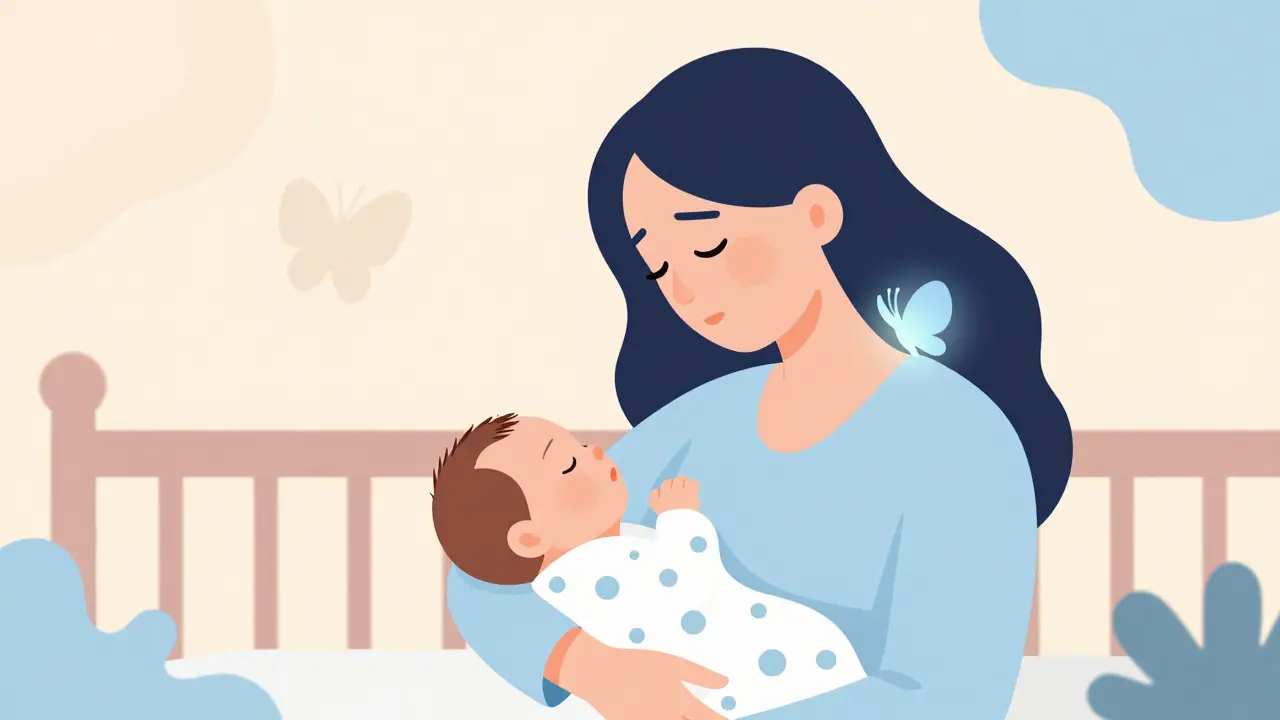
Is it just the sleepless nights with a newborn, or is something else draining your energy? For millions of women, the transition to motherhood brings physical changes that go beyond normal fatigue. One often-overlooked culprit is postpartum thyroiditis, an autoimmune inflammatory condition of the thyroid gland occurring within 12 months following childbirth. It affects approximately 5-10% of women after delivery, yet many suffer in silence, mistaking their symptoms for typical postpartum exhaustion or depression.
This condition isn't just 'baby blues.' It involves a specific attack on your thyroid gland by your own immune system, leading to hormonal chaos that can significantly impact your mood, weight, and overall health. Understanding what happens inside your body during this time is the first step toward getting the right help.
What Is Postpartum Thyroiditis?
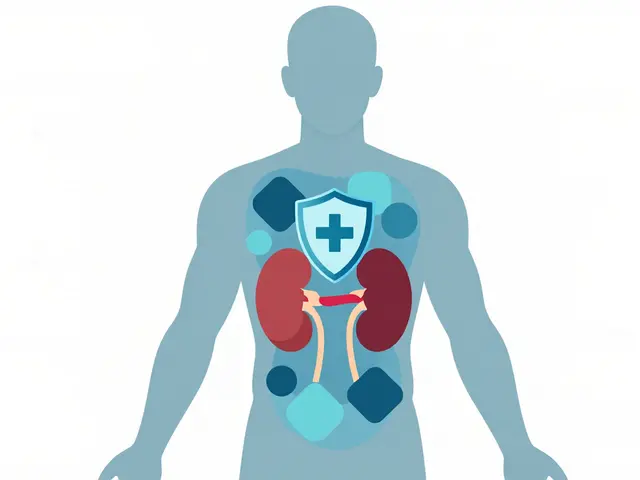
To understand postpartum thyroiditis, you first need to know how the thyroid works. The thyroid gland is a small butterfly-shaped organ in your neck that produces hormones regulating metabolism, energy, and mood. During pregnancy, your immune system suppresses itself slightly to protect the baby. After birth, the immune system rebounds aggressively-a process called immune reconstitution. In some women, this rebound causes the immune system to mistakenly attack the thyroid.
This attack triggers inflammation, damaging thyroid follicles. This damage causes stored thyroid hormones to leak into the bloodstream, creating a temporary state of overactivity (hyperthyroidism). Once those stores are depleted, the damaged gland struggles to produce new hormones, leading to underactivity (hypothyroidism). Unlike permanent conditions like Hashimoto's thyroiditis, postpartum thyroiditis is often temporary, but the journey through its phases can be grueling.
The Biphasic Pattern: Two Distinct Phases
Most women experience postpartum thyroiditis in two distinct stages. Recognizing these phases helps distinguish them from other postpartum issues.
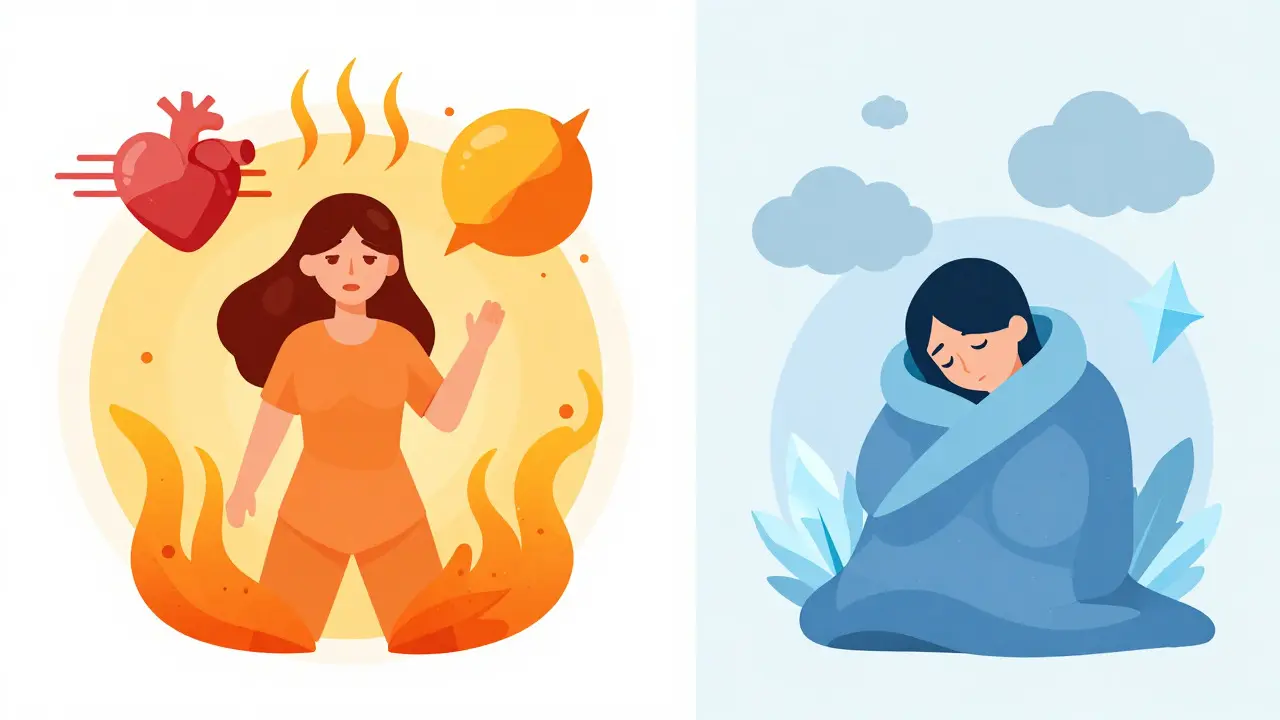
Phase 1: Hyperthyroidism (Overactive Thyroid)
This phase typically begins between 1 and 4 months after delivery. About 87% of cases manifest by the four-month mark. Your thyroid releases excess hormone due to inflammation, not because it is producing too much. Common symptoms include:
- Heat intolerance (reported in 68% of symptomatic women)
- Rapid heartbeat or palpitations (tachycardia)
- Tremors in the hands
- Insomnia, even when the baby sleeps
- Unintentional weight loss (averaging 4-7 pounds)
- Anxiety and irritability
Here is the tricky part: up to 50% of women have mild or no symptoms during this phase. Because anxiety and insomnia are common in new mothers, this stage is frequently missed or dismissed as stress.
Phase 2: Hypothyroidism (Underactive Thyroid)
Following the hyperthyroid phase, usually between 4 and 8 months postpartum, the thyroid becomes exhausted. Hormone levels drop, leading to hypothyroidism. This phase peaks around 6 months and can last up to 12 months. Symptoms are often more severe and debilitating:
- Profound fatigue (reported by 89% of affected women)
- Cold intolerance
- Weight gain (averaging 5-10 pounds)
- Dry skin and hair loss
- Constipation
- 'Brain fog' and difficulty concentrating
- Depressive symptoms
About 10-25% of women skip the hyperthyroid phase entirely and go straight into hypothyroidism. Another 5-10% only experience the initial hyperthyroid phase and never develop hypothyroidism.
Postpartum Thyroiditis vs. Postpartum Depression
One of the biggest challenges is distinguishing postpartum thyroiditis from postpartum depression. Both conditions share overlapping symptoms like fatigue, mood swings, and cognitive difficulties. However, they require different treatments.
Thyroid dysfunction tends to present with more prominent physical symptoms-such as heart rate changes, temperature sensitivity, and rapid weight fluctuations-whereas postpartum depression is primarily characterized by persistent sadness, hopelessness, and detachment. Misdiagnosis is common; studies suggest that about 30% of women with postpartum thyroiditis are initially misdiagnosed with depression. This leads to unnecessary psychiatric medication instead of appropriate thyroid management. If your mood symptoms are accompanied by significant physical changes, ask your doctor for thyroid testing.
| Feature | Postpartum Thyroiditis | Postpartum Depression |
|---|---|---|
| Primary Cause | Autoimmune thyroid inflammation | Hormonal shifts, psychological factors |
| Key Physical Symptoms | Heart palpitations, heat/cold intolerance, weight change | Fatigue, appetite changes (variable) |
| Mood Symptoms | Anxiety (hyperphase), Depression (hypo-phase) | Persistent sadness, hopelessness, guilt |
| Diagnostic Test | TSH, Free T4, TPO Antibodies | Clinical assessment, screening questionnaires |
| Treatment | Monitoring, beta-blockers, or levothyroxine | Therapy, antidepressants, support groups |
Risk Factors and Who Should Get Tested
Not every woman develops postpartum thyroiditis, but certain factors increase your risk significantly. Knowing your risk profile can help you advocate for earlier testing.
- Type 1 Diabetes: Women with type 1 diabetes have a 25-30% chance of developing postpartum thyroiditis.
- Previous Thyroid Issues: A history of thyroid disease increases recurrence rates to 40%.
- Positive TPO Antibodies: Having high levels of thyroid peroxidase antibodies (TPOAb) before or during pregnancy raises the risk to 70%.
- Family History: Autoimmune disorders in close relatives increase susceptibility.
- Previous Postpartum Thyroiditis: If you had it after one pregnancy, you are at high risk for subsequent pregnancies.
If you fall into any of these categories, consider asking your healthcare provider for TPO antibody testing around 10 weeks postpartum. Early detection can prevent severe symptoms later on.
Diagnosis and Testing Protocols
Diagnosing postpartum thyroiditis requires blood tests to measure thyroid function. The gold standard involves checking Thyroid-Stimulating Hormone (TSH) and Free Thyroxine (Free T4) levels.
During the hyperthyroid phase, you will see a suppressed TSH (<0.4 mIU/L) and elevated Free T4. During the hypothyroid phase, TSH rises (>4.5 mIU/L) while Free T4 drops. Additionally, testing for TPO antibodies confirms the autoimmune nature of the condition. These antibodies are present in 80-90% of cases.
Many experts recommend routine TSH screening at 6-12 weeks postpartum for high-risk women. While universal screening is still debated, symptom-guided testing is widely accepted. If you experience unexplained fatigue, mood changes, or heart palpitations beyond the first few weeks postpartum, insist on a thyroid panel.

Treatment and Management Options
Treatment depends on which phase you are in and how severe your symptoms are. The goal is to manage symptoms while waiting for the thyroid to heal itself.
Managing the Hyperthyroid Phase
Since the hyperthyroidism is caused by hormone leakage rather than overproduction, anti-thyroid medications like methimazole are generally not effective. Instead, doctors may prescribe beta-blockers (such as propranolol) to control heart rate and tremors if symptoms are severe. Mild cases may only require rest and reassurance.
Managing the Hypothyroid Phase
If your symptoms are significant, your doctor may prescribe levothyroxine, a synthetic thyroid hormone replacement. This medication is safe for breastfeeding and helps restore energy levels and mood. Treatment usually lasts 6-12 months, after which your doctor will monitor your thyroid function to see if you can taper off the medication.
Long-Term Outlook
The good news is that most women recover fully. Approximately 70-80% return to normal thyroid function within 12-18 months. However, 20-30% progress to permanent hypothyroidism, requiring lifelong levothyroxine therapy. Regular follow-up testing is crucial to catch this transition early.
Living with Postpartum Thyroiditis
Navigating postpartum thyroiditis while caring for a newborn is challenging. Here are practical tips to help you cope:
- Prioritize Rest: Sleep when you can. Your body needs energy to heal the thyroid inflammation.
- Eat Nutrient-Dense Foods: Focus on whole foods rich in selenium and zinc, which support thyroid health. Avoid excessive iodine intake unless advised by your doctor.
- Communicate with Your Partner: Share household duties. Let others know that your fatigue is medical, not laziness.
- Monitor Breastfeeding: Hypothyroidism can affect milk supply. If you notice a decrease, consult a lactation consultant and ensure your thyroid levels are optimized.
- Seek Support: Join online communities or local support groups. Connecting with other women who understand the struggle can reduce feelings of isolation.
Remember, this condition is temporary for most women. With proper diagnosis and management, you can navigate this period and regain your health.
How long does postpartum thyroiditis last?
For most women (70-80%), postpartum thyroiditis resolves within 12 to 18 months after delivery. The hyperthyroid phase lasts 1-3 months, followed by a hypothyroid phase that can persist for 9-12 months. However, 20-30% of women may develop permanent hypothyroidism requiring lifelong medication.
Can postpartum thyroiditis affect breastfeeding?
Yes, particularly during the hypothyroid phase, where low thyroid hormone levels can lead to decreased milk supply. Treatment with levothyroxine is safe for breastfeeding and can help improve milk production by restoring normal thyroid function.
What are the main symptoms of postpartum thyroiditis?
Symptoms vary by phase. The hyperthyroid phase includes anxiety, insomnia, heat intolerance, and rapid heartbeat. The hypothyroid phase features extreme fatigue, depression, cold intolerance, weight gain, dry skin, and hair loss. Some women may only experience one phase.
Is postpartum thyroiditis dangerous?
While rarely life-threatening, untreated severe hyperthyroidism can strain the heart, and severe hypothyroidism can lead to myxedema coma (very rare). More commonly, it impacts quality of life, mental health, and bonding with the baby due to fatigue and mood disturbances. Early diagnosis prevents complications.
Who is at highest risk for postpartum thyroiditis?
Women with type 1 diabetes, a history of thyroid disease, positive TPO antibodies, or a previous episode of postpartum thyroiditis are at highest risk. Family history of autoimmune disorders also increases susceptibility.