Scopolamine Sedation & Interaction Risk Checker
Select every substance that slows down your brain. Click to toggle.
Baseline only
Using the patch alone already causes drowsiness in about 45% of users. Add substances above to see your full picture.
Imagine you're on a rough ocean crossing or a long flight, and the nausea is unbearable. You reach for your Scopolamine patch, the gold standard for preventing motion sickness caused by conflicting signals between your inner ear and eyes. It works wonders for the queasy feeling, but then something unexpected happens: you feel groggy, confused, or dangerously drowsy. If you've also taken a sleeping pill, had a drink, or are using other sedating meds, you might be experiencing a dangerous interaction.
Sedative Interactions with scopolamine are a critical safety concern that many travelers overlook. Because scopolamine crosses the blood-brain barrier easily, it has inherent central nervous system effects. When combined with other CNS depressants like alcohol, benzodiazepines, or opioids, these effects can amplify significantly, leading to respiratory depression, severe disorientation, or delirium. Understanding how these drugs work together is essential for safe travel, especially for older adults or those with pre-existing health conditions.
How Scopolamine Works in Your Body
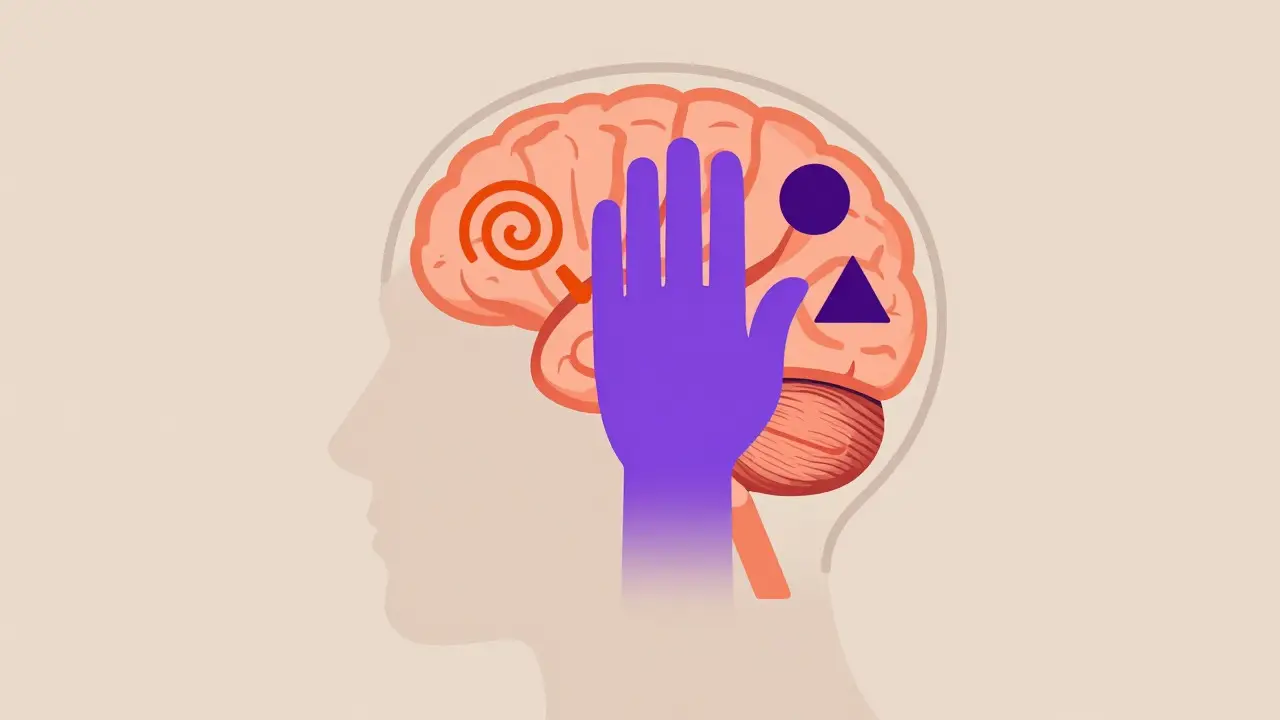
To understand the risks, you first need to know what scopolamine is actually doing inside you. Derived from plants like Jimsonweed and Henbane, this medication acts as an antimuscarinic agent. In simple terms, it blocks acetylcholine receptors in both your peripheral nerves and your brain. This blockade stops the signals that trigger nausea during motion, but it also slows down certain brain functions.
The most common form used for travel is the transdermal patch, often known by the brand name Transderm Scop, which delivers a steady dose of 1 mg over three days. Unlike oral pills that spike in concentration and then fade, the patch provides a constant level of the drug in your bloodstream. This consistency is great for preventing nausea on multi-day trips, but it means the sedative effect doesn't just "wear off" quickly if you decide to stop using it. The half-life of the drug is roughly 4 to 6 hours, but because the patch keeps releasing it, the cumulative effect on your alertness can last well into the second or third day.
The Danger of Mixing with Other Depressants
Here is where things get tricky. Scopolamine isn't just a stomach medicine; it's a mild sedative on its own. Studies show that about 45% of users experience drowsiness even without taking anything else. But when you add another substance that slows down the brain, the effects aren't just additive-they can be synergistic, meaning they boost each other's power.
Research from the Israel Institute for Biological Research highlighted that combining scopolamine with other CNS depressants increases the risk of respiratory depression by more than three times compared to using scopolamine alone. This is particularly alarming for elderly patients. The American Society of Anesthesiologists warns that in people over 65, mixing scopolamine with benzodiazepines (like Valium or Xanax) raises the incidence of delirium by 40%. Delirium isn't just feeling tired; it's a state of acute confusion where you might not recognize your surroundings or make sound decisions.
| Medication | Primary Use | Drowsiness Rate | Dry Mouth Rate | Duration of Action |
|---|---|---|---|---|
| Scopolamine Patch | Prevention (Long duration) | 45% | 67% | 72 hours |
| Dimenhydrinate (Dramamine) | Treatment & Prevention | 68% | 29% | 4-6 hours |
| Meclizine (Bonine) | Prevention (Short trips) | Moderate | Low | 24 hours |
Real-World Scenarios and User Experiences
It’s easy to read medical guidelines and think, "I'll just avoid alcohol." But real life is messier. On travel forums, a recurring theme emerges: the surprise factor. Many users report that while the patch stopped the nausea perfectly, it made them so sleepy they couldn't enjoy their vacation activities. One frequent cruiser noted that the patch "knocked me out completely" on the first night, forcing them to remove it and switch to oral Dramamine, which was less effective for nausea but kept them alert.
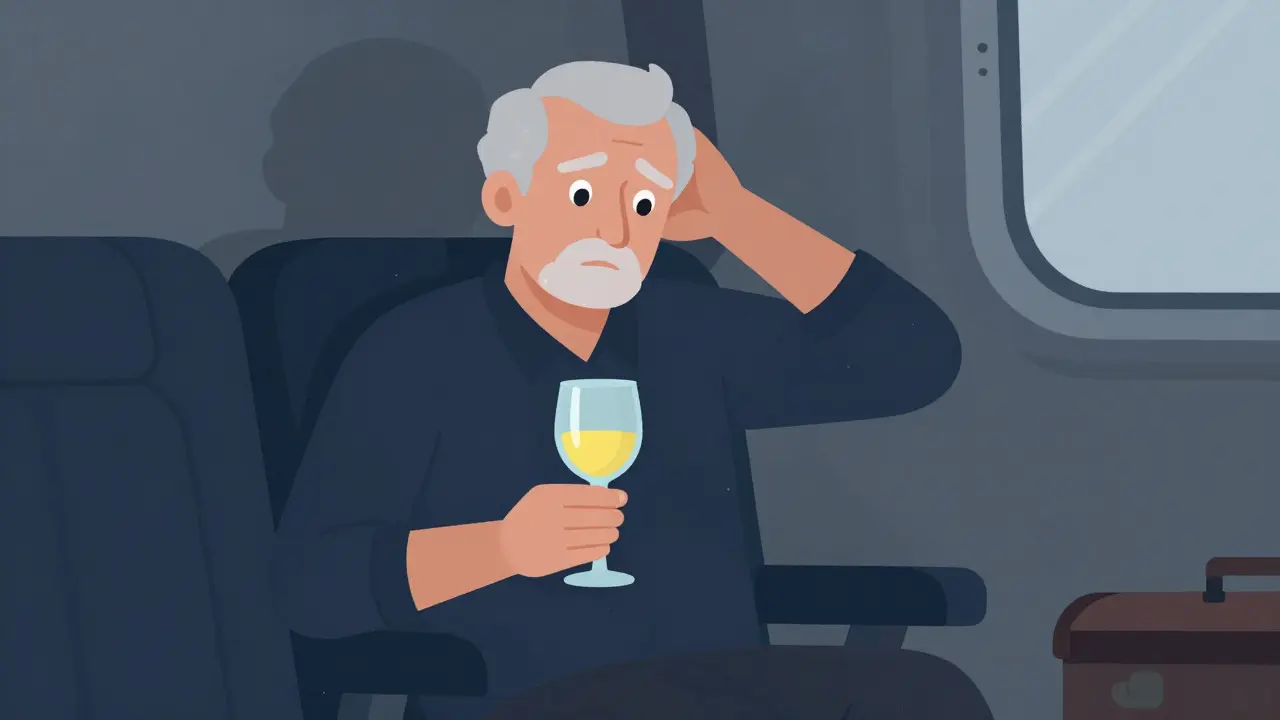
A more serious scenario involves alcohol. A marine researcher shared a cautionary tale about colleagues who became severely disoriented after drinking just one beer while wearing the patch. This isn't anecdotal fluff; 41% of negative reviews for scopolamine mention unexpected intoxication effects. The body processes alcohol differently when acetylcholine pathways are blocked, leading to a faster onset of impairment. If you plan to have a glass of wine on a cruise ship, know that your tolerance is effectively lowered while the patch is active.
Managing Risk: Practical Strategies
If you must use scopolamine, you don't have to gamble with your safety. Here are practical ways to manage the interaction risks:
- Time Your Application: Apply the patch at least four hours before travel. Ideally, apply it the night before so you sleep through the peak initial sedation. This aligns with recommendations from the American Academy of Neurology.
- Monitor Your First Day: Most adverse events happen during the first 24 hours. Avoid driving, operating heavy machinery, or signing important documents until you know how your body reacts.
- Be Cautious with Alcohol: If you drink, limit yourself to one standard drink and stay hydrated. Avoid binge drinking entirely, as the interaction risk spikes dramatically.
- Check Other Meds: Tell your pharmacist about every medication you take, including over-the-counter sleep aids, antihistamines, and even CBD products. Recent data suggests CBD may potentiate scopolamine's sedative effects by up to 35% by inhibiting the CYP3A4 enzyme responsible for breaking down the drug.
- Consider Lower Doses: For those sensitive to sedation, ask your doctor about the newer lower-dose patches (0.5 mg) approved by the FDA in 2024, which aim to reduce side effects while maintaining efficacy.
Who Should Avoid Scopolamine?
Not everyone is a candidate for this medication. If you have glaucoma, myasthenia gravis, or obstructive gastrointestinal diseases, scopolamine is generally contraindicated. For older adults, the risk of cognitive decline and delirium makes it a less attractive option compared to non-sedating alternatives like ginger supplements or behavioral techniques. If you require high alertness for your job or hobby-such as piloting a boat or hiking in remote areas-the sedative nature of scopolamine might do more harm than good.
Remember, the goal of motion sickness medication is comfort, not incapacitation. If the cure makes you too dizzy to enjoy the view, it's not working as intended. Always weigh the severity of your expected nausea against the cost of reduced alertness.
Can I drink alcohol while using a scopolamine patch?
You can, but with extreme caution. Alcohol and scopolamine are both CNS depressants. Combining them can lead to excessive drowsiness, confusion, and a faster onset of intoxication. Limit intake to one standard drink and monitor how you feel. Avoid heavy drinking entirely.
How long does the sedative effect of scopolamine last?
The patch releases medication continuously for 72 hours. While the drug's half-life is 4-6 hours, the continuous delivery means sedative effects can persist throughout the wear period. If you remove the patch early, symptoms typically resolve within 12-24 hours.
Is scopolamine safer than Dramamine for elderly travelers?
Not necessarily. While scopolamine is more effective for prevention, it carries a higher risk of delirium in patients over 65, especially if combined with other sedatives. Dramamine causes more dry mouth but similar levels of drowsiness. Consult a doctor to determine the safest option based on individual health history.
Does CBD interact with scopolamine?
Yes. Preliminary data indicates that CBD can inhibit the CYP3A4 enzyme, which breaks down scopolamine. This can increase the concentration of scopolamine in your blood, potentially amplifying sedative effects by 22-35%. Be cautious if you use daily CBD supplements.
What should I do if I feel too drowsy from the patch?
Remove the patch immediately. Wash the area behind your ear to ensure no residue remains. Symptoms usually subside within 12 to 24 hours. Stay hydrated and rest. If confusion or breathing difficulties occur, seek medical attention.