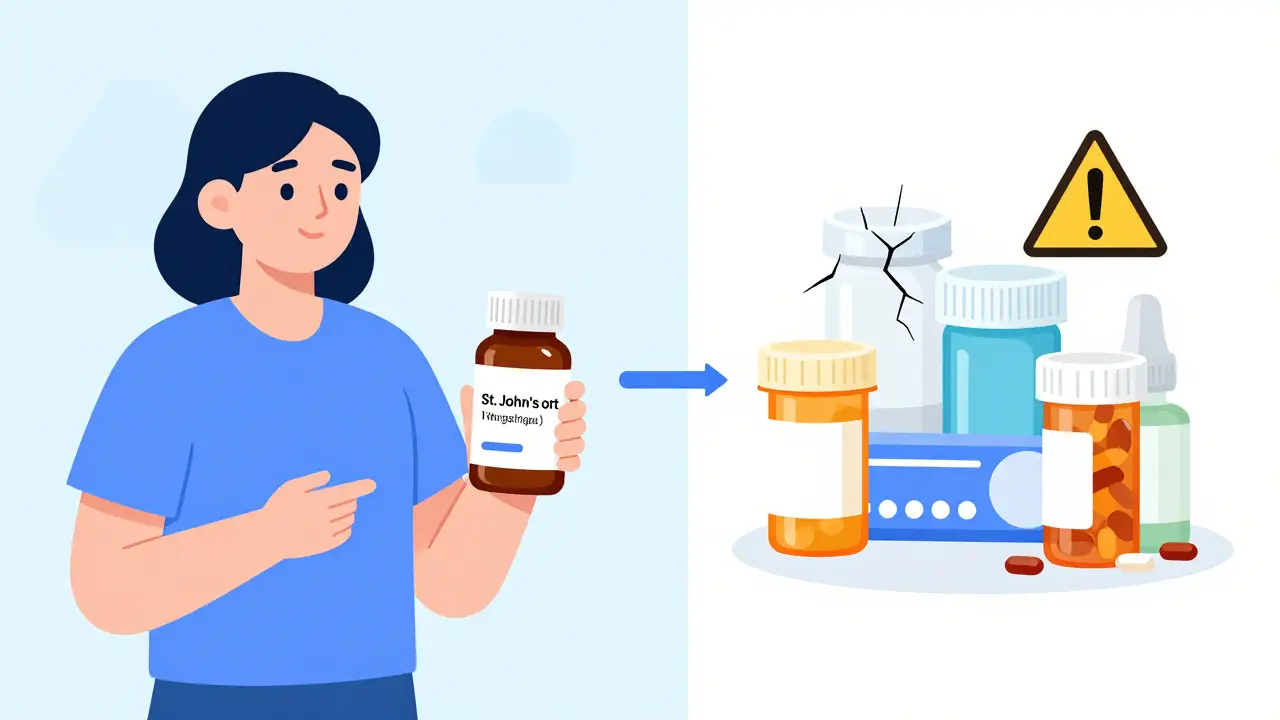
You might think that because St. John’s Wort comes from a plant, it is gentle on your body. The reality is much sharper. St. John’s Wort is a potent herbal supplement that aggressively alters how your liver processes other medications. It does not just sit quietly in your stomach. It actively changes the way your body breaks down drugs, often making them ineffective or, in some cases, dangerously toxic.
If you take any prescription medication, this herb could be working against you without you even knowing it. This article breaks down exactly which drugs are at risk, why these interactions happen, and what steps you can take to stay safe.
The Hidden Mechanism: How St. John’s Wort Works Against Your Meds
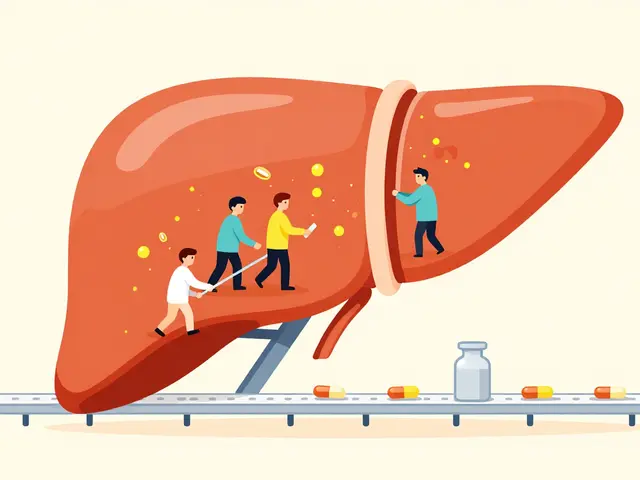
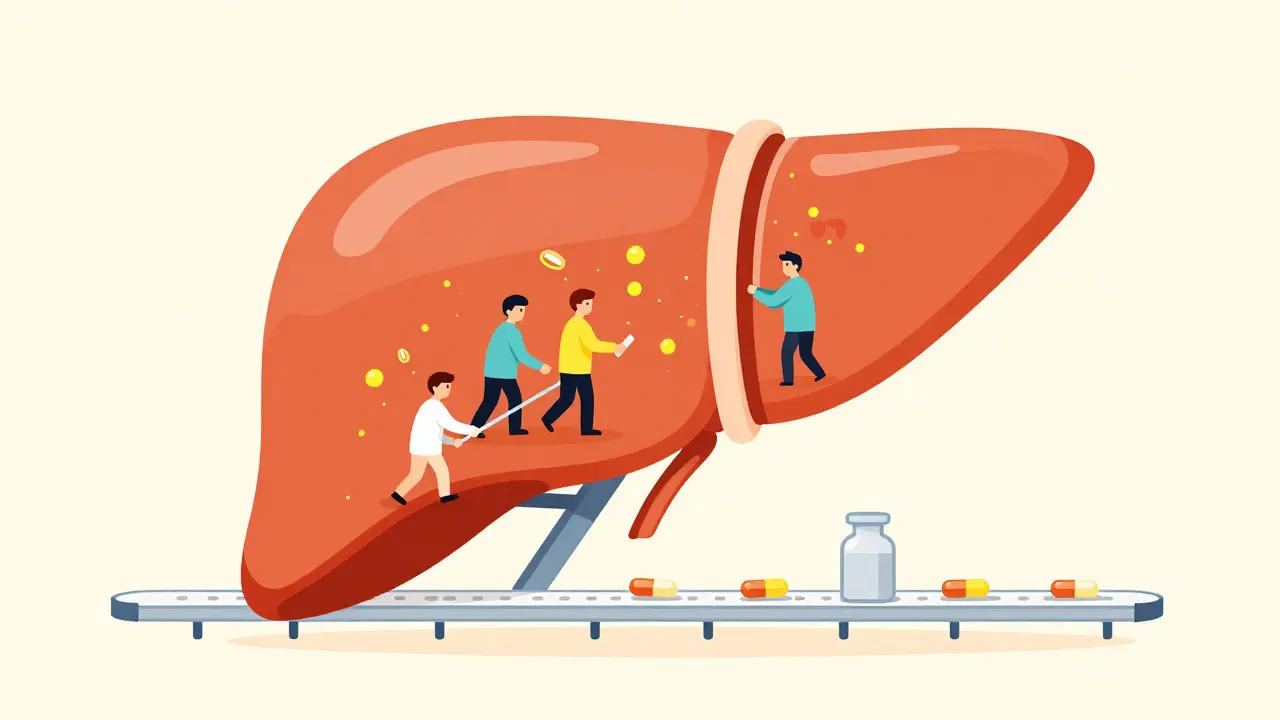
To understand the danger, you have to look inside your liver. Your liver uses a group of enzymes called cytochrome P450, specifically CYP3A4 to break down most prescription drugs. Think of these enzymes as the cleanup crew that clears drugs out of your system so they don’t build up to toxic levels.
St. John’s Wort contains a compound called hyperforin. When you ingest this herb, hyperforin tells your liver to produce *more* of these cleanup enzymes. In fact, studies show it can increase CYP3A4 activity by up to 40% after just two weeks of daily use. This means your liver starts processing your other medications much faster than intended.
The result? Your blood levels of those critical drugs drop significantly-sometimes by 30% to 50%. If you are taking medication to prevent blood clots, reject an organ transplant, or manage HIV, dropping those drug levels can lead to life-threatening failures. The Mayo Clinic notes that this acceleration isn't immediate; it builds up over time, meaning you might feel fine for a few days before the interaction becomes dangerous.
High-Risk Medications: Who Is Most Vulnerable?
Not all drugs are affected equally, but several categories face severe risks. Here are the specific groups where St. John’s Wort causes the most trouble:
- Anticoagulants (Blood Thinners): Drugs like warfarin rely on precise blood levels to work. St. John’s Wort can lower warfarin concentrations by about 25%, causing your INR (a measure of clotting time) to drop into unsafe territory. This increases the risk of strokes or heart attacks due to clots forming when they shouldn't.
- Immunosuppressants: For transplant patients taking cyclosporine, this herb can slash drug levels by 30-50%. This leaves the body vulnerable to rejecting the new organ. One documented case showed a patient nearing rejection after starting the supplement.
- HIV Medications: Protease inhibitors like ritonavir and non-nucleoside reverse transcriptase inhibitors see their effectiveness plummeted by up to 50% when combined with St. John’s Wort. This allows the virus to replicate and potentially develop resistance.
- Oral Contraceptives: Birth control pills lose their potency. Ethinyl estradiol levels can drop by 25-35%, leading to breakthrough bleeding and unintended pregnancies. There are documented cases of women failing contraception despite perfect pill adherence simply because they added this herb.
- Statins: Not all cholesterol drugs are hit equally. Atorvastatin and simvastatin see reduced plasma concentrations, while pravastatin remains largely unaffected. If you are on the former, your cholesterol control may slip.
The Serotonin Danger Zone
There is another side to this coin. While St. John’s Wort speeds up the metabolism of many drugs, it also increases serotonin levels in the brain. It works similarly to antidepressants by inhibiting serotonin reuptake.
If you combine it with other serotonergic agents, you risk serotonin syndrome, a potentially fatal condition characterized by high fever, agitation, rapid heart rate, and muscle rigidity. This is particularly dangerous if you are already taking:
- Selective Serotonin Reuptake Inhibitors (SSRIs) like fluoxetine or sertraline
- Serotonin-Norepinephrine Reuptake Inhibitors (SNRIs)
- Certain migraine medications (triptans)
- Opioids like tramadol or fentanyl
Symptoms of serotonin syndrome can appear within just 3 to 7 days of starting the combination. It is not a subtle side effect; it requires emergency medical attention.
| Medication Class | Specific Examples | Effect of Interaction |
|---|---|---|
| Anticoagulants | Warfarin, Phenprocoumon | Reduced efficacy; increased clot risk |
| Immunosuppressants | Cyclosporine, Tacrolimus | Organ rejection risk due to low drug levels |
| Antidepressants | Fluoxetine, Sertraline, Citalopram | Risk of serotonin syndrome |
| Benzodiazepines | Alprazolam (Xanax), Diazepam | Reduced anxiety relief; withdrawal symptoms |
| Birth Control | Ethinyl Estradiol pills | Contraceptive failure; unintended pregnancy |
Why Patients Don’t See It Coming
A major part of the problem is perception. Many people do not consider herbal supplements to be "medications." A 2022 study at Johns Hopkins found that 41% of patients did not disclose their use of St. John’s Wort to their healthcare providers, even though they were taking prescription drugs.
This gap in communication is deadly. Doctors prescribe based on the assumption that no interacting substances are present. Pharmacists screen for interactions between prescribed drugs, but rarely check for over-the-counter herbs unless asked. The FDA has mandated warning labels since 2019, stating "Ask a doctor before use if you are taking prescription drug," but consumer awareness remains low.
Furthermore, the effects linger. Even after you stop taking St. John’s Wort, the induced enzymes remain active for up to two weeks. This means you cannot simply switch off the herb and expect your other medications to immediately return to normal therapeutic levels. You need a washout period and careful monitoring.

Practical Steps for Safety
If you are considering St. John’s Wort for mild depression, you must treat it with the same caution as a pharmaceutical. Here is how to protect yourself:
- Disclose Everything: Tell your doctor and pharmacist about every supplement, vitamin, and herb you take. Do not assume they know.
- Check the Label: Look for hyperforin content. Some newer extracts claim to have less than 0.3% hyperforin, which may reduce interaction potential, but these are not yet standard everywhere.
- Monitor Levels: If you are on warfarin, cyclosporine, or anticonvulsants, your doctor should monitor your blood levels closely (e.g., INR checks every 3-5 days) if you start or stop the herb.
- Avoid High-Risk Combos: If you are on birth control, SSRIs, or HIV meds, avoid St. John’s Wort entirely unless explicitly approved by a specialist who can adjust your dosages.
- Plan the Exit: Understand that stopping the herb requires a 2-week transition period where your other medications may need dose adjustments.
Frequently Asked Questions
Can I take St. John’s Wort with aspirin?
Aspirin is generally metabolized differently than warfarin, but St. John’s Wort can still affect platelet function and increase bleeding risk slightly. However, the primary danger lies with stronger anticoagulants like warfarin or direct oral anticoagulants (DOACs). Always consult your doctor before combining them.
How long does it take for St. John’s Wort to interact with other drugs?
It typically takes 1 to 2 weeks of regular use for the enzyme-inducing effects to fully manifest. This means the interaction is not immediate upon the first dose but builds up over time, reducing the effectiveness of other medications gradually.
Does St. John’s Wort interact with antibiotics?
Yes, it can interact with certain antibiotics, particularly rifampin, which also induces liver enzymes. Additionally, macrolide antibiotics like erythromycin are metabolized by CYP3A4, so St. John’s Wort could lower their levels, potentially leading to treatment failure for infections.
Is there a safe form of St. John’s Wort?
Research suggests that standardized extracts containing less than 0.3% hyperforin may have reduced interaction potential while maintaining antidepressant effects. However, these formulations are not universally available, and individual responses vary. Medical supervision is still required.
What happens if I stop taking St. John’s Wort suddenly?
The enzyme induction lasts for up to two weeks after discontinuation. During this time, your other medications may become more potent as the liver returns to its normal processing speed. This can lead to toxicity if doses are not adjusted downward temporarily.