Anaphylaxis Symptoms: What to Recognize and When to Act
When your body overreacts to something harmless—like peanuts, bee stings, or medication—it can trigger anaphylaxis, a severe, life-threatening allergic reaction that affects multiple systems in the body. Also known as anaphylactic shock, it doesn’t wait for permission to escalate. Symptoms can start in seconds and turn deadly within minutes. If you’ve ever felt your throat close up after eating, or your skin break out in hives while your blood pressure dropped, you’ve seen what anaphylaxis looks like in real time.
This isn’t just a skin rash or a stuffy nose. anaphylaxis, a systemic emergency that demands immediate treatment with epinephrine involves your airways, heart, gut, and skin all at once. You might notice swelling in your lips or tongue, trouble breathing, a rapid or weak pulse, dizziness, or vomiting. Some people feel a strange sense of doom—like something is terribly wrong—before the physical signs even show up. That gut feeling? It’s your body screaming for help.
What makes it dangerous is how fast it moves. Unlike a mild allergy, anaphylaxis doesn’t improve with antihistamines alone. Delaying epinephrine can cost lives. Even if symptoms seem to fade after using an EpiPen, you still need to go to the ER. The reaction can come back stronger hours later. And it’s not just food or insects—antibiotics, NSAIDs, and even latex can trigger it. People with asthma, previous anaphylaxis, or certain heart conditions are at higher risk, but it can happen to anyone, anytime.
Knowing the signs isn’t just helpful—it’s essential. If you or someone you care about has a known allergy, keep an epinephrine auto-injector handy and make sure those around you know how to use it. Schools, workplaces, and families need clear plans. And if you’ve never had a severe reaction before, don’t assume you’re safe. The first one can be the worst.
Below, you’ll find real-world insights from medical professionals and patients who’ve lived through this. These posts don’t just list symptoms—they explain why they happen, how to respond, and how to prevent future episodes. Whether you’re managing a known allergy, caring for someone who is, or just want to understand what to do in an emergency, this collection gives you the facts you need—no fluff, no guesswork.
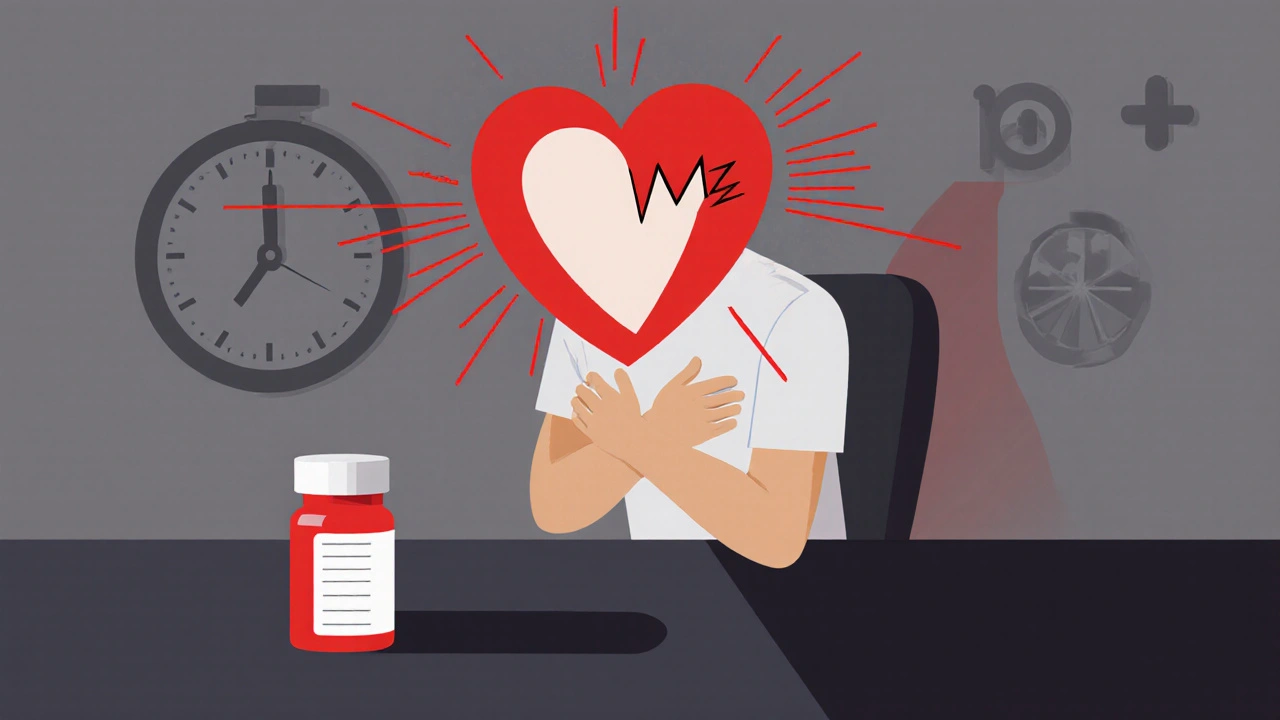
Early Warning Signs of Dangerous Medication Side Effects: What to Watch For
Learn the early warning signs of dangerous medication side effects that could save your life. From breathing trouble to jaundice, know when to act fast and what to do next.