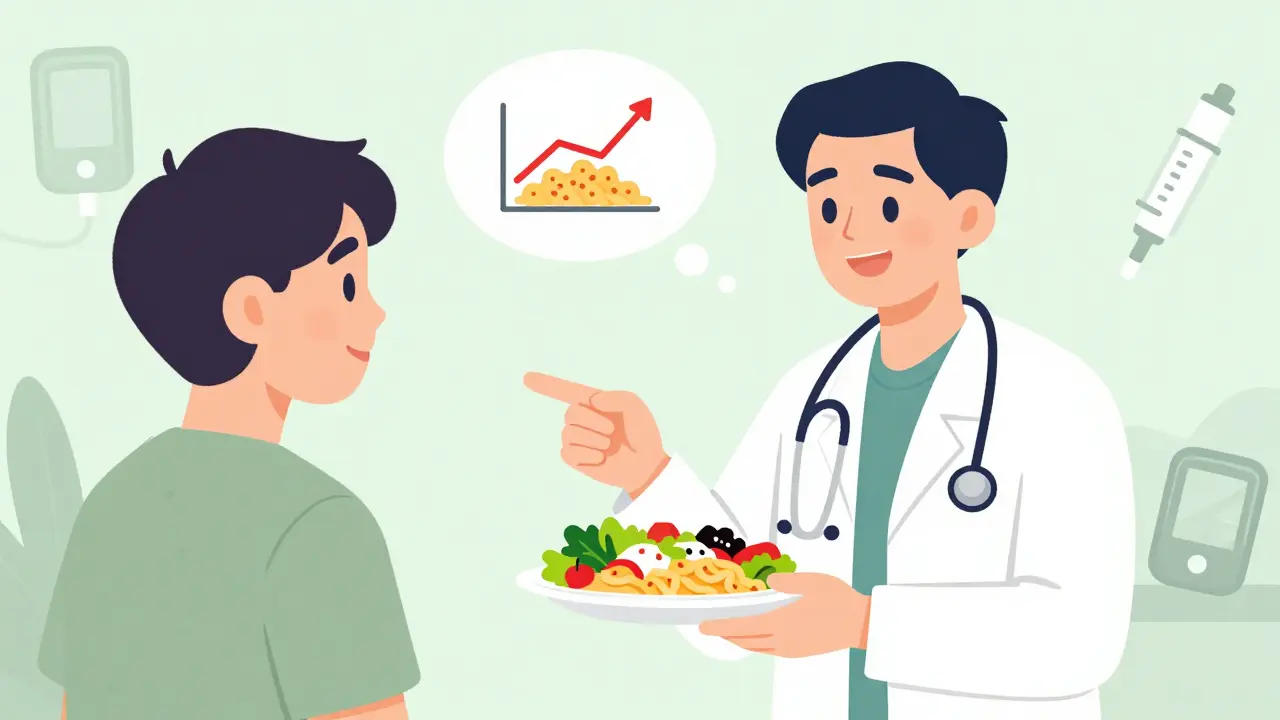
When teaching patients about their condition - whether it’s diabetes, heart disease, or managing chronic pain - the goal isn’t just to hand them a pamphlet. It’s to make sure they truly understand what to do, why it matters, and how to handle setbacks. But how do you know if they got it? That’s the real challenge in patient education: measuring generic understanding - the ability to apply knowledge in real life, not just repeat facts during a clinic visit.
Why Generic Understanding Matters More Than Memorization
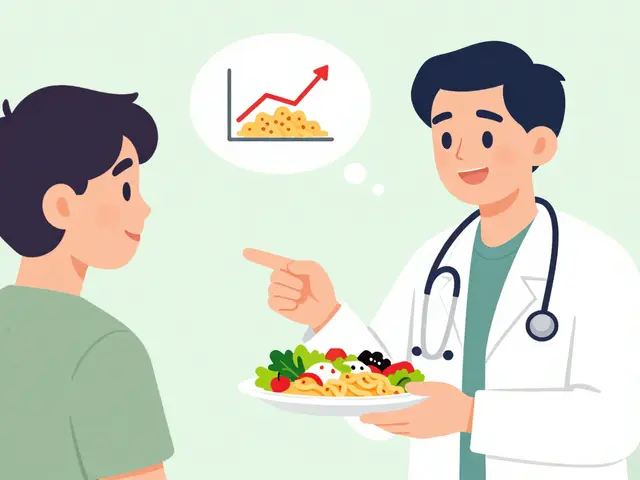
Many clinics assume that if a patient can list their medications or describe their diagnosis, they’ve learned enough. But that’s like saying someone knows how to drive because they can recite the rules of the road. Real understanding means they can adjust their diet when dining out, recognize early warning signs of a flare-up, or call their doctor when something feels off - even if it’s not on the handout. Studies show that patients who only memorize facts are 3 times more likely to miss doses, skip follow-ups, or misinterpret symptoms. Generic understanding, on the other hand, lets people adapt. A diabetic who understands how carbs affect blood sugar can choose a salad over pasta at a wedding. A COPD patient who grasps breath-training techniques can use them during a panic attack, even without an inhaler nearby.Direct vs. Indirect Methods: What Actually Shows Learning
There are two main ways to measure if learning stuck: direct and indirect methods. Direct methods watch what people do. For example:- Asking a patient to demonstrate how to use their inhaler - not just explain it.
- Giving them a scenario: “Your blood sugar is 220. You just ate a bagel. What do you do next?”
- Reviewing a home log they kept for a week - did they record meals, symptoms, and meds correctly?
- Post-visit surveys: “How confident are you in managing your condition?”
- Follow-up calls: “Did you find the materials helpful?”
Formative Assessment: The Daily Check-In That Changes Outcomes
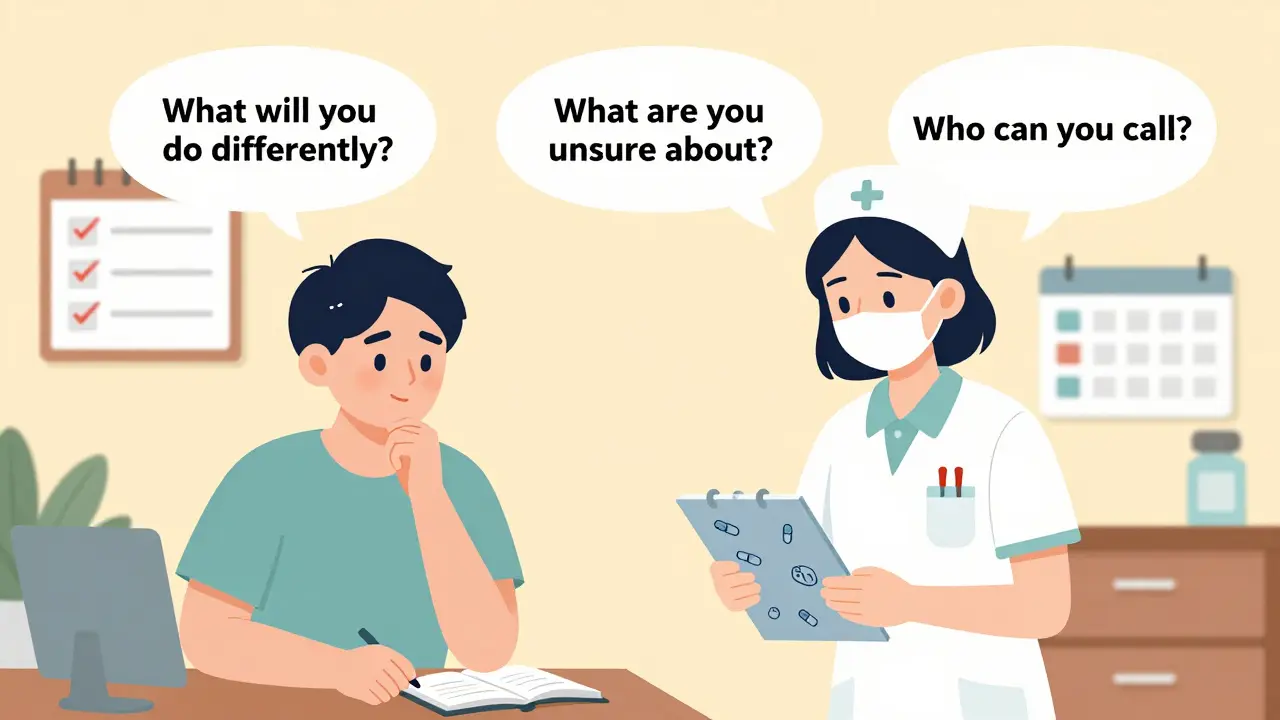
Forget waiting until the end of the visit to find out if someone got it. The best clinics use formative assessment - small, frequent checks during education. Think of it like a GPS that keeps recalculating. Here’s how it works in practice:- After explaining insulin injections, ask: “What’s the one thing you’re most unsure about right now?”
- Use a 3-question exit ticket: “Name one food to avoid. When should you check your glucose? Who do you call if you feel dizzy?”
- Have patients teach it back: “Can you explain this to your spouse like you’re talking to a friend?”
Using Rubrics to Measure Real Skills
Rubrics aren’t just for teachers. They’re powerful tools for patient education too. A simple 3-point rubric for “Medication Management” might look like this:| Criteria | Needs Improvement | Proficient | Exemplary |
|---|---|---|---|
| Identifies all prescribed meds | Names only 1-2 | Names all, but can’t explain purpose | Names all + explains why each is needed |
| Knows timing and dosing | Confused about when to take | Knows timing, but mixes up doses | Accurately describes schedule + knows what to do if missed |
| Recognizes side effects | Cannot name any | Names one common side effect | Names 2+ and knows when to act |
Why Summative Tests Alone Fail Patients
End-of-visit quizzes might feel satisfying - “Great! You passed!” - but they’re dangerously misleading. They measure memory at one moment, not long-term understanding. A 2022 analysis of 87 clinics found that patients who scored 100% on a post-education test were just as likely to make dangerous errors three weeks later as those who scored 60%. Why? Because the test didn’t ask them to apply knowledge. It asked them to recall. Summative assessments have a place - but only as a final check, not the whole picture. If you rely on them alone, you’re building a house on sand.What Works Best: The Multi-Method Approach
No single method captures real understanding. The most effective programs use a mix:- Start with formative checks - daily, low-stakes questions during teaching.
- Use direct observation - watch them do the task, don’t just ask.
- Apply rubrics - define what “good” looks like, then measure against it.
- Follow up in 7-14 days - call or text: “What’s one thing you’ve tried since we talked?”
- Use indirect feedback - surveys and interviews to spot patterns, not judge individuals.
What to Avoid
Don’t fall into these traps:- Asking yes/no questions - “Do you understand?” always gets a yes.
- Using jargon - “Compliance,” “adherence,” “therapeutic regimen” - patients don’t think that way.
- Assuming language fluency equals understanding - Even if they speak English well, they may not grasp medical concepts.
- Waiting for complaints - If they don’t say anything, it doesn’t mean they got it.
The Future: Adaptive Tools and AI
New tools are emerging. Some clinics now use simple apps that ask daily questions like: “How was your energy today?” or “Did you take your blood pressure meds?” Based on answers, the system adjusts the next lesson - like a smart tutor. AI-powered systems can detect patterns: if a patient consistently skips morning meds, the system might send a video of someone setting an alarm - not another pamphlet. Early trials show these tools improve retention by 30% over traditional methods. But tech isn’t magic. It still needs human oversight. A patient who doesn’t answer might be overwhelmed, depressed, or afraid. A human can notice that. A bot can’t.How do I know if my patient really understands their condition?
Don’t ask if they understand. Watch them do it. Ask them to explain it back in their own words. Use simple, real-life scenarios: “What would you do if you felt dizzy after taking your pill?” If they can describe steps - not just repeat facts - they’re likely to apply it.
Are surveys and questionnaires enough to measure patient learning?
No. Surveys tell you how patients feel they’re doing - not what they can actually do. A patient might say they’re confident but still mix up their meds. Use surveys to spot trends, not to judge individual understanding. Always pair them with direct observation or skill checks.
What’s the fastest way to improve patient education outcomes?
Start using 3-question exit tickets at the end of every education session. Ask: “What’s one thing you’ll do differently?” “What’s one thing you’re still unsure about?” “Who can you call if something goes wrong?” This takes 90 seconds, and clinics using this method report a 40% drop in follow-up confusion.
Why are rubrics useful for patient education?
Rubrics turn vague goals like “understand your meds” into clear, observable behaviors. Instead of guessing if someone got it, you can see exactly where they’re stuck - whether they know the names, the timing, or what to do if they miss a dose. They also help patients see progress, not just failure.
Can AI replace human educators in patient teaching?
No - but it can help. AI tools can track daily responses, spot patterns, and suggest personalized reminders. But they can’t read emotion, detect fear, or adjust tone. A patient who skips a dose because they’re scared of side effects needs a human to talk to, not a notification. Use AI to support, not replace, human connection.





Ian Kiplagat March 7, 2026
I’ve used the 3-question exit ticket at my clinic. Game changer. 🙌 Patients actually *remember* what to do. No more "I forgot" excuses. Simple. Effective. Done.
Amina Aminkhuslen March 8, 2026
Oh sweet merciful god, another pile of bureaucratic fluff wrapped in "evidence-based" glitter. You think a rubric fixes the fact that most patients get 12 minutes with a provider who’s already burned out? This is like putting a Band-Aid on a hemorrhage. Stop measuring. Start listening.
amber carrillo March 9, 2026
I appreciate the emphasis on direct observation. It’s easy to assume understanding when we hear the right words. But watching someone demonstrate a skill? That’s where real learning reveals itself. Thank you for highlighting this.
Tim Hnatko March 10, 2026
The formative check idea is brilliant. I’ve seen patients shut down when hit with a quiz at the end. But asking "What’s one thing you’re unsure about?" - that invites honesty. It’s not about performance. It’s about connection.
Joey Pearson March 10, 2026
YES. The exit ticket. I started using it last month. My patients are *engaged*. One guy even drew a diagram of his med schedule. We laughed. We learned. Do this. It’s not extra work - it’s better work.
Roland Silber March 11, 2026
I’ve been using rubrics with my diabetic patients. The "exemplary" column? It’s not about perfection. It’s about autonomy. When they can explain why they’re adjusting their insulin, they stop seeing me as the boss and start seeing themselves as the captain. That’s the win.
Patrick Jackson March 13, 2026
We’re not just teaching meds and meals. We’re teaching people how to be alive in a body that’s been turned into a battlefield. The real metric? When they stop saying "I have to" and start saying "I choose". That’s when understanding becomes living. 🕊️
Adebayo Muhammad March 14, 2026
You’re all missing the point. This is just another corporate health initiative disguised as compassion. Who funds these "studies"? Pharma? Insurance? The real problem? Patients are being turned into data points while the system profits from their confusion. Wake up.
Pranay Roy March 15, 2026
I’ve been doing this for 15 years and I can tell you - none of this works. The system is rigged. Patients are too poor to afford food, too stressed to remember pills, and too scared to ask questions. You think a rubric fixes systemic neglect? This is performative activism. You’re just checking boxes.
Joe Prism March 16, 2026
The AI bit? Interesting. But tech doesn’t care if someone’s crying while they scan their glucose meter. The human moment - the silence after they say "I don’t know" - that’s where healing starts.
Bridget Verwey March 17, 2026
Wow. So we’re measuring understanding now? What’s next? A standardized test for hope? 😏 Look - if you’re not talking to your patient like a person, no rubric, no app, no exit ticket will save you. Stop overcomplicating. Just show up.
Andrew Poulin March 19, 2026
Just do the exit ticket. Stop overthinking. It’s 90 seconds. It works. If you’re still using "Do you understand?" you’re not just wasting time - you’re endangering lives. Do better.