ANDA: What It Is, Why It Matters, and How It Shapes Your Medications
When you pick up a generic pill at the pharmacy, chances are it got there through an ANDA, the Abbreviated New Drug Application process used by the FDA to approve generic versions of brand-name drugs. Also known as Abbreviated New Drug Application, it’s the backbone of affordable medicine in the U.S. Without ANDA, most of the drugs you rely on—like metformin, lisinopril, or atorvastatin—would cost ten times more. This isn’t just bureaucracy; it’s the system that lets millions of people manage chronic conditions without financial ruin.
ANDA doesn’t mean lower quality. The FDA requires generic drugs to have the same active ingredient, strength, dosage form, and route of administration as the brand-name version. They must also prove they’re absorbed into the body at the same rate and extent. That’s why a generic version of Lipitor works just like the original. But here’s what most people don’t know: ANDA applications skip the long, expensive clinical trials the brand-name drug went through. Instead, they rely on the original’s safety data, focusing only on proving bioequivalence. This cuts approval time from years to months—and keeps prices low. But this shortcut only works because the original drug already passed every safety and efficacy hurdle. So ANDA depends entirely on the integrity of the original approval.
And it’s not just about cost. ANDA drives competition. When a brand-name drug’s patent expires, multiple companies can file ANDAs. That’s why you’ll find ten different brands of generic omeprazole on the shelf. More choices mean better prices and fewer supply shortages. But not every ANDA gets approved. The FDA rejects applications that don’t meet manufacturing standards, show inconsistent bioavailability, or have misleading labeling. That’s why some generics disappear from shelves—they failed inspection, not because they didn’t work.
The posts you’ll find here dive into the real-world impact of ANDA-approved drugs. You’ll see how generic versions of insulin, antipsychotics, and heart medications compare to their brand-name counterparts. You’ll learn about black box warnings on generics, how fiber supplements can interfere with absorbed generics, and why some patients still prefer the original even when the generic is identical. We cover drug interactions, side effects, and safety alerts tied directly to medications that entered the market through ANDA. Whether you’re managing gout, depression, or high blood pressure, the pills you take every day likely followed this path. Understanding ANDA helps you ask the right questions—about cost, safety, and whether your generic is truly interchangeable.
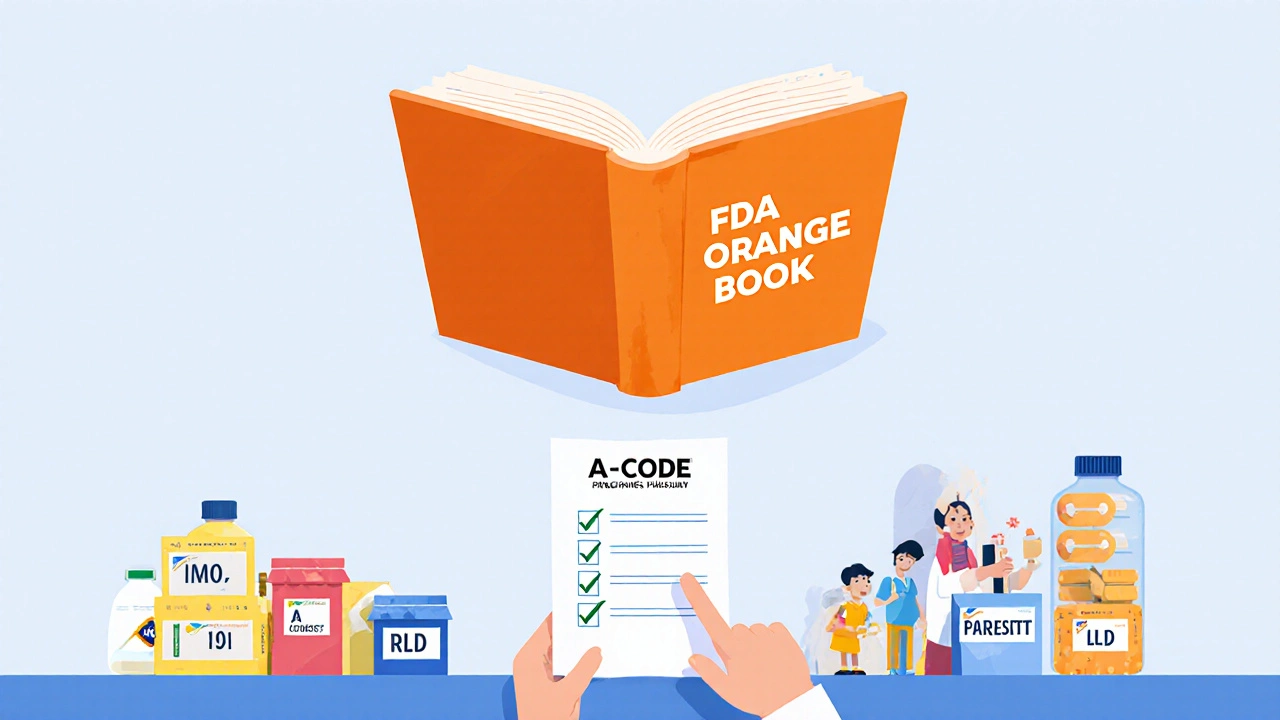
FDA Orange Book: How Approved Generic Drugs Are Listed
The FDA Orange Book lists approved generic drugs and shows which ones are therapeutically equivalent to brand-name drugs. It's the official guide for pharmacists, insurers, and patients to understand drug substitution rules.