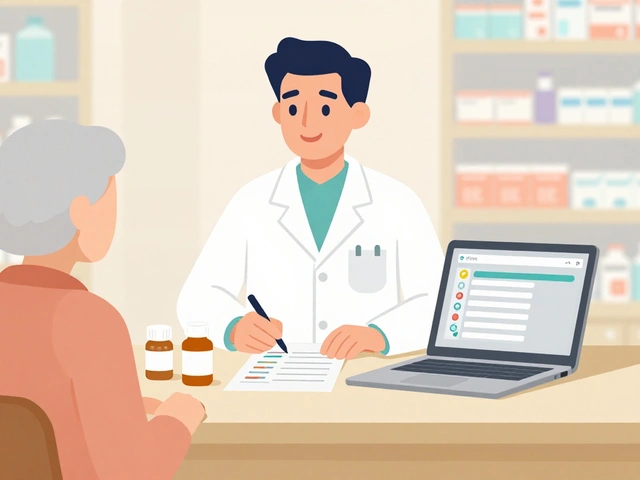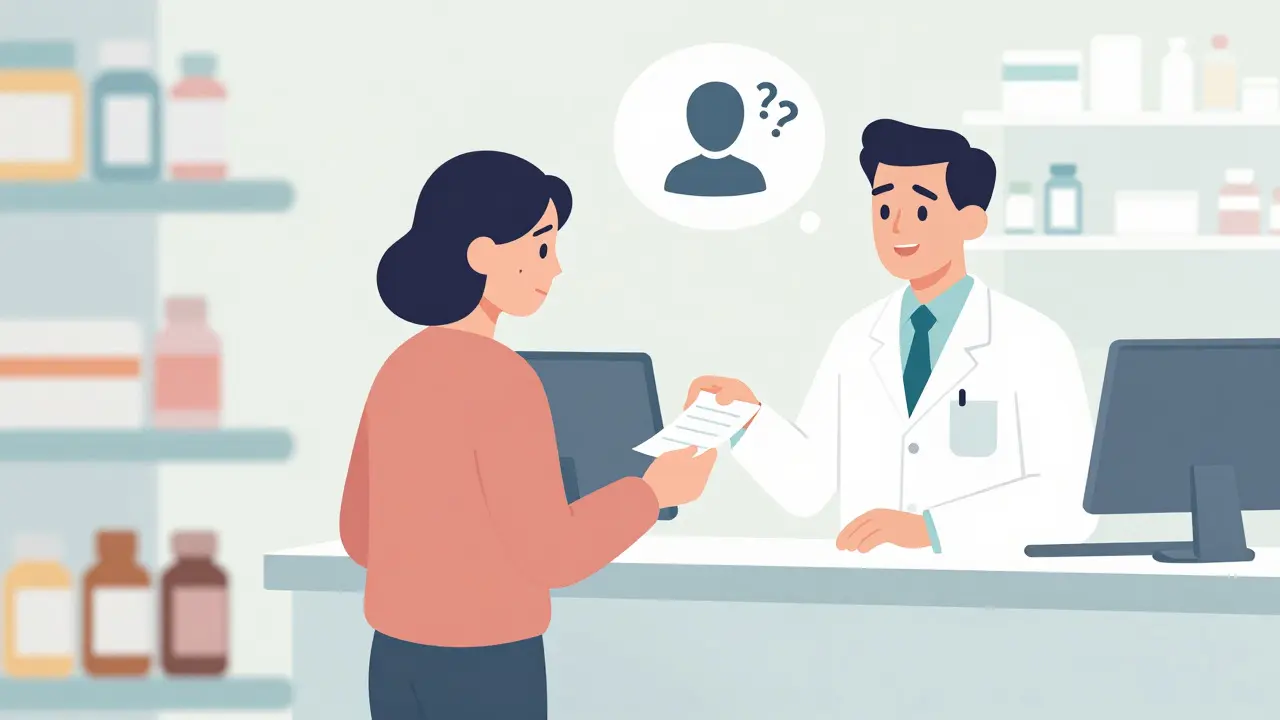
You’re standing in the pharmacy line, holding a new prescription slip. The pharmacist scans your ID, pulls up your profile, and asks the standard question: "Any allergies?" You say no. They hand you the bag. Done. But did they know you take St. John's Wort for mood, ibuprofen for headaches, and grapefruit juice every morning? Probably not. And that gap is where drug interactions hide.
Drug interactions aren't just theoretical risks; they are a leading cause of preventable hospital visits. In the U.S., approximately 1.3 million people end up in emergency rooms annually due to adverse drug events, many stemming from unnoticed conflicts between medications, foods, or supplements. The good news? Pharmacists are trained to catch these issues if you give them the right information. Here’s how to turn your next pharmacy visit into a safety check rather than just a pickup run.
Why Most Interaction Checks Fail
The biggest mistake patients make is assuming the pharmacist knows everything about their health. While pharmacists have access to your prescription history at that specific store, they often lack data on over-the-counter (OTC) meds, dietary supplements, or habits like alcohol consumption. A 2022 study in JAMA Internal Medicine found that even advanced electronic alert systems miss roughly 18% of clinically significant interactions because patient medication histories are incomplete.
This is especially true for older adults. According to the National Center for Health Statistics, 57% of women and 44% of men aged 65 and older take five or more medications daily. This phenomenon, known as polypharmacy, drastically increases the complexity of your body’s chemistry. When multiple drugs compete for the same metabolic pathways-specifically the cytochrome P450 enzymes in your liver-the risk of one drug blocking another’s breakdown skyrockets. If Drug A isn’t broken down properly, it stays in your system longer, potentially causing toxicity. If Drug B speeds up the breakdown of Drug C, Drug C might stop working entirely.
The Core Questions That Uncover Hidden Risks
Don’t wait for the pharmacist to ask you about your lifestyle. Proactively bring up these specific scenarios. The FDA recommends asking targeted questions to ensure comprehensive screening. Here are the most impactful ones to use:
- "Can this new med be taken with my current prescriptions?" Be specific. Don’t just say "my meds." Name them if possible, or show the bottle. This checks for direct drug-drug interactions, which are the most common type flagged by the FDA.
- "Do I need to avoid any specific foods or drinks?" This is crucial for those taking MAO inhibitors (like phenelzine), where tyramine-rich foods like aged cheese can cause dangerous blood pressure spikes. It also covers the well-known interaction between grapefruit juice and statins or certain calcium channel blockers.
- "Will this interfere with my over-the-counter painkillers or cold meds?" Many OTC products contain hidden ingredients. For example, some decongestants can elevate blood pressure, posing a risk for hypertensive patients. Asking this ensures you don’t accidentally double-dose on active ingredients like acetaminophen.
- "How does this affect my absorption if I take it with food?" Timing matters. Some drugs require an empty stomach for optimal absorption, while others need food to prevent nausea. Knowing whether to take a pill with breakfast or before bed can prevent both side effects and reduced efficacy.
- "Are there signs of an interaction I should watch for?" Instead of waiting for severe symptoms, ask for early warning signs. Is it unusual bruising? Dizziness? Changes in heart rate? Having a concrete list helps you monitor your body effectively.
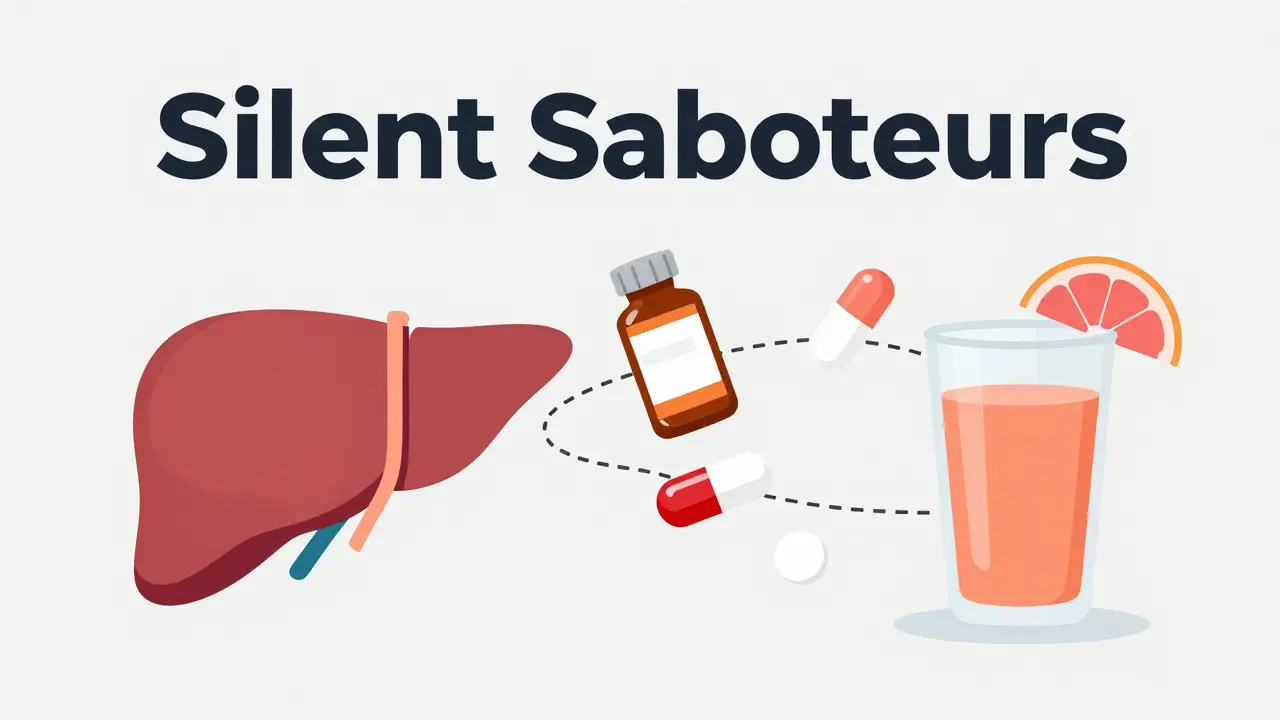
Supplements and Herbs: The Silent Saboteurs
Here’s a hard truth: vitamins and herbal supplements are not regulated as strictly as prescription drugs. Yet, 77% of American adults use at least one dietary supplement. This creates a blind spot in traditional interaction checks. Rita Shane, PharmD, Chief Pharmacy Officer at Cedars-Sinai, advises patients to explicitly ask: "How do I know if there's an issue with the medications I'm prescribed? What about juices?"
St. John’s Wort, for instance, is a potent inducer of the CYP3A4 enzyme. If you take it alongside birth control pills, warfarin, or certain antidepressants, it can speed up the metabolism of those drugs, rendering them ineffective. Conversely, high doses of Vitamin K can counteract the blood-thinning effects of warfarin. When you speak to your pharmacist, treat your supplement cabinet with the same transparency as your prescription folder. List out every herb, mineral, and vitamin you take, including dosages. This allows the pharmacist to cross-reference against known botanical-drug interactions, a task that requires specific expertise beyond basic prescription checks.
Understanding the Mechanics: Why It Happens
To appreciate why these questions matter, it helps to understand the three main categories of interactions defined by the FDA:
- Drug-Drug Interactions: Two medications react. One might inhibit the enzyme that breaks down the other, leading to toxic buildup. Or, they might compete for protein binding sites in the blood, altering how much active drug reaches your tissues.
- Drug-Food/Beverage Interactions: Food components change the pH of your stomach or bind to the drug molecule. Grapefruit juice, for example, contains furanocoumarins that block the CYP3A4 enzyme in the gut wall, increasing the amount of drug absorbed into the bloodstream.
- Drug-Condition Interactions: An existing medical condition makes a drug risky. For example, NSAIDs like ibuprofen can worsen kidney function in patients with chronic kidney disease or increase bleeding risk in those with ulcers.
Knowing these categories helps you frame your questions. If you have a history of heart failure, ask specifically about sodium content in liquid formulations. If you have diabetes, ask how a new antibiotic might affect your blood sugar levels. Specificity yields better answers.
Preparation Checklist for Your Next Visit
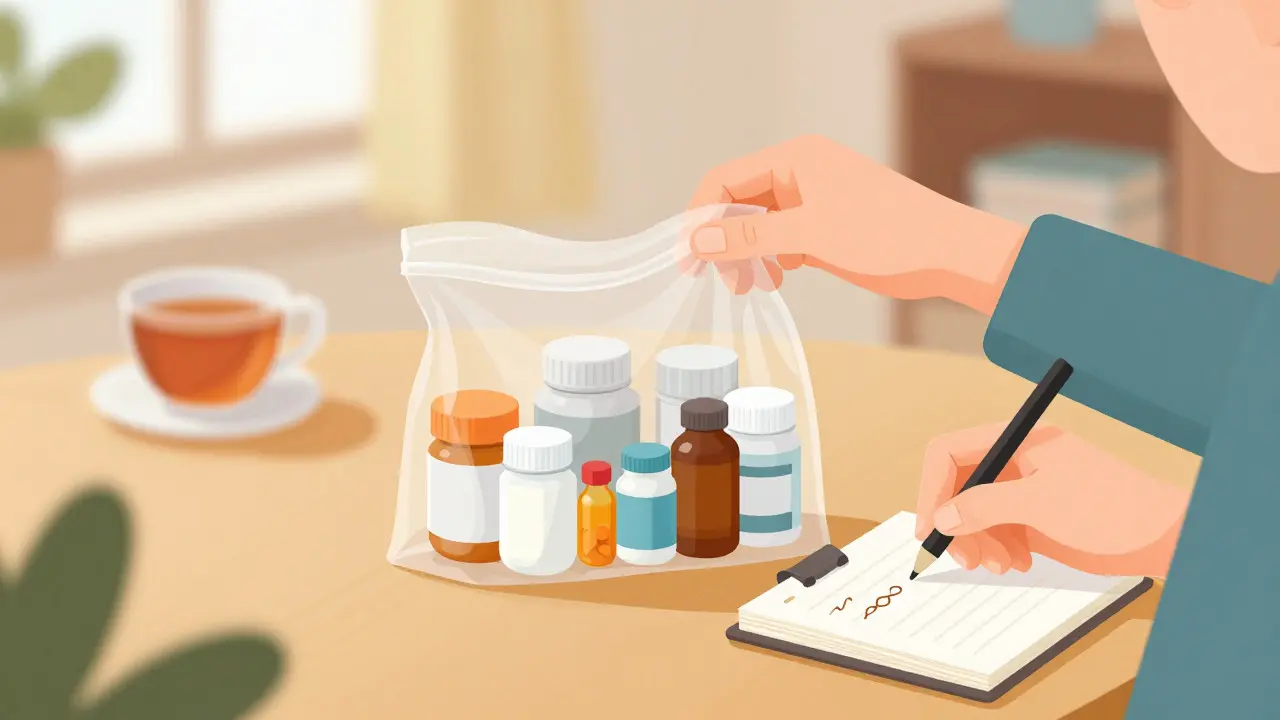
You don’t need to memorize all your chemical names, but you do need to be organized. Before you step up to the counter, gather the following:
- A complete list of all prescription medications, including dose and frequency.
- All OTC medications currently in your medicine cabinet (pain relievers, antacids, sleep aids).
- Dietary supplements, vitamins, and herbal remedies.
- Note on your typical diet: Do you drink grapefruit juice? Alcohol? Coffee?
- List of known allergies or past adverse reactions.
If you use multiple pharmacies, consider consolidating your prescriptions into one location. This gives a single pharmacist a complete view of your regimen, reducing the chance of fragmented care. Even if you can’t consolidate, bring the physical bottles or a photo of your labels. The ASHP framework emphasizes that pharmacists need to know the route of administration and length of therapy to accurately assess risk. A pill taken orally has different interaction profiles than an injection, and a short-term course of antibiotics interacts differently than long-term maintenance therapy.
When to Worry: Red Flags and Monitoring
Not every interaction causes immediate drama. Some are subtle. However, certain patterns warrant immediate attention. If you start a new medication and notice increased bruising, unusual fatigue, or changes in bowel movements, contact your healthcare provider. These could be signs of anticoagulant interactions or gastrointestinal irritation.
For patients on narrow therapeutic index drugs-medications where the difference between a helpful dose and a toxic dose is small, such as warfarin, digoxin, or lithium-even minor interactions can be dangerous. Ask your pharmacist: "Does this new drug affect my INR levels?" or "Should I get my blood levels checked sooner?" Proactive monitoring is cheaper and safer than treating an overdose later.
| Scenario | Potential Risk | Question to Ask |
|---|---|---|
| Warfarin + Vitamin K supplements | Reduced blood thinning effect, clot risk | "Should I keep my Vitamin K intake consistent?" |
| Statins + Grapefruit Juice | Increased statin levels, muscle pain/weakness | "Is it safe to drink grapefruit juice with this dose?" |
| NSAIDs + Blood Thinners | Increased bleeding risk | "Should I switch to acetaminophen for pain?" |
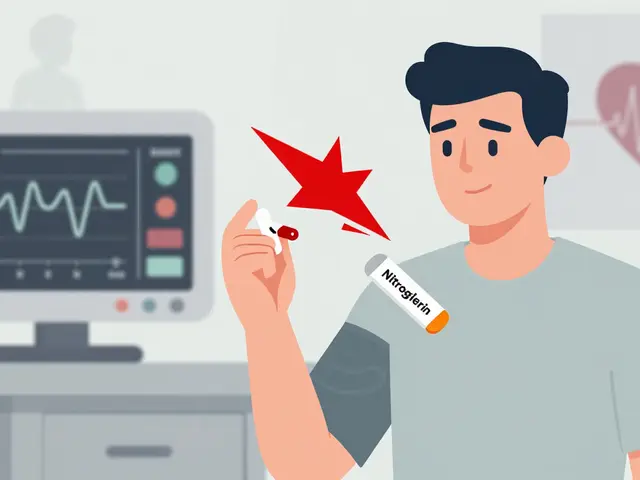
| MAO Inhibitors + Aged Cheese | Hypertensive crisis (severe BP spike) | "Which specific foods should I avoid?" |
| St. John's Wort + Antidepressants | Serotonin syndrome or reduced efficacy | "Does this herb interact with my SSRI/SNRI?" |
The Role of Pharmacogenomics
While talking to your pharmacist is the current gold standard, the future involves personalized genetics. The FDA approved the first pharmacogenetic test for warfarin dosing in 2021, allowing doctors to prescribe precise doses based on your DNA. As these tests become more common, ask your pharmacist: "Have we done any genetic testing for my medications?" If you have a family history of drug sensitivity, this conversation becomes even more critical. Until then, manual communication remains your best defense.
Frequently Asked Questions
How often should I review my medications with a pharmacist?
Experts recommend a full medication review at least quarterly, or immediately whenever a new medication is added to your regimen. The "most recent drug added" is often the culprit in new interaction cases, so timing your review around prescription changes is key.
Do natural supplements really interact with prescription drugs?
Yes. Supplements like St. John's Wort, ginkgo biloba, and high-dose vitamins can significantly alter how drugs are metabolized. Because they are not subject to the same rigorous testing as pharmaceuticals, their interactions are sometimes less documented, making disclosure to your pharmacist essential.
What is a narrow therapeutic index drug?
These are medications where a small change in blood concentration can lead to serious side effects or treatment failure. Examples include warfarin, digoxin, and lithium. Patients on these drugs need to be especially vigilant about reporting any new medications or supplements to their pharmacist.
Can food really stop a medication from working?
Absolutely. Food can change stomach acidity, slow gastric emptying, or bind to the drug molecule. For example, dairy products can reduce the absorption of tetracycline antibiotics, and grapefruit juice can block the enzymes that break down statins, leading to higher drug levels in the blood.
What should I do if I suspect a drug interaction?
Contact your pharmacist or doctor immediately. Do not stop taking a prescribed medication without professional advice, as sudden cessation can also be dangerous. Keep a log of when you took each medication and when symptoms started to help your provider identify the cause.