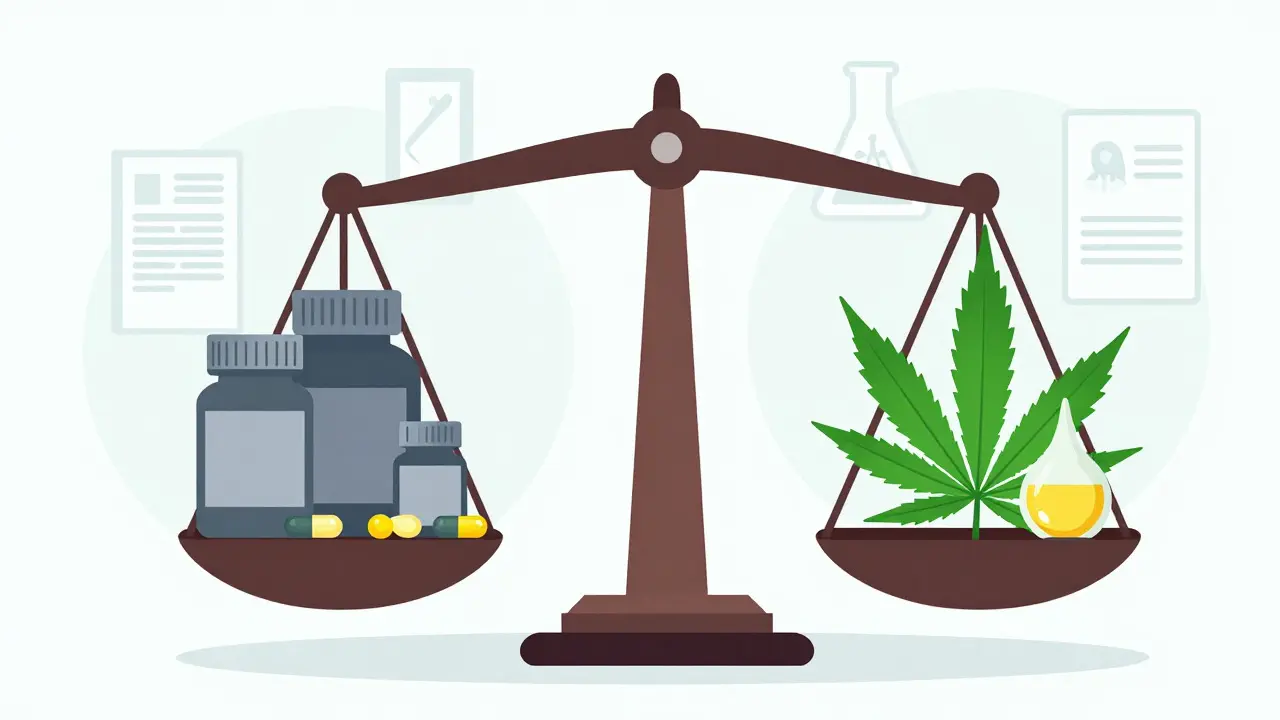
Chronic pain affects millions of people worldwide, creating an urgent demand for effective alternatives to traditional opioids. With the opioid crisis claiming over 80,000 lives annually in the United States alone, patients and clinicians are increasingly turning to cannabinoids, chemical compounds derived from the Cannabis sativa plant that interact with the body's endocannabinoid system to modulate pain signaling pathways. But do these natural compounds actually work? The answer is complicated by conflicting research, inconsistent product quality, and a regulatory landscape that varies significantly by region.
The evidence surrounding cannabinoids for pain management reveals a nuanced picture where specific compounds show promise for certain types of pain while others lack robust clinical support. This guide breaks down what current science tells us about tetrahydrocannabinol (THC), cannabidiol (CBD), and emerging compounds like cannabigerol (CBG), providing practical insights on dosing strategies and safety considerations for those considering cannabinoid-based therapies.
Understanding the Science Behind Cannabinoids and Pain
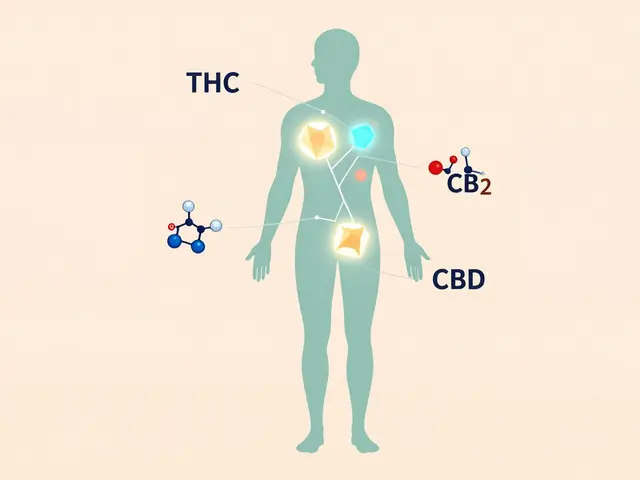
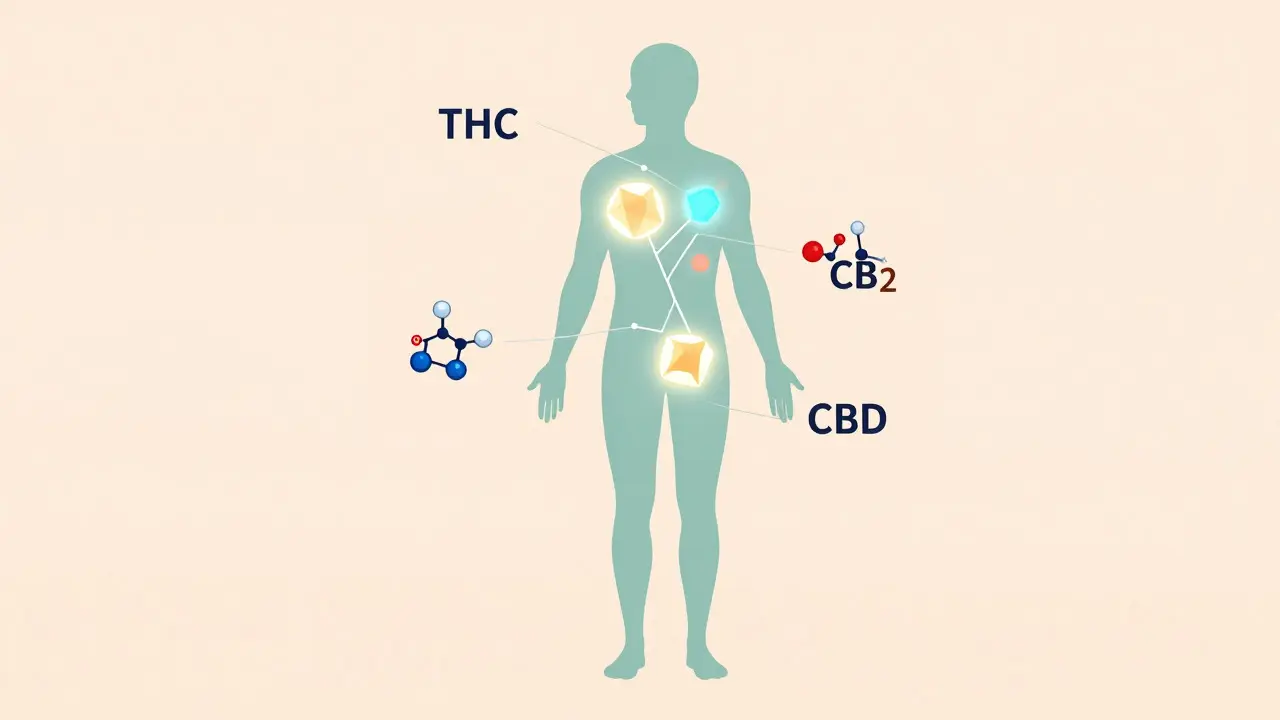
To understand how cannabinoids might help with pain, we need to look at the endocannabinoid system-a complex cell-signaling network identified in the early 1990s that plays a crucial role in regulating pain perception, inflammation, and immune response. When you experience pain, your body produces endogenous cannabinoids that bind to CB1 and CB2 receptors throughout the nervous system and immune cells.
Phytocannabinoids like THC and CBD mimic or modulate this natural process. THC directly activates CB1 receptors, producing both analgesic effects and psychoactive properties, while CBD works more indirectly by inhibiting the breakdown of your body's own endocannabinoids and interacting with serotonin receptors. Recent research has expanded our understanding beyond these two primary compounds.
A groundbreaking January 2025 study from Yale School of Medicine led by Dr. Mohammad-Reza Ghovanloo revealed that cannabigerol (CBG) shows particularly strong potential for reducing peripheral nervous system pain signaling without the risks associated with traditional treatments. The research demonstrated that CBG, along with CBD and cannabinol (CBN), reduced activity of proteins central to pain transmission, with CBG showing the most significant effects in laboratory settings.
| Cannabinoid | Pain Type Evidence | Psychoactive Effects | Key Considerations |
|---|---|---|---|
| THC | Moderate evidence for chronic and neuropathic pain | Yes - causes intoxication | May impair cognition; legal restrictions vary |
| CBD | Limited evidence; mixed results in clinical trials | No - non-intoxicating | Quality control issues; drug interaction risks |
| CBG | Promising preliminary data for peripheral pain | Minimal to none | Emerging compound; limited availability |
| THC:CBD Combination | Strongest evidence for multiple sclerosis-related pain | Reduced compared to THC alone | Health Canada approved Sativex for specific conditions |
What Does the Research Actually Show?
The scientific literature presents contradictory findings that can leave patients confused about whether cannabinoids are worth trying. A systematic review published in JAMA in 2015 found moderate-quality evidence supporting cannabinoids for chronic pain treatment, noting statistically significant reductions in pain scores compared to placebo. However, this positive finding comes with important caveats regarding side effects and long-term efficacy.
More recent research paints a less optimistic picture for CBD specifically. A comprehensive analysis from the University of Bath published in The Journal of Pain examined 16 randomized controlled trials of pharmaceutical-grade CBD and found that 15 showed no positive results for pain relief. Dr. Chris Eccleston, Professor at the University of Bath's Centre for Pain Research, stated that "CBD presents consumers with a big problem... It's touted as a cure for all pain but there's a complete lack of quality evidence that it has any positive effects."
The Centers for Disease Control and Prevention (CDC) maintains a cautious position, acknowledging "limited evidence that cannabis works to treat most types of acute or chronic pain" while recognizing some benefit for neuropathic pain specifically. Harvard Medical School echoes this sentiment, emphasizing that "there is currently no high-quality research study that supports the use of CBD alone for the treatment of pain," despite its FDA approval for rare epilepsy forms.
However, patient experiences tell a different story. Community discussions on platforms like Reddit reveal that many users report meaningful benefits, with one user describing a 30% reduction in fibromyalgia pain after two weeks of consistent CBD use. Another medical cannabis patient reported switching from 120mg daily oxycodone to just 30mg when using a 1:1 THC:CBD tincture, maintaining comparable pain control with fewer side effects.
Dosing Strategies: Starting Low and Going Slow
One of the biggest challenges in cannabinoid therapy is the lack of standardized dosing protocols. Unlike conventional medications with established therapeutic ranges, cannabinoids require individualized titration based on factors including body weight, metabolism, pain type, and prior exposure to cannabis products.
Clinicians typically recommend starting with low doses and gradually increasing until achieving desired effects or reaching tolerable side effect levels. For THC-containing products, initial doses often range from 2.5-5mg per day, while CBD recommendations start at 10-20mg daily. These amounts may seem small, but they allow your body to adjust while minimizing adverse reactions.
The titration process usually involves:
- Starting with the lowest possible dose once daily
- Waiting 3-7 days before adjusting the dose
- Increasing by 25-50% increments if needed
- Tracking pain levels, sleep quality, and side effects in a journal
- Consulting with a healthcare provider familiar with cannabinoid medicine
Product inconsistency complicates dosing efforts significantly. University of Bath researchers found that consumer CBD products contained anywhere from 0% to 260% of their labeled CBD amounts, making precise dosing nearly impossible without third-party testing verification. This variability explains why some patients experience dramatic improvements while others see no benefit whatsoever.
Safety Profile and Potential Risks
While cannabinoids generally have better safety profiles than opioids, they're far from risk-free. Understanding potential adverse effects helps patients make informed decisions and monitor for warning signs during treatment.
Common side effects documented in clinical trials include dizziness (affecting 9.2% of patients versus 5.6% on placebo), dry mouth (6.6% versus 2.5%), and nausea (5.4% versus 4.0%). These effects typically diminish as your body adjusts to regular use, but persistent symptoms warrant dose reduction or discontinuation.
More serious concerns involve drug interactions and organ toxicity. Cannabinoids are metabolized by cytochrome P450 enzymes in the liver, the same pathway used by many prescription medications including blood thinners, antidepressants, and anti-seizure drugs. High-dose CBD has been associated with elevated liver enzymes in some studies, though causation remains unclear.
THC-containing products introduce additional considerations including impaired coordination, memory issues, and potential psychological effects in susceptible individuals. People with personal or family histories of psychosis should exercise particular caution with THC, as research suggests increased risk of triggering episodes in vulnerable populations.
Quality control represents perhaps the greatest safety concern. The University of Bath study warned that CBD products "may contain chemicals other than CBD, some of which may be harmful and some illegal in some jurisdictions," including unintended THC contamination that could cause unexpected psychoactive effects or positive drug tests.

Navigating Legal and Regulatory Landscapes
The legal status of cannabinoids varies dramatically depending on location, product type, and intended use. As of November 2023, thirty-eight U.S. states plus three territories and Washington D.C. have established medical cannabis programs, yet federal prohibition under Schedule I of the Controlled Substances Act continues to restrict research funding and banking services for legitimate businesses.
This regulatory patchwork creates confusion for patients traveling between jurisdictions or ordering products online. While hemp-derived CBD containing less than 0.3% THC remains federally legal under the 2018 Farm Bill, state laws differ considerably regarding allowable THC levels and permitted uses.
Internationally, approaches vary even more widely. Canada legalized medical cannabis nationwide in 2001 and established government-run programs with quality-controlled herbal cannabis, while the Netherlands operates a unique tolerance-based system allowing regulated sales through licensed coffee shops. European countries generally maintain stricter controls, with Germany recently implementing reforms to expand medical access while maintaining recreational prohibition.
The Food and Drug Administration has issued warning letters to 147 companies marketing unapproved CBD products between 2018-2023, primarily targeting unsubstantiated health claims including pain relief promises. Patients should verify that any product they purchase includes third-party lab testing results confirming potency and purity.
Practical Implementation: Making Informed Choices
If you're considering cannabinoids for pain management, several practical steps can help maximize benefits while minimizing risks. First, consult with a healthcare provider knowledgeable about cannabinoid medicine-many traditional physicians receive minimal training in this area, so seeking specialists ensures proper guidance.
Second, prioritize products from reputable manufacturers who provide certificates of analysis (COAs) from independent laboratories. These documents verify cannabinoid content, check for contaminants like pesticides and heavy metals, and confirm THC levels remain within legal limits.
Third, consider combination products rather than isolated compounds. Research suggests that THC and CBD may work synergistically, with CBD potentially mitigating THC's psychoactive effects while enhancing analgesic properties. Health Canada's approval of Sativex, a 1:1 THC:CBD oral spray, reflects this approach for treating central neuropathic pain in multiple sclerosis and cancer pain unresponsive to optimized opioid therapy.
Finally, manage expectations realistically. Cannabinoids aren't miracle cures-they offer modest pain reduction for many patients while providing ancillary benefits like improved sleep and reduced anxiety. The goal should be functional improvement rather than complete elimination of pain sensations.
How long does it take for cannabinoids to work for pain?
Onset times vary significantly based on administration method. Inhalation produces effects within minutes but lasts only 2-4 hours, while oral products take 30 minutes to 2 hours to kick in but provide longer-lasting relief of 4-8 hours. Topical applications typically work locally within 15-30 minutes. Most patients need 2-4 weeks of consistent use to assess full therapeutic benefits, as cannabinoids may accumulate in fatty tissues and build up gradual effects.
Can cannabinoids replace opioids for chronic pain?
For some patients, yes-but not everyone responds equally. Studies show that approximately 30-40% of chronic pain patients achieve sufficient relief with cannabinoids to reduce or eliminate opioid use. However, abrupt opioid cessation can trigger withdrawal symptoms, so transitions should occur gradually under medical supervision. Cannabinoids appear most effective as adjunctive therapy rather than complete replacement, particularly for neuropathic pain components.
Are there age restrictions for using cannabinoids for pain?
Most jurisdictions set minimum ages of 18 or 21 for medical cannabis use, though pediatric exceptions exist for severe conditions like chemotherapy-induced nausea or treatment-resistant epilepsy. Adolescents face particular concerns regarding developing brain impacts from THC exposure. Elderly patients often tolerate cannabinoids well but require careful monitoring for falls risk due to dizziness and interaction with common geriatric medications.
Which type of pain responds best to cannabinoid treatment?
Neuropathic pain shows the strongest evidence for cannabinoid efficacy, including nerve damage from diabetes, spinal cord injuries, and post-herpetic neuralgia. Multiple sclerosis-related spasticity also demonstrates good response rates. Musculoskeletal pain shows mixed results, with some patients reporting significant improvement while others experience minimal benefit. Acute inflammatory pain generally responds less consistently than chronic conditions.
How much do cannabinoid products cost for pain management?
Costs vary enormously based on product type, potency, and insurance coverage. Pharmaceutical-grade options like Sativex can exceed $500 monthly, while consumer CBD products range from $30-$150 depending on concentration and brand reputation. Medical cannabis programs in various states offer sliding-scale pricing, but out-of-pocket expenses typically run $100-$300 monthly for adequate therapeutic doses. Verify whether your insurance plan covers cannabinoid medications before committing to expensive regimens.