That bloated feeling after a heavy meal or the gas that follows a night out at an Indian restaurant is uncomfortable. It’s also incredibly common. Many people reach for digestive enzymes, which are proteins that break down food into absorbable nutrients to aid digestion as a quick fix. But do these pills actually work, or are they just expensive marketing hype? The truth lies somewhere in the middle. For some conditions, like exocrine pancreatic insufficiency (EPI), these supplements are life-saving medication. For others, like occasional indigestion or irritable bowel syndrome (IBS), over-the-counter options might offer modest relief, but they aren’t a cure-all.
Understanding when and how to use digestive enzyme supplements requires looking past the label claims. We need to separate the medical necessity from the wellness trend. This guide breaks down who actually benefits from these supplements, the difference between prescription and store-bought versions, and how to take them correctly so you don’t waste your money-or worse, make your symptoms worse.
The Two Faces of Digestive Enzyme Supplements
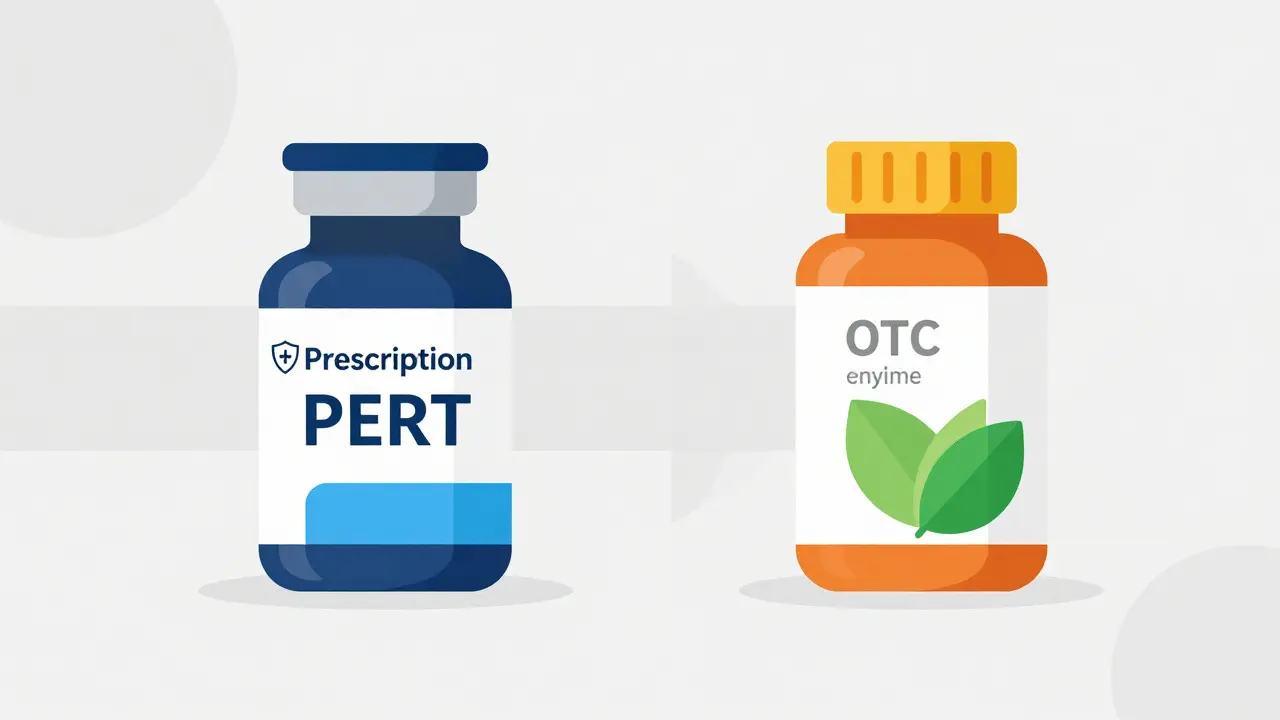
Not all enzyme supplements are created equal. In fact, there are two distinct categories with very different purposes, strengths, and regulations. Knowing which one you need is the first step to finding relief.
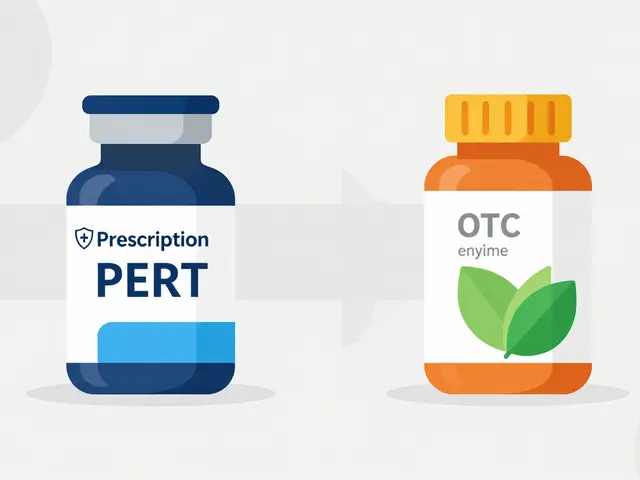
Prescription Pancreatic Enzyme Replacement Therapy (PERT) is designed for people whose pancreas cannot produce enough enzymes on its own. These are powerful, regulated drugs. Brands like Creon, Zenpep, and Pancreaze contain high concentrations of lipase, protease, and amylase derived from porcine (pig) sources. They are enteric-coated, meaning they have a special shell that protects them from stomach acid until they reach the small intestine where they are needed most. The FDA has approved these since 1995 because they are essential for treating serious conditions like chronic pancreatitis and cystic fibrosis.
On the other hand, Over-the-Counter (OTC) Digestive Enzymes are sold as dietary supplements. You can find brands like Enzymedica, NOW Foods, and Lactaid on any pharmacy shelf. These often use microbial sources, such as Aspergillus oryzae or Rhizopus arrhizus, which are fungi-based. They generally lack the protective enteric coating found in prescriptions, meaning they start working in the stomach. While they are cheaper and easier to get, their potency varies wildly. A 2019 study in the Journal of Dietary Supplements found that 20-30% of OTC batches had inconsistent enzyme levels, sometimes containing far less than what was printed on the bottle.
| Feature | Prescription PERT (e.g., Creon) | OTC Supplements (e.g., Enzymedica) |
|---|---|---|
| Primary Use | Treating Exocrine Pancreatic Insufficiency (EPI) | Mild indigestion, IBS, Lactose Intolerance |
| Enzyme Source | Porcine (Pig Pancreas) | Microbial (Fungi) or Plant-based |
| Lipase Potency | High (10,000-40,000 units/capsule) | Variable (Often lower, unstandardized) |
| Coating | Enteric-Coated (Survives Stomach Acid) | Usually Uncoated (Works in Stomach) |
| Regulation | FDA Approved Drug | Dietary Supplement (DSHEA) |
| Cost per Dose | $1.50 - $3.00 (Generic) | $0.50 - $1.00 |
When Do You Actually Need Them?
If you are wondering whether you need enzymes, look at your specific symptoms and diagnosis. The effectiveness of these supplements depends entirely on why your digestion is struggling.
Exocrine Pancreatic Insufficiency (EPI): This is the gold standard for enzyme use. EPI affects about 1-5% of the general population but up to 80-90% of people with pancreatic cancer. Without enough pancreatic juice, your body cannot break down fats, leading to steatorrhea (fatty, foul-smelling stools), weight loss, and nutrient deficiencies. For EPI, prescription PERT is not optional; it is necessary. Studies show it reduces fatty stools in 70-85% of patients. OTC supplements simply do not have the strength or delivery mechanism to handle true EPI.
Lactose Intolerance: This is a specific type of enzyme deficiency where the body lacks lactase. Here, OTC supplements shine. Products like Lactaid provide pure lactase enzyme. Clinical data shows they are highly effective, with 82% of users reporting they can consume dairy without symptoms. If your issue is strictly milk products, this targeted approach works better than broad-spectrum multi-enzyme blends.
Irritable Bowel Syndrome (IBS): The evidence here is mixed. Some gastroenterologists, like Dr. Russell Havranek, recommend OTC enzymes for IBS patients to reduce gas and bloating, particularly after high-FODMAP meals. A 2021 meta-analysis suggested a 50-60% symptom reduction for some IBS sufferers. However, 41% of IBS patients stop using them within three months because they don’t work. If you have IBS, enzymes might help with the mechanical breakdown of food, but they won’t fix the underlying gut-brain axis issues or sensitivity.
SIBO (Small Intestinal Bacterial Overgrowth): Be cautious here. Some people with SIBO report that taking digestive enzymes makes their bloating worse. Because enzymes break down food into simple sugars, they can feed the bacteria in the small intestine, causing more fermentation and gas. If you suspect SIBO, consult a doctor before starting enzymes.
How to Take Them Correctly
Buying the right enzyme is only half the battle. Timing and dosage are critical. Taking them wrong means they wash through your system without doing any work.
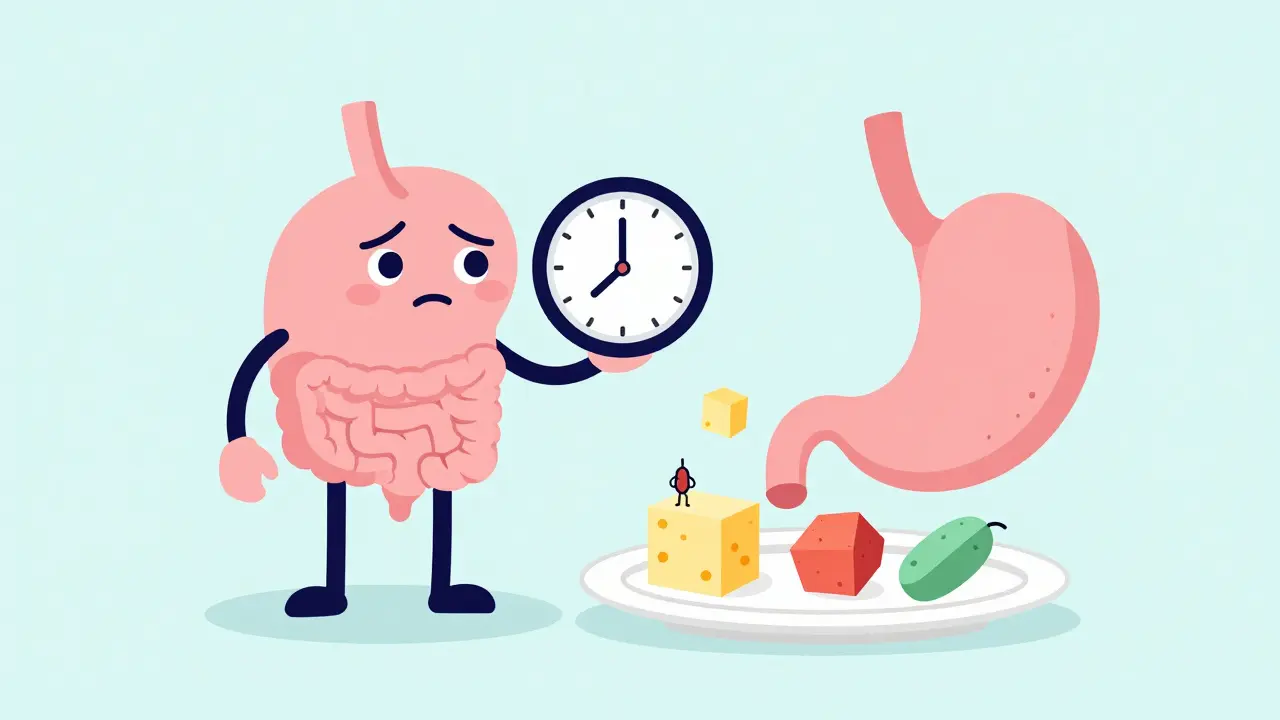
Timing is Everything: Enzymes need to meet food in the small intestine. For prescription PERT, you must take the dose immediately before eating-within 15 minutes. If you wait until you’re halfway through your meal, the enzymes will arrive too late, and the food will already be moving through your gut. For slow eaters, splitting the dose (half at the start, half midway) can improve symptom control by 35%, according to a trial in the Nutrition Journal.
Dosage Matters: More isn’t always better, but too little is useless. For prescription PERT, dosing is based on fat content. A general rule of thumb is 500 lipase units per gram of fat consumed. Most doctors recommend starting low (10,000 units per meal) and increasing by 10,000-unit increments weekly until symptoms improve, up to a maximum of 80,000 units per meal. For OTC supplements, follow the label instructions, but remember that "natural" doesn’t mean standardized. If you take an OTC blend, ensure it contains measurable amounts of protease, amylase, and lipase.
Avoid Acid Interference: Stomach acid kills many enzymes. If you take proton pump inhibitors (PPIs) like omeprazole for heartburn, you may reduce the efficacy of non-enteric coated OTC enzymes. Conversely, if you have low stomach acid (hypochlorhydria), some OTC enzymes with betaine HCl might help, but this should only be done under medical supervision to avoid damaging the esophagus.
Red Flags and Safety Concerns
Digestive enzymes are generally safe, but they are not harmless. There are specific scenarios where they can cause harm or signal a bigger problem.
Bezoar Formation: In rare cases (about 0.5% of PERT users), improper dosing or chewing enteric-coated capsules can lead to bezoars-hard masses of undigested food and medication in the stomach. This causes blockages and requires medical intervention. Always swallow prescription capsules whole.
Masking Serious Conditions: Persistent bloating, weight loss, or changes in bowel habits could be signs of celiac disease, inflammatory bowel disease (IBD), or even pancreatic cancer. Using OTC enzymes to mask these symptoms delays diagnosis. If you try enzymes for two weeks and see no improvement, stop and see a gastroenterologist.
Allergies: Since prescription PERT is porcine-derived, people with pork allergies cannot use it. Similarly, those allergic to fungal sources should avoid microbial OTC enzymes. Check the labels carefully.
What Experts Say
The medical community is divided on the role of OTC enzymes. Dr. Shane from University of Miami Health warns that OTC supplements are "not actually designed to treat gastrointestinal ailments" and that persistent symptoms warrant medical evaluation. He emphasizes that enzymes do not speed up metabolism or burn fat, debunking common marketing myths.
However, Dr. Schneider from Cleveland Clinic acknowledges that while large-scale trials are needed, studies show enzymes are well-tolerated and effective for reducing GI symptoms in functional disorders. The American Gastroenterological Association strongly recommends PERT for EPI but notes insufficient evidence for OTC enzymes in functional GI disorders outside of pancreatic issues.
The consensus is clear: Prescription enzymes are a proven treatment for EPI. OTC enzymes are a supportive tool for mild, situational digestive discomfort but should not replace medical diagnosis for chronic issues.
Can digestive enzymes help with weight loss?
No. Despite marketing claims, digestive enzymes do not increase metabolism or burn fat. Their sole function is to break down food into nutrients for absorption. In fact, by improving digestion, they may help your body absorb more calories, potentially leading to weight gain if you have malabsorption issues like EPI.
Is it safe to take digestive enzymes every day?
For people with diagnosed conditions like EPI or severe lactose intolerance, daily use is safe and necessary. For healthy individuals, long-term daily use of OTC enzymes is generally considered safe, but it may reduce your body's natural production of enzymes over time. It is best to use them only when needed for specific meals or symptoms.
What is the difference between lipase, protease, and amylase?
These are the three main types of digestive enzymes. Lipase breaks down fats, protease breaks down proteins, and amylase breaks down carbohydrates. If you struggle with greasy foods, you need lipase. If meat sits heavy in your stomach, you may need protease. For carb-heavy bloating, amylase is key.
Do I need a prescription for digestive enzymes?
You only need a prescription for high-potency Pancreatic Enzyme Replacement Therapy (PERT) used to treat Exocrine Pancreatic Insufficiency. Over-the-counter (OTC) digestive enzyme supplements are available without a prescription for general digestive support.
Why did my bloating get worse after taking enzymes?
This can happen if you have Small Intestinal Bacterial Overgrowth (SIBO). Enzymes break food into simple sugars, which can feed bacteria in the small intestine, causing increased fermentation and gas. It can also occur if the dosage is incorrect or if you are allergic to the enzyme source. Consult your doctor if this persists.