You take your blood pressure pill or daily pain reliever because you trust it works. You assume the generic version sitting in your pharmacy cabinet is just as safe and effective as the brand-name original. For decades, that assumption has held true for most patients. But recently, cracks have appeared in the foundation of that trust. Between 2018 and 2025, there were over 8,000 drug recalls linked to contamination issues. That number isn’t just a statistic; it represents millions of doses that failed quality checks, potentially exposing patients to carcinogens, incorrect dosages, or worse.
The scale of this problem is staggering. With approximately 90% of prescriptions in the United States filled with generic medications, any lapse in manufacturing quality affects a massive portion of the population. The global generic pharmaceutical market was valued at $461.2 billion in 2024, driven by its ability to save the U.S. healthcare system roughly $1.7 trillion over the past decade. However, this cost efficiency has increasingly clashed with rigorous quality control. As we look at recent cases from 2025 and early 2026, a pattern emerges: systemic failures in foreign manufacturing facilities are reaching American shelves faster than regulators can catch them.
High-Profile Contamination Cases: What Went Wrong?
To understand the risk, we need to look at specific examples where things went wrong. These aren't hypothetical scenarios; they are documented legal and medical realities affecting thousands of patients.
The most significant case involves Valsartan, a common blood pressure medication belonging to the class of drugs known as Angiotensin II Receptor Blockers (ARBs). Investigations revealed that Valsartan contained NDMA (N-Nitrosodimethylamine), a probable human carcinogen. By September 2025, there were 1,348 pending federal cases related to this contamination. The source was traced back to a manufacturing process change at ZHP (Zhejiang Huahai Pharmaceutical) in China. They introduced sodium nitrite into the production line without proper validation, resulting in NDMA levels up to 200 times the FDA's acceptable daily intake limit of 96 nanograms. Litigation data suggests alarming health outcomes, with exposed patients showing cancer rates 3.2 times higher than the general population.
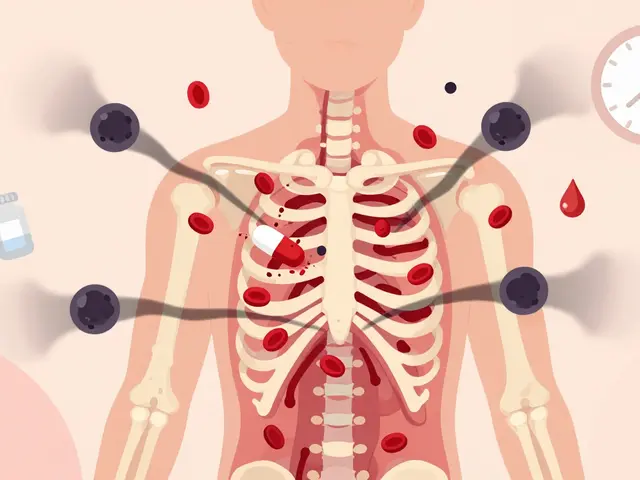
Another disturbing trend involves respiratory medications. In June 2025, lawsuits were filed against Walgreens regarding Mucinex products containing benzene. Independent testing found benzene concentrations up to 4.7 parts per million (ppm), well above the FDA’s strict threshold of 2 ppm. Benzene is a known cause of leukemia, and epidemiological studies indicate a 40% increase in leukemia risk with chronic exposure above this level. Plaintiffs reported developing bone marrow abnormalities after just 18 months of regular use.
In the oncology space, the stakes are even higher. A STAT News investigation in mid-2025 revealed that 17 chemotherapy drugs from Indian manufacturers failed dissolution testing. Twelve of these samples contained less than 80% of the labeled active ingredient concentration, falling short of the FDA’s required 85-115% range. This under-dosing led to treatment failures. For instance, patients receiving contaminated cisplatin experienced a 34% treatment failure rate compared to 12% for those on verified brands. One study at Memorial Sloan Kettering documented complete remission failure in 7 out of 11 patients receiving the substandard drug.
| Drug/Product | Contaminant/Issue | Source/Manufacturer Region | Health Impact |
|---|---|---|---|
| Valsartan | NDMA (Carcinogen) | ZHP (China) | Increased cancer risk (3.2x higher) |
| Mucinex | Benzene (>4.7 ppm) | Various (Global Supply Chain) | Bone marrow abnormalities, Leukemia risk |
| Cisplatin & Chemo Drugs | Under-dosing (<80% potency) | Indian Manufacturers | Treatment failure, Remission loss |
| Fentanyl Patches | Seal Failure/Leakage | Sandoz/Various | Potential overdose risks |
Why Is This Happening? Systemic Gaps in Oversight
If the FDA exists to protect public health, why do these contaminants reach patients? The answer lies in the structure of the global supply chain and regulatory limitations.
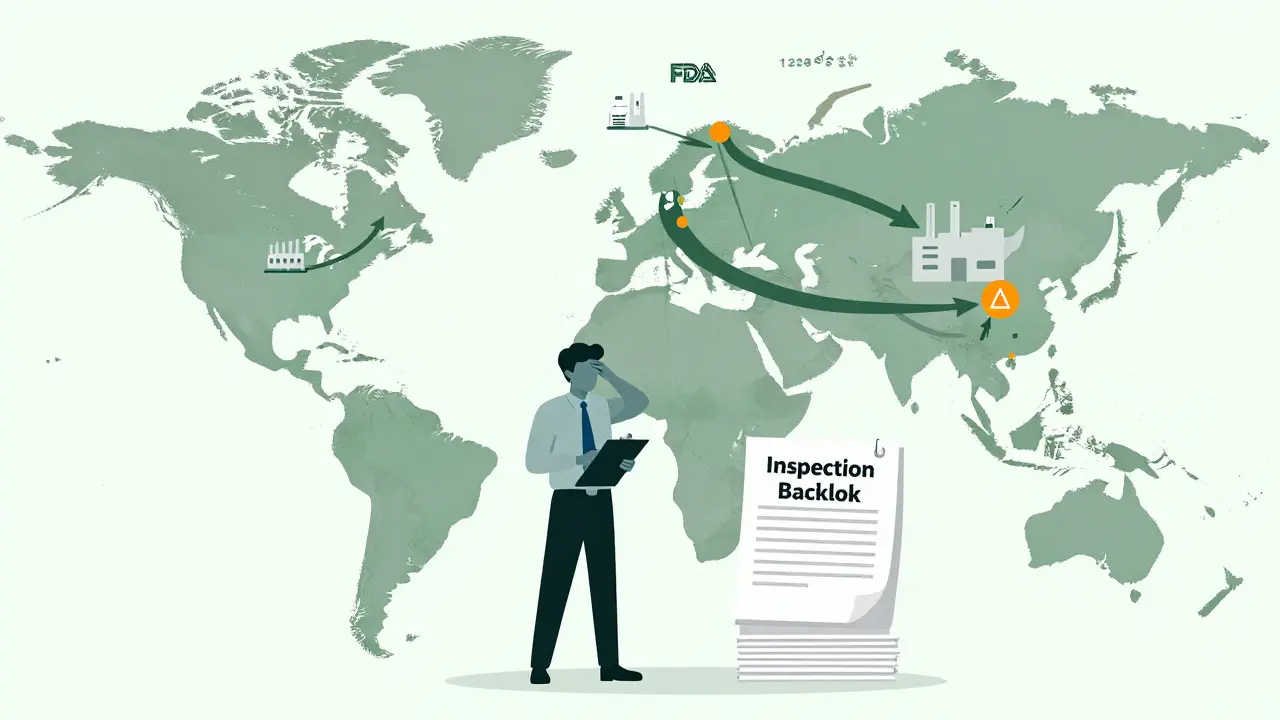
The modern generic industry relies heavily on foreign manufacturing. China produces 80% of the Active Pharmaceutical Ingredients (APIs) used in U.S. generics, while India manufactures 40% of the finished dosage forms. This reliance creates a geographic disconnect. The FDA’s 2025 budget allocated $78 million for foreign facility inspections, but this only covers about 1,200 inspections annually. Meanwhile, there is a backlog of 28,000 facilities requiring review. Consequently, only 13% of Indian drug plants are inspected each year, despite supplying a huge chunk of the U.S. market.
Furthermore, transparency has historically been low. Until recently, the FDA redacted drug names in inspection reports of foreign facilities, a policy criticized by ProPublica as ongoing since 2008. This prevented doctors and pharmacists from knowing exactly which batches or manufacturers had issues. While the FDA announced a "Name Transparency Initiative" in September 2025 to address this, implementation remains slow.
There is also a cultural and regulatory gap in some manufacturing regions. Dr. Dinesh Thakur, a former pharmaceutical whistleblower, noted that some governments prioritize protecting their domestic industries over enforcing strict quality standards. At Intas Pharmaceuticals’ facility in Ahmedabad, inspectors found a "cascade of failure," including shredded records and acid-poured documents, leading to widespread shortages and quality concerns.
Prevention Strategies: How to Protect Yourself
While systemic change takes time, patients and healthcare providers can take immediate steps to mitigate risk. Here is how you can navigate the current landscape safely.
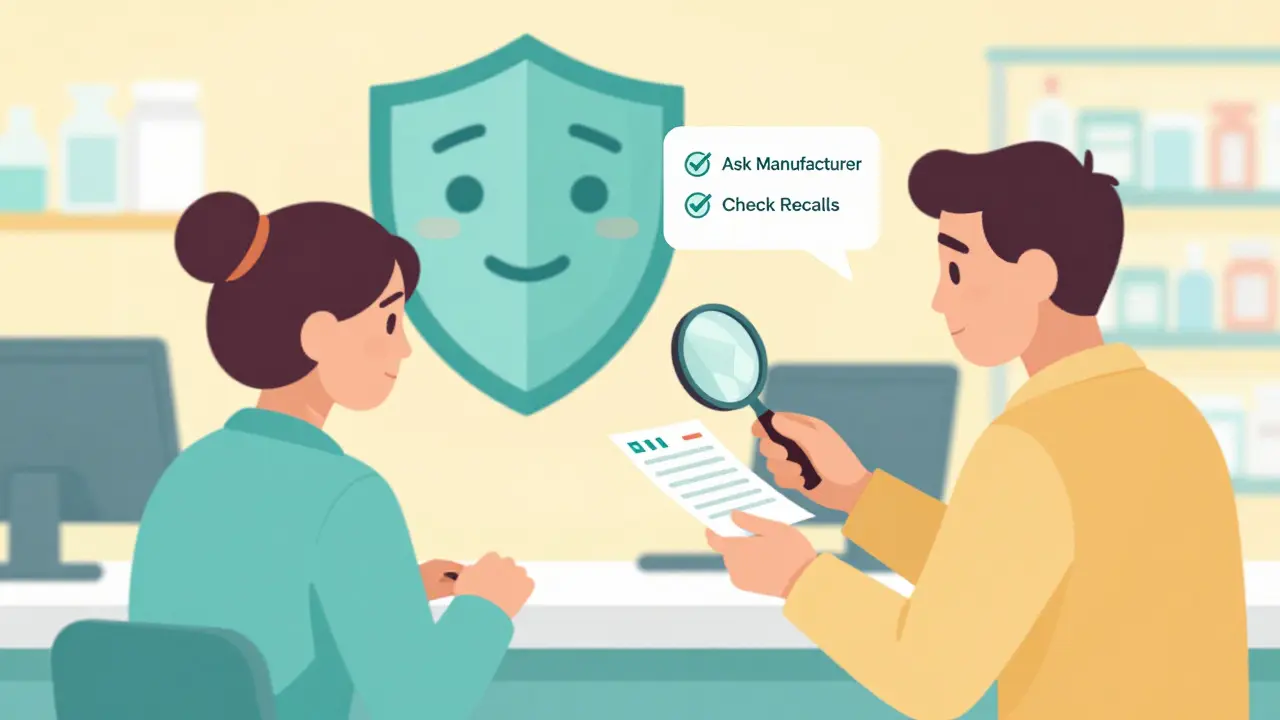
- Ask About the Manufacturer: Pharmacists now spend 22% more time verifying drug sources since 2020. Don’t hesitate to ask your pharmacist which manufacturer produced your specific batch. If you have a history of sensitivity or if you are taking high-risk medications like ARBs or thyroid hormones, request consistency in the manufacturer.
- Monitor Recall Lists: Check the FDA recall database weekly. Many pharmacists already do this, but patient awareness adds a layer of safety. Look specifically for alerts related to NDMA, benzene, or dissolution failures.
- Consider Brand-Name Alternatives for Critical Meds: For life-saving medications like chemotherapy or certain heart drugs, discuss with your doctor whether staying on the brand-name product is worth the extra cost. The peace of mind and guaranteed potency may outweigh the savings.
- Watch for Physical Changes: If your pills change color, size, or taste unexpectedly, stop taking them and consult your pharmacist immediately. This could indicate a different manufacturer or a formulation issue.
The Future of Generic Drug Safety
Regulators are not standing still. The FDA’s "Pharmaceutical Quality for the 21st Century" initiative, updated in 2023, pushes for risk-based manufacturing approaches. However, adoption is slow. Only 37% of foreign facilities have implemented Process Analytical Technology (PAT) systems as of 2025. PAT allows for real-time monitoring of drug quality during production, rather than relying on end-of-line testing.
New legislation is also on the horizon. The Generic Drug User Fee Amendments (GDUFA III), enacted in June 2025, introduce mandatory real-time stability testing for high-risk products. Additionally, the Drug Supply Chain Security Act (DSCSA) requires full electronic tracing by 2027, aiming to close the traceability gaps that allow contaminated batches to slip through. Currently, only 62% of pharmacies can fully verify product tracing information.
Looking ahead to the 2026-2030 strategic plan, the FDA aims to reduce contamination recalls by 50% using AI-powered predictive analytics and blockchain-based supply chain verification. Industry experts remain cautious. Without meaningful penalties and independent oversight, the root causes-cost-cutting and inadequate inspection resources-may persist. The upcoming test trials in the Valsartan litigation in late 2025 will likely set critical legal precedents, potentially forcing manufacturers to disclose internal safety data much earlier.
Are all generic drugs unsafe?
No, the vast majority of generic drugs are safe and effective. The contamination issues represent a small but significant fraction of the total market. However, vigilance is necessary, especially for high-risk categories like cardiovascular and oncology drugs.
How can I tell if my medication has been recalled?
You can check the FDA’s official recall website or ask your pharmacist. Pharmacies often receive direct notifications from distributors. If you suspect your medication is affected, bring the bottle to your pharmacy for batch verification.
What is NDMA and why is it dangerous?
NDMA (N-Nitrosodimethylamine) is a probable human carcinogen. It was found in some generic versions of blood pressure medications like Valsartan due to manufacturing process changes. Long-term exposure to high levels of NDMA significantly increases the risk of developing cancer.
Should I switch back to brand-name drugs?
For most medications, generics are a safe and cost-effective choice. However, for narrow therapeutic index drugs (like thyroid hormone or anti-seizure meds) or critical treatments like chemotherapy, discussing brand-name options with your doctor may provide additional security against potency variations.
How does the FDA inspect foreign factories?
The FDA sends inspectors to foreign facilities to audit records, observe manufacturing processes, and test samples. However, due to budget constraints and the sheer number of facilities, only a small percentage (around 13% in India) are inspected annually, creating potential blind spots.