You grab a box of pain relievers or a cold remedy off the shelf, thinking it’s harmless because you don’t need a prescription. But that simple act can trigger a dangerous chain reaction inside your body if you’re already taking daily medications for heart disease, depression, or blood pressure. Over-the-counter (OTC) drugs are powerful medicines, and mixing them with prescription drugs is one of the most common causes of preventable hospital visits.
About 80% of American adults use at least one OTC medication every year. Yet, nearly two-thirds of patients never tell their doctors about these extra pills they take. This silence creates a blind spot where serious side effects-like internal bleeding, liver failure, or dangerously high blood pressure-can slip through the cracks unnoticed until it’s too late.
The Hidden Danger of 'Double Dosing'
One of the sneakiest ways OTC meds cause harm isn't through chemical reactions between different drugs, but through medication overlap, which is accidentally taking too much of the same active ingredient from multiple sources. The biggest culprit here is acetaminophen, also known as Tylenol. It is a widely used pain reliever and fever reducer found in hundreds of products.
You might take a pill for a headache and then drink a multi-symptom cold syrup later that day, not realizing both contain acetaminophen. The safe limit for adults is generally 4,000 milligrams per day. Exceeding this dose can lead to acute liver failure, a life-threatening condition. Many people unknowingly push past 7,000mg by combining products without checking the labels. Always read the "Drug Facts" panel on the back of every bottle. If you see acetaminophen listed, stop and calculate your total intake for the day.
NSAIDs: The Silent Threat to Your Heart and Stomach
Nonsteroidal anti-inflammatory drugs (NSAIDs) like ibuprofen (Advil, Motrin) and naproxen (Aleve) are popular OTC options for reducing inflammation and pain. While effective, they carry significant risks when mixed with certain prescriptions.
If you take blood thinners like warfarin (Coumadin), an anticoagulant used to prevent blood clots, adding an NSAID can increase your risk of bleeding by 2 to 4 times. This isn't just a bruise; it can mean severe gastrointestinal bleeding or even brain hemorrhage. Similarly, if you are on SSRIs (selective serotonin reuptake inhibitors) for depression, such as fluoxetine or sertraline, combining them with NSAIDs raises the risk of stomach bleeding by up to 10 times.
There is also a specific issue for heart patients. Many doctors prescribe low-dose aspirin to keep blood platelets from sticking together. However, if you take ibuprofen regularly, it can block aspirin from working properly. To avoid this, you must time your doses carefully: take ibuprofen at least 30 minutes before or 8 hours after your aspirin dose. Naproxen is generally considered safer to combine with aspirin than ibuprofen is, but you should always check with your doctor first.
Blood Pressure and Kidney Risks
If you have hypertension, your prescription medications are working hard to keep your numbers down. Antihypertensive agents include ACE inhibitors, ARBs, and diuretics, which are drugs designed to lower blood pressure and reduce fluid volume. Taking OTC NSAIDs can undo this progress. Studies show that using NSAIDs alongside blood pressure meds can raise systolic blood pressure by 5 to 15 mmHg. That spike puts extra strain on your heart and kidneys.
Your kidneys filter waste from your blood, and some OTC meds make this job harder. For example, sodium phosphate laxatives (like Fleet enemas) combined with diuretics or ACE inhibitors can cause acute kidney injury, especially if you already have reduced kidney function. Even antacids containing aluminum or magnesium can interfere with how well your body absorbs heart medications like digoxin, reducing their effectiveness by up to 25%.
Cold Remedies and Serotonin Syndrome
When you have a cough or congestion, you might reach for a product containing dextromethorphan, a common cough suppressant found in many OTC cold medicines. On its own, it’s safe. But if you are taking antidepressants, specifically MAO inhibitors or certain SSRIs/SNRIs, dextromethorphan can trigger serotonin syndrome, a potentially life-threatening condition caused by excessive serotonin levels in the brain.
Serotonin syndrome symptoms include confusion, rapid heart rate, high blood pressure, dilated pupils, and muscle rigidity. It requires immediate emergency care. Other OTC ingredients to watch out for include decongestants like pseudoephedrine, which can raise blood pressure and interfere with thyroid medications like levothyroxine. If you take thyroid meds, wait at least four hours after taking your prescription before consuming any calcium, iron, or acid-blocking PPIs like omeprazole, as these can block absorption.
How to Safely Manage Your Meds
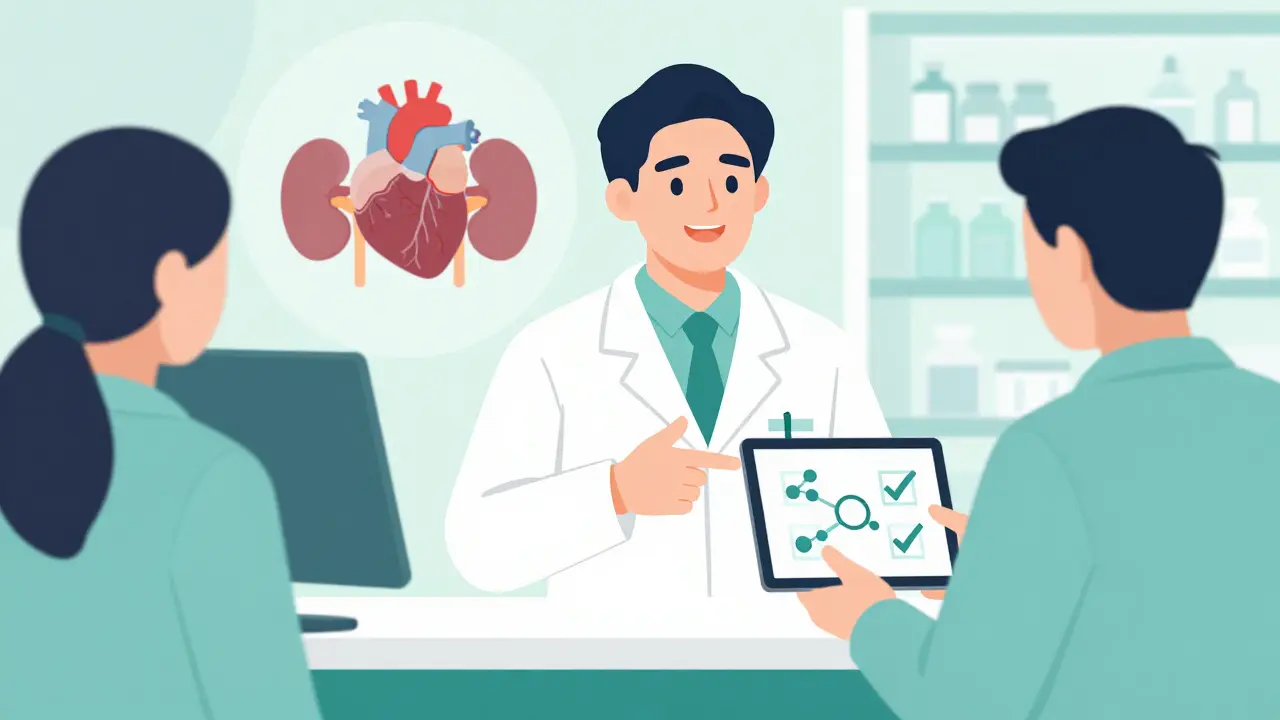
Preventing these interactions doesn't require a medical degree, just a bit of diligence. Start by creating a master list of everything you put in your body. This includes prescription drugs, OTC meds, herbal supplements, and vitamins. Share this list with your doctor and pharmacist at every visit. Pharmacists are the best resource for spotting conflicts because they specialize in how drugs interact chemically.
Use digital tools to help. Online drug interaction checkers, like those provided by major health organizations, allow you to type in your medications and get instant feedback on potential clashes. Look for alerts marked "Major" or "Contraindicated." These mean you should not take the combination without explicit doctor approval.
Be wary of "multi-symptom" products. A single cold capsule might treat fever, pain, congestion, and cough. If you only have a cough, you’re swallowing unnecessary ingredients that could interact with other meds. Stick to single-ingredient products whenever possible so you know exactly what you are taking.
| Prescription Drug Class | Dangerous OTC Partner | Potential Risk |
|---|---|---|
| Blood Thinners (Warfarin) | NSAIDs (Ibuprofen, Naproxen) | Severe internal bleeding |
| SSRI Antidepressants | NSAIDs | Gastrointestinal bleeding |
| MAO Inhibitors | Dextromethorphan | Serotonin syndrome |
| Blood Pressure Meds | NSAIDs & Decongestants | Elevated blood pressure |
| Levothyroxine | Antacids / Iron Supplements | Reduced medication absorption |
| Any Liver-Stressed Patient | Acetaminophen (Multiple Products) | Liver failure |
Frequently Asked Questions
Can I take Tylenol with my prescription medications?
Generally, acetaminophen (Tylenol) has fewer drug interactions than NSAIDs. However, you must be careful not to exceed 4,000mg per day. If you have liver disease or drink alcohol regularly, your safe limit may be lower. Always check other OTC products for hidden acetaminophen to avoid accidental overdose.
Which pain reliever is safest if I am on blood thinners?
Acetaminophen is usually the safest option for people taking blood thinners like warfarin, as it does not significantly increase bleeding risk. Avoid NSAIDs like ibuprofen or naproxen unless your doctor explicitly approves them, as they can cause severe internal bleeding.
Do herbal supplements interact with prescription drugs?
Yes, absolutely. Herbs like St. John’s Wort can reduce the effectiveness of birth control pills, antidepressants, and heart medications. Garlic and ginkgo biloba can increase bleeding risk when taken with blood thinners. Treat supplements with the same caution as OTC drugs and disclose them to your pharmacist.
How long should I wait between taking my prescription and an OTC med?
It depends on the specific drugs. For example, if you take levothyroxine, wait at least 4 hours before taking calcium or iron-containing antacids. For aspirin and ibuprofen, separate them by 30 minutes to 8 hours. When in doubt, ask your pharmacist for a specific timing schedule based on your unique regimen.
What are the signs of a serious drug interaction?
Watch for unusual symptoms such as extreme drowsiness, confusion, rapid heartbeat, difficulty breathing, unexplained bruising or bleeding, yellowing of the skin (jaundice), or sudden changes in blood pressure. If you experience these after starting a new OTC med, seek medical attention immediately.