Buying a generic drug should be simple. You walk into the pharmacy, get a cheaper version of your brand-name medicine, and go on with your day. But what if that pill doesn’t look right? What if it’s not working like it used to? You’re not imagining things - counterfeit drugs are real, and they’re more common than most people think.
Legitimate generic drugs are just as safe and effective as their brand-name versions. The FDA requires them to have the same active ingredients, strength, dosage form, and route of administration. They must also prove they work the same way in your body - within 80% to 125% of the brand-name drug’s performance. That’s not a guess. It’s science. In fact, a 2021 study of over 2,000 approved generics found that 98.7% met these strict bioequivalence standards. The median difference in how your body absorbs the drug was less than 1%.
So why do people worry? Because counterfeits look convincing. They’re made to fool you. And they’re often sold through fake websites, street vendors, or even unlicensed pharmacies. The World Health Organization estimates that 1 in 10 medical products in low- and middle-income countries are fake. But even in places like the U.S. and Australia, you’re not immune. In 2022, the FDA received over 1,200 reports of counterfeit drugs - many involving heart medications and erectile dysfunction pills.
What Makes a Generic Drug Legitimate?
A legitimate generic drug isn’t a copy. It’s a legally approved equivalent. It’s made by a company that passed rigorous inspections and submitted proof to the FDA (or Health Canada, EMA, or TGA in Australia) that it works just like the brand-name drug.
Here’s what you should expect:
- Same active ingredient: If your brand-name drug is lisinopril 10mg, the generic is lisinopril 10mg. No exceptions.
- Same dosage form: Tablet, capsule, liquid - it matches.
- Same strength and route: If you take it by mouth, the generic is taken by mouth. Same dose.
- Same bioequivalence: It gets into your bloodstream at the same rate and amount as the brand.
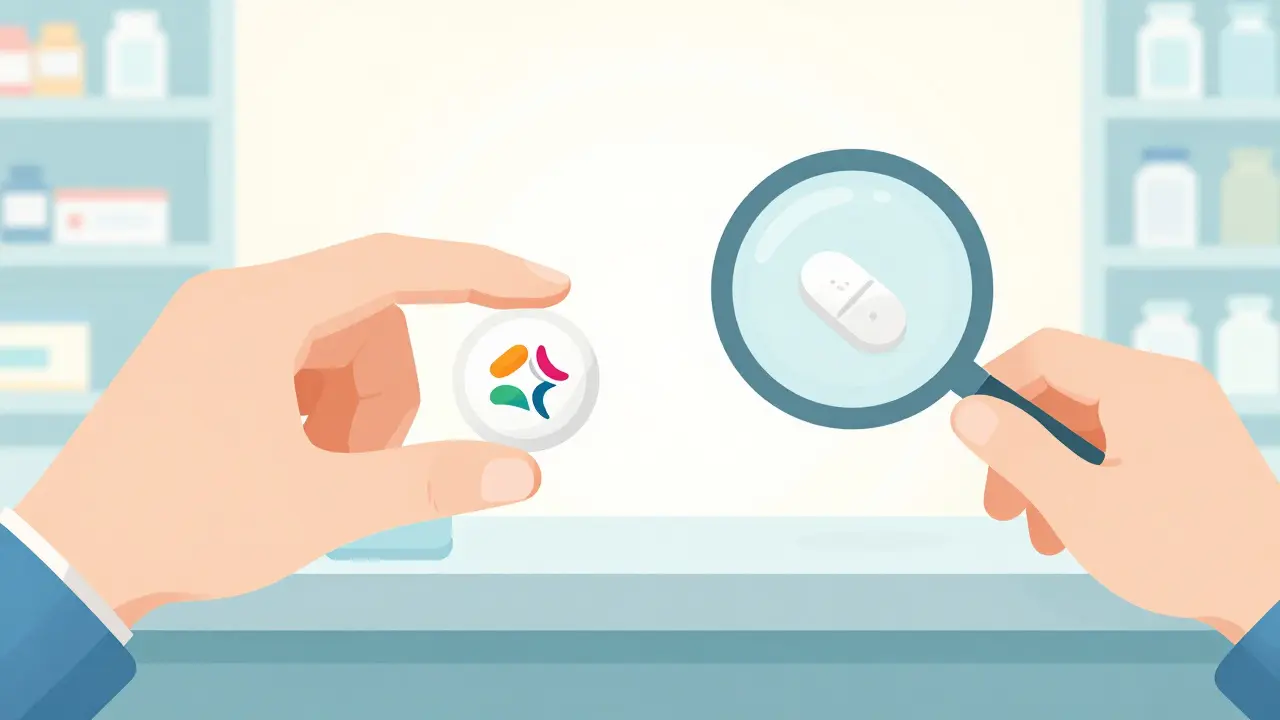
What can be different? The inactive ingredients. That’s why the color, shape, or taste might change. A brand-name pill might be blue and oval. The generic could be white and round. That’s normal. It’s not a fake. It’s just the manufacturer avoiding trademark infringement.
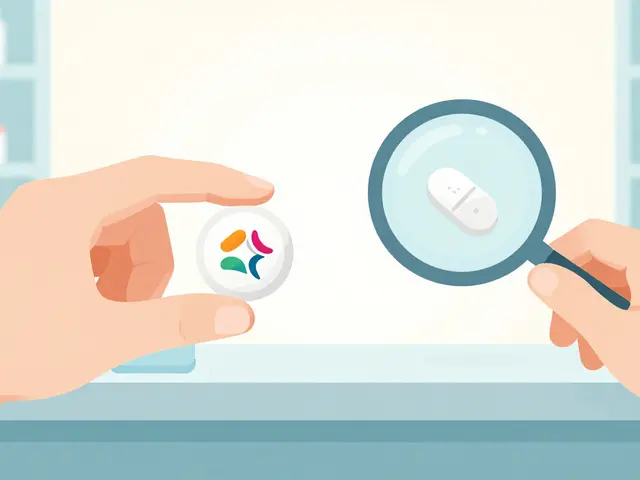
Legitimate generics also have clear, printed markings - numbers, letters, or logos - stamped into the pill. These are called imprints. They help identify the drug and manufacturer. A fake pill might have a blurry imprint, no imprint at all, or one that doesn’t match any known drug.
How to Spot a Fake Generic Drug
You don’t need to be a pharmacist to tell the difference. Here are the red flags that show up again and again in counterfeit cases:
- Cracked, crumbly, or powdery pills: Legitimate pills are solid. If it breaks apart when you handle it, walk away.
- Bubbled or uneven coating: A smooth, even surface is standard. Bubbles, wrinkles, or flaking suggest poor manufacturing.
- Wrong color or shape: If your new refill looks completely different from your last one - and you didn’t switch manufacturers - ask your pharmacist.
- Misspelled labels or incorrect dosage: "Lisinopril" spelled "Lisinopril"? "10mg" written as "10mg"? That’s a red flag.
- Foreign language on the label: If you’re in Australia and the packaging has Chinese, Russian, or Spanish text, it’s likely illegally imported.
- Loose pills in a plastic bag: Legitimate pharmacies always dispense prescription drugs in labeled containers with the pharmacy name, date, and your details.
- Unusual smell or taste: If your new generic has a chemical, sour, or metallic aftertaste - especially if your old one didn’t - stop taking it.
One of the most common signs? Crooked or poorly aligned labels. According to the California State Board of Pharmacy, 78% of counterfeit drugs reported to the FDA had misaligned or wrinkled labels. It’s a cheap, sloppy mistake.
Where to Buy Generic Drugs Safely
Not all pharmacies are created equal. The safest place to get your generics? A licensed, physical pharmacy - the kind with a pharmacist on-site who can answer your questions.
If you’re buying online, here’s how to check:
- Look for the .pharmacy web address. This is a verified seal from the National Association of Boards of Pharmacy (NABP). As of 2023, only 62 online pharmacies in the U.S. had this accreditation.
- Check if the site requires a valid prescription. Any site that sells pills without one is breaking the law.
- Verify the pharmacy’s physical address and phone number. Call them. If they don’t answer or give a vague response, walk away.
- Search the pharmacy’s name on the FDA’s MedWatch database. If there are complaints, don’t buy.
Brands like Teva, Sandoz, Mylan (now Viatris), and Apotex are among the largest legitimate generic manufacturers. They’re inspected regularly. Their products show up in the FDA’s Orange Book - the official list of approved generics. You can search it yourself at fda.gov/orangebook.
How to Verify Your Generic Drug
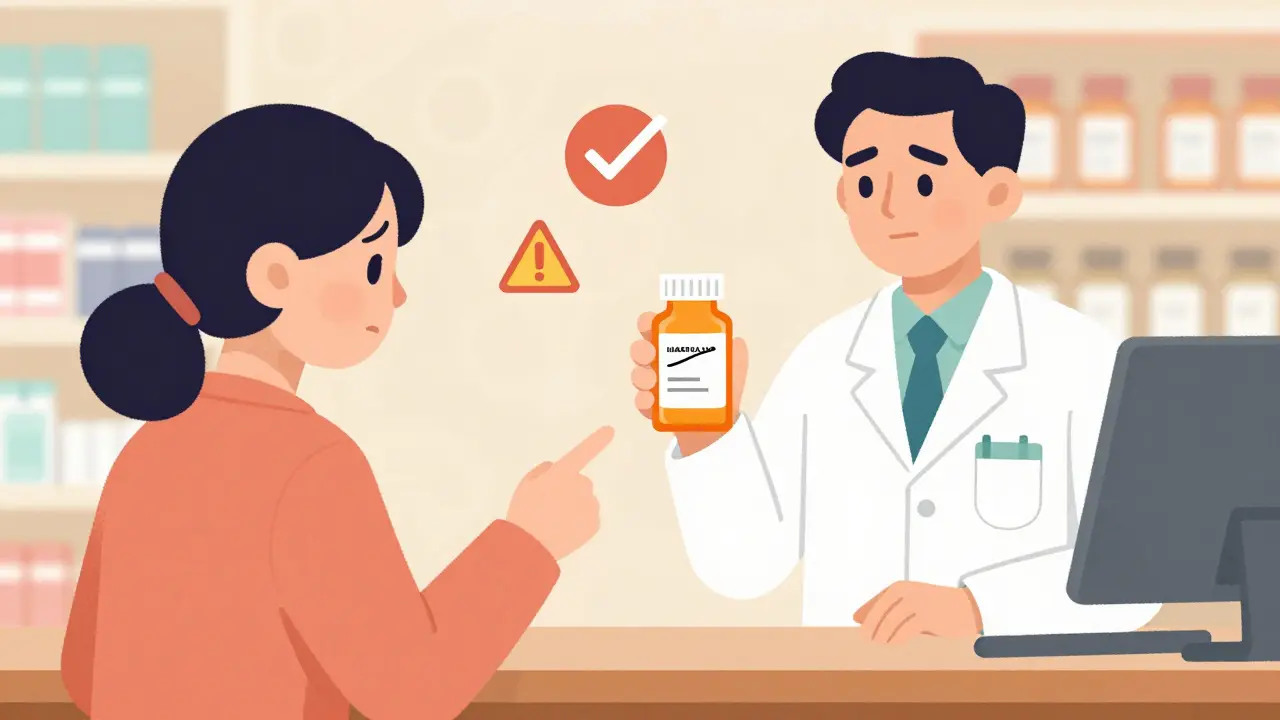
Here’s a simple 5-step check you can do every time you pick up a new generic prescription:
- Check the pharmacy: Is it a licensed, local pharmacy? Or a website you found on a social media ad?
- Compare the pill: Look at the color, shape, and imprint. Does it match your last refill? If it’s different, ask why. Legitimate generics change appearance - but your pharmacist should explain it.
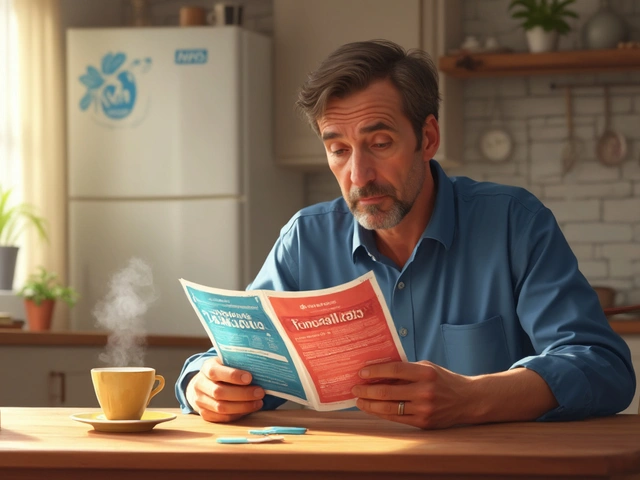
- Read the label: Does it have the drug name, strength, manufacturer, lot number, and expiration date? All of these are required by law.
- Verify the lot number: Go to fda.gov/safety/recalls and enter the lot number. If the drug was recalled, you’ll see it.
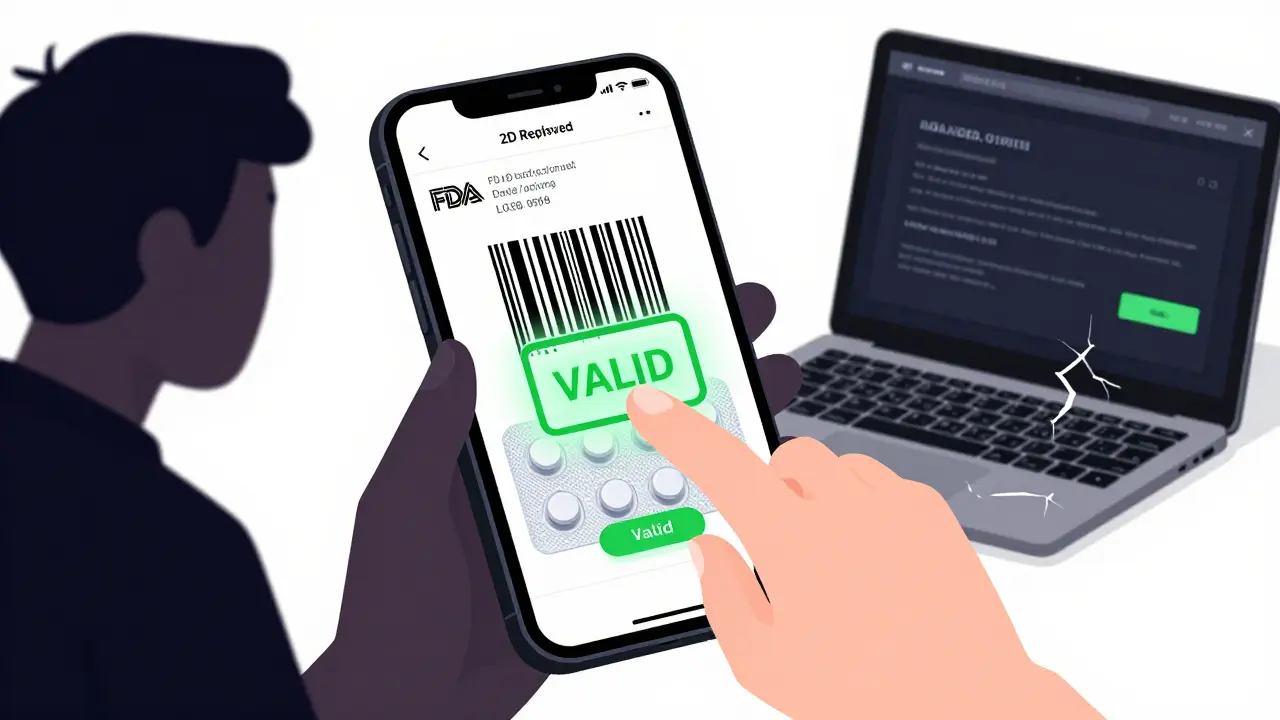
- Use a verification app: Apps like MediSafe let you scan the 2D barcode on newer generic packaging. It pulls up the drug’s official details in seconds.
That whole process takes less than five minutes. And it could save your life.
What to Do If You Suspect a Fake
If something feels off - the pill looks wrong, it doesn’t work, or you got it from a sketchy source - don’t just toss it. Report it.
Here’s what to do:
- Take the medication back to your pharmacy. Ask them to check it.
- Call your local health department or the TGA (Therapeutic Goods Administration) in Australia.
- Report it to the FDA’s MedWatch program - even if you’re outside the U.S. They track global counterfeit trends.
- Keep the packaging and pill. Don’t throw it away. It’s evidence.
Between 2020 and 2022, over 40% of counterfeit drug reports came from people who noticed a change in how the medicine worked - like sudden loss of effect or new side effects. If you’ve been taking your generic for years and suddenly feel worse, it’s not just in your head.
Why Legitimate Generics Are Safe - and Why They’re Cheaper
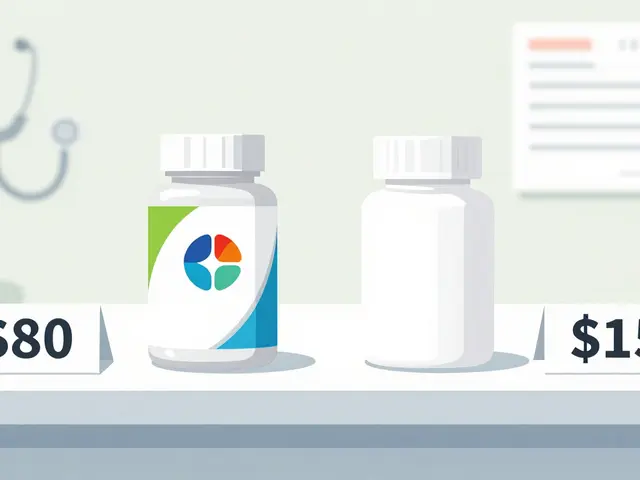
Some people think generics are cheap because they’re low quality. That’s not true. They’re cheap because they don’t need to repeat expensive clinical trials. The brand-name company already proved the drug works. The generic maker just has to prove theirs works the same way.
In the U.S., generics saved $373 billion in 2022 alone. In Australia, the PBS (Pharmaceutical Benefits Scheme) saves billions every year by encouraging generic use. You’re not getting a second-rate product. You’re getting the same drug, at a fraction of the cost.
Manufacturers like Teva and Sandoz invest millions in quality control. They’re inspected over 2,500 times a year by the FDA. Their factories follow strict cGMP (Current Good Manufacturing Practices) rules. That’s why 98.4% of generic applications pass quality review on the first try.
Counterfeits, on the other hand, are made in unregulated labs - sometimes in basements. They might have too little active ingredient, too much, or none at all. Some contain rat poison, paint, or floor cleaner. There’s no quality control. No inspections. No accountability.
What’s Changing in 2026
The fight against counterfeit drugs is getting smarter. By late 2023, all prescription drugs in the U.S. were required to carry unique serial numbers - like a barcode you can scan to trace the drug back to the factory. In 2024, the FDA will launch a public dashboard where you can check if your drug’s chain of custody is legitimate.
AI tools are now being tested to analyze pill images with 99.2% accuracy. In the next few years, your smartphone might be able to tell you if a pill is real just by taking a photo.
But technology won’t replace common sense. The best defense is still knowing what to look for - and where to buy.



swati Thounaojam January 8, 2026
Got a generic pill last week that looked totally different-white instead of blue-and I panicked. Called my pharmacist, they said it’s normal, showed me the imprint. Phew. Never thought I’d be so attached to pill shapes.
Ken Porter January 9, 2026
Why are we even talking about this? In America, we have the FDA. If it’s on the shelf, it’s safe. Stop feeding fear porn from sketchy blogs. Buy your generics like a grown-up.
Molly Silvernale January 10, 2026
There’s something profoundly poetic about the quiet rebellion of a generic pill: same chemistry, different color, no brand halo-just science, stripped bare of marketing’s glitter. It’s capitalism’s quietest act of humility. The pill doesn’t care if you paid $2 or $200-it just does its job. And isn’t that the definition of dignity? The absence of pretense? The pill doesn’t need your approval. It just works. And maybe that’s the most revolutionary thing left in this world.
Joanna Brancewicz January 12, 2026
Pharmacovigilance protocols for generics are non-negotiable under cGMP. Bioequivalence thresholds are tightly regulated-within 80–125% AUC and Cmax. The FDA’s Orange Book is the canonical source. Any deviation warrants a MedWatch report. Don’t guess. Verify.
Evan Smith January 13, 2026
So… if my generic blood pressure pill is now a tiny green circle instead of a big blue oval, and it still stops my heart from doing the cha-cha, I’m good? Cool. I’ll just keep taking it and pretending I know what ‘bioequivalence’ means.
Luke Crump January 14, 2026
They say generics are safe. But who’s really safe? The system? The corporations? Or just the people who don’t ask questions? I’ve seen pills that looked like they were molded by a drunk robot. And now they’re in your grandma’s medicine cabinet. This isn’t medicine. It’s a lottery. And we’re all playing with our lives.
Manish Kumar January 16, 2026
You know, in India, we’ve been using generics for decades because we had no choice. But here’s the thing-most of us never had the luxury of brand-name drugs. So we learned to read the imprint, check the batch, ask the pharmacist. We didn’t need an FDA to tell us what to believe. We learned from experience. And honestly? The generics we get here are often better made than the ones you import from shady online pharmacies. It’s not about where it’s made-it’s about who made it. And if you trust the manufacturer, you don’t need a label to tell you it’s real.
Dave Old-Wolf January 17, 2026
I used to worry about generics too. Then I started checking the lot number on the FDA recall site. Every time. Takes 30 seconds. Never found a problem. Also, my pharmacist knows me by name now. That’s worth more than any brand logo.
Prakash Sharma January 19, 2026
America thinks it’s the only country that knows how to make medicine? Please. I’ve seen Indian generics in rural clinics that outperformed U.S. brand-name drugs. The real issue? You’re scared of cheap. You think expensive = better. That’s not science. That’s propaganda. Our generics are cheaper because we don’t pay for ads, fancy packaging, or CEO yachts. They work. And they save lives. Stop acting like the U.S. invented medicine.