Acetazolamide: What You Need to Know
If you’ve been prescribed acetazolamide, or you’re just curious about it, you’re in the right spot. This medication isn’t as common as some, but it plays an important role in treating certain health issues. Let’s talk about how acetazolamide works, what it’s used for, and what you should watch out for.
What Does Acetazolamide Treat?
Acetazolamide is mainly used to reduce fluid build-up in the body or help with specific eye conditions and altitude sickness. It works by balancing chemicals and fluids, especially by helping your kidneys get rid of excess bicarbonate, which lowers pressure in the eyes and helps the body manage fluids.
Common uses include treating glaucoma, a condition that causes increased pressure in the eye, preventing and reducing symptoms of altitude sickness, and sometimes as part of epilepsy treatment to control seizures.
Because acetazolamide alters the balance of acids and bases in the body, doctors carefully decide its use to match your condition and medical history.
What Should You Watch Out For?
While acetazolamide can be incredibly helpful, it isn't without side effects. Some people feel tired or dizzy, and others might notice changes in taste or increased urination. More rarely, it could cause allergic reactions or kidney stones. It’s crucial to stay hydrated and follow your doctor’s instructions on dosage closely to avoid problems.
One important tip: don’t stop taking acetazolamide suddenly without talking to your doctor—it needs proper guidance to avoid any health risks. Also, let your healthcare provider know if you have kidney, liver, or electrolyte problems before starting treatment.
Finally, if you’re traveling to high altitudes and want to prevent sickness, acetazolamide can be a good option, but proper timing in taking the medication makes a big difference.
In summary, acetazolamide is a useful medication with clear benefits in certain conditions, but like all meds, it requires careful use. Keep communication open with your doctor, ask questions when you’re unsure, and monitor any side effects promptly.
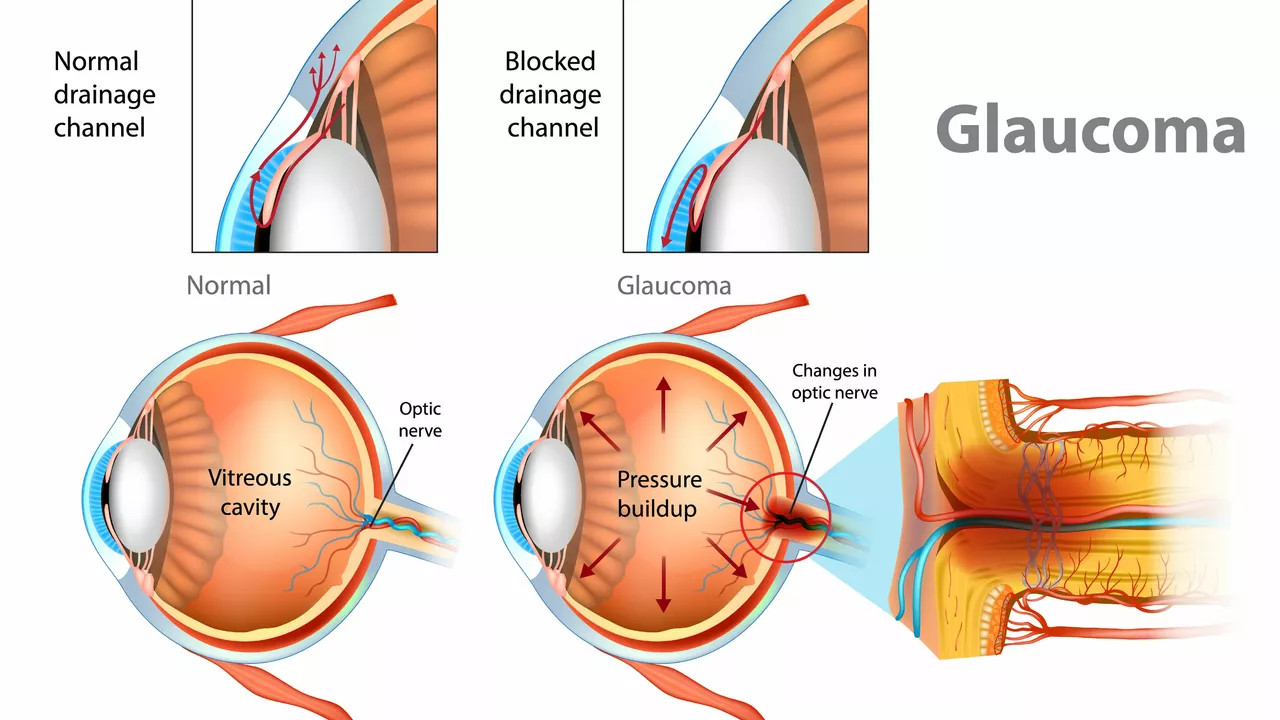
Acetazolamide vs. Other Glaucoma Medications: A Comparison
In my latest blog post, I've compared Acetazolamide with other glaucoma medications. I found that Acetazolamide, a carbonic anhydrase inhibitor, works differently by reducing the production of eye fluid to lower pressure. However, other drugs like prostaglandin analogs increase fluid outflow. Side effects also differ, with Acetazolamide causing frequent urination and tingling in fingers and toes, while others may cause eye color changes. The choice between Acetazolamide and other treatments really depends on individual patient needs and responses.