Amoxicillin: What It Is, How It Works, and What You Need to Know
When you have a bacterial infection—like a bad sinus infection, ear infection, or pneumonia—your doctor might reach for amoxicillin, a broad-spectrum antibiotic in the penicillin family used to treat common bacterial infections. Also known as Amoxil, it’s one of the most prescribed antibiotics in the world because it works well, is usually well-tolerated, and comes in forms that kids and adults can take easily. But it’s not magic. It doesn’t touch viruses like colds or the flu. Taking it when you don’t need it doesn’t help you—it just makes future infections harder to treat.
Amoxicillin works by stopping bacteria from building their cell walls. Without a strong wall, the bacteria fall apart and die. It’s effective against many common bugs, including strep, some types of pneumonia, and urinary tract infections. But it’s not the right choice for everything. If you’ve ever had a penicillin allergy, a reaction to penicillin-based antibiotics that can cause rashes, swelling, or life-threatening breathing trouble, you shouldn’t take amoxicillin. That’s not a guess—it’s a hard rule. Even a mild rash from penicillin in the past means you need a different antibiotic. And if you’ve taken amoxicillin before and got diarrhea or a yeast infection, that’s common, but it’s still worth tracking. Antibiotics don’t just kill bad bacteria—they mess with your gut flora, too.
Some people think taking more amoxicillin or taking it longer will make it work better. That’s not true. Overuse leads to resistance. Bacteria adapt. Soon, the drug won’t work at all. That’s why doctors are more careful now. They won’t prescribe it for every sniffle. They’ll wait, test, or try something else first. If you’re on amoxicillin, finish the whole course—even if you feel better. Stopping early lets the toughest bacteria survive and multiply. And if you’re taking other meds—like birth control, methotrexate, or probiotics—amoxicillin can interfere. It doesn’t always, but it can. Always tell your pharmacist what else you’re taking.
You’ll find posts here that dig into real-world issues with amoxicillin: how it interacts with other drugs, what side effects actually happen, why some people get rashes that aren’t allergies, and how to tell if your infection even needs an antibiotic at all. Some posts talk about when to skip it, when to push back, and what alternatives exist if amoxicillin fails or causes problems. You’ll see how it compares to other antibiotics, how often it’s misused, and what to do if you’ve had a bad reaction. This isn’t just a drug guide—it’s a practical toolkit for making smarter choices when antibiotics come up.
Roxithromycin vs. Other Antibiotics: What Works Best and When
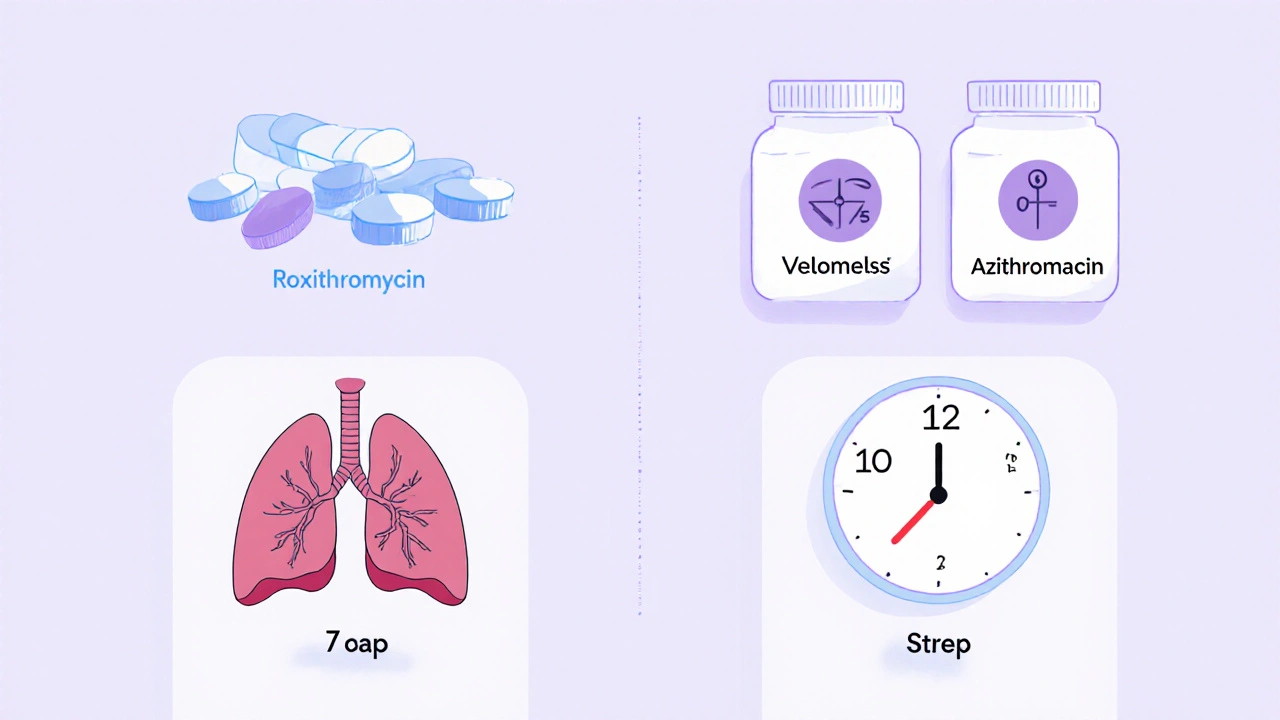
Roxithromycin is a macrolide antibiotic used for respiratory and skin infections. Compare it to azithromycin, clarithromycin, and amoxicillin to understand when it's the best choice - and when to avoid it.