Tricyclic Antidepressants: What They Are, How They Work, and What Alternatives Exist
When you hear tricyclic antidepressants, a class of prescription medications first developed in the 1950s to treat depression by balancing brain chemicals like serotonin and norepinephrine. Also known as TCAs, they were the go-to treatment before SSRIs came along—but they haven’t disappeared. Doctors still prescribe them, especially for depression that doesn’t respond to newer drugs, chronic nerve pain, or severe insomnia. Unlike newer antidepressants, TCAs affect multiple brain pathways at once, which makes them powerful but also more likely to cause side effects like dry mouth, drowsiness, weight gain, and dizziness.
Common names you’ll see include amitriptyline, a TCA often used for both depression and migraines or nerve pain, and nortriptyline, a less sedating version of amitriptyline that’s easier for older adults to tolerate. These aren’t just mood boosters—they’re used off-label for conditions like fibromyalgia, bedwetting in kids, and even some types of anxiety. But they’re not for everyone. People with heart problems, glaucoma, or a history of seizures need to be extra careful. That’s why many patients today start with something like sertraline or escitalopram, which are safer and have fewer side effects. Still, when those don’t work, TCAs can be the next step—and sometimes the only one that does.
What you’ll find in this collection isn’t just a list of drug names. It’s real-world comparisons: how tricyclic antidepressants stack up against other options like SSRIs, SNRIs, and even antipsychotics used for mood, based on actual patient experiences and clinical data. You’ll see how dosing works, why some people switch from amitriptyline to nortriptyline, and what to expect when you’re tapering off. There’s also insight into how these meds interact with other conditions—like high blood pressure, kidney health, or sleep disorders—that often come with long-term depression. This isn’t theory. It’s what people are actually dealing with when they’re trying to find relief.
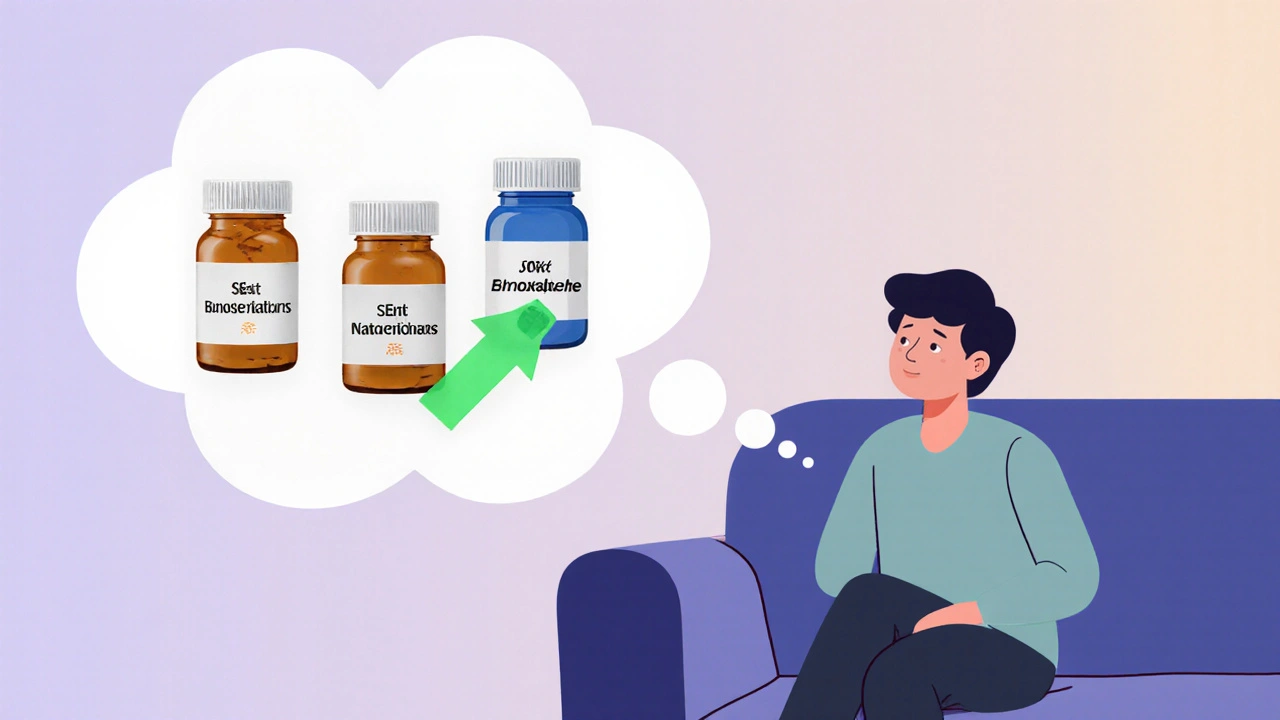
Compare Asendin (Amoxapine) with Other Antidepressants: What Works Best?
Compare Asendin (amoxapine) with SSRIs, SNRIs, and other tricyclic antidepressants. Learn when it’s effective, its risks, side effects, and best alternatives for treatment-resistant depression.