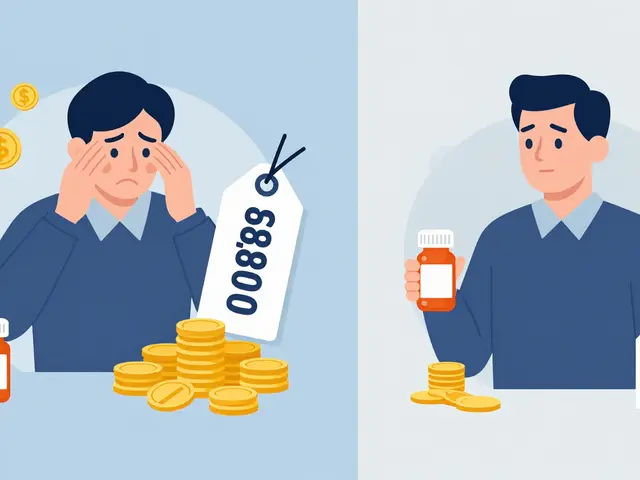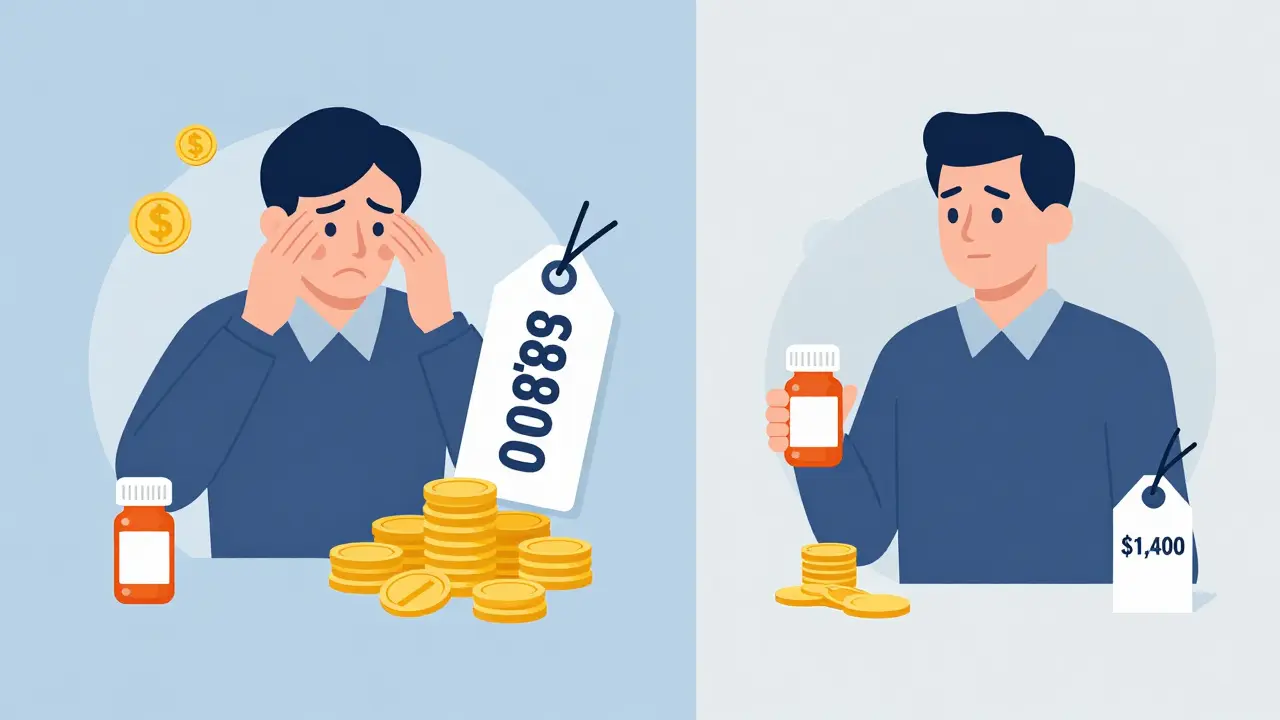
Imagine paying $88,800 a year for a medication that costs your neighbor in the UK only $1,400. This isn't a hypothetical scenario; it's the reality for people taking Galzin for Wilson's disease in the United States. While the U.S. makes up less than 5% of the world's population, it somehow generates about 75% of all global pharmaceutical profits. It's a staggering imbalance that leaves millions of Americans choosing between their health and their rent. So, why is the prescription drug prices situation in the U.S. so uniquely broken compared to the rest of the developed world?
The Missing Power to Negotiate
In most other wealthy countries, the government acts as a single, powerful buyer. They sit down with drug companies and say, "This is what we are willing to pay," and the companies comply if they want access to that market. In the U.S., for a long time, the government was legally banned from doing this for the largest group of patients: seniors.
The Medicare Modernization Act of 2003 is a piece of legislation that specifically prohibited Medicare from negotiating drug prices directly with manufacturers. This created a structural flaw that lasted for over two decades. Instead of getting a bulk discount, the U.S. government essentially let pharmaceutical companies set whatever price they wanted. While the Inflation Reduction Act is finally allowing some negotiations to start in 2026, it only covers ten drugs initially. For the vast majority of medications, the "sticker price" is still largely decided by the companies themselves.
The Middlemen: Who Are PBMs?
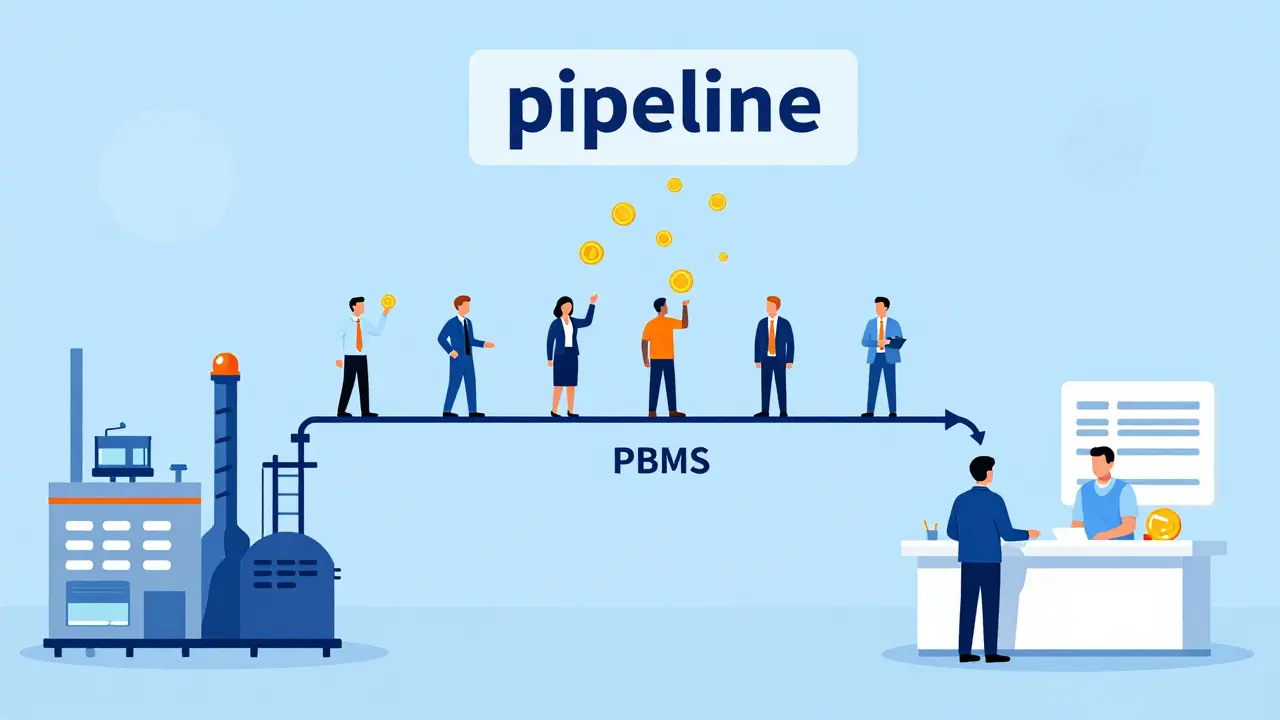
If you think the price goes straight from the factory to your pharmacy, think again. There is a complex layer of intermediaries called Pharmacy Benefit Managers, or PBMs, which are third-party administrators that manage drug formularies and negotiate rebates between insurers and manufacturers.
On paper, PBMs are supposed to lower costs. In reality, they've become vertically integrated giants. Because PBMs often make more money from larger "rebates" from manufacturers, they actually have a financial incentive to keep the list price of a drug high. Why? Because a higher list price allows for a bigger rebate, which pads the PBM's bottom line, even if the patient at the pharmacy counter is paying a higher co-pay based on that inflated list price. It's a system where the people meant to lower the cost are actually benefiting from it staying high.
| Feature | United States Model | OECD (UK, Germany, Canada) Model |
|---|---|---|
| Price Negotiation | Limited / Historically Prohibited | Centralized Government Negotiation |
| Price Controls | Market-Driven (High Autonomy) | Reference Pricing / Hard Caps |
| Intermediaries | Heavy Reliance on PBMs | Direct Gov-to-Manufacturer |
| Patient Cost | High Out-of-Pocket Variability | Standardized, Lower Co-pays |
The "R&D" Argument and the Profit Reality
Pharmaceutical companies often argue that high prices are necessary to fund Research and Development (R&D). The logic is that if they can't make a huge profit in the U.S., they can't afford to invent the next life-saving drug. However, the data tells a different story. With 75% of global profits coming from the U.S., the industry is incredibly lucrative.
The real cost drivers recently haven't been old medicines, but "specialty drugs." According to the IQVIA Institute, a global healthcare data science company, the U.S. market net prices grew by 11.4% in 2024. This spike was driven largely by new, high-cost medications for obesity and diabetes. When a new drug hits the market with a patent, the company has a temporary monopoly, and in the U.S., they can charge whatever the market will bear without fear of government price caps.
The Legal Maze: Patents and Market Exclusivity
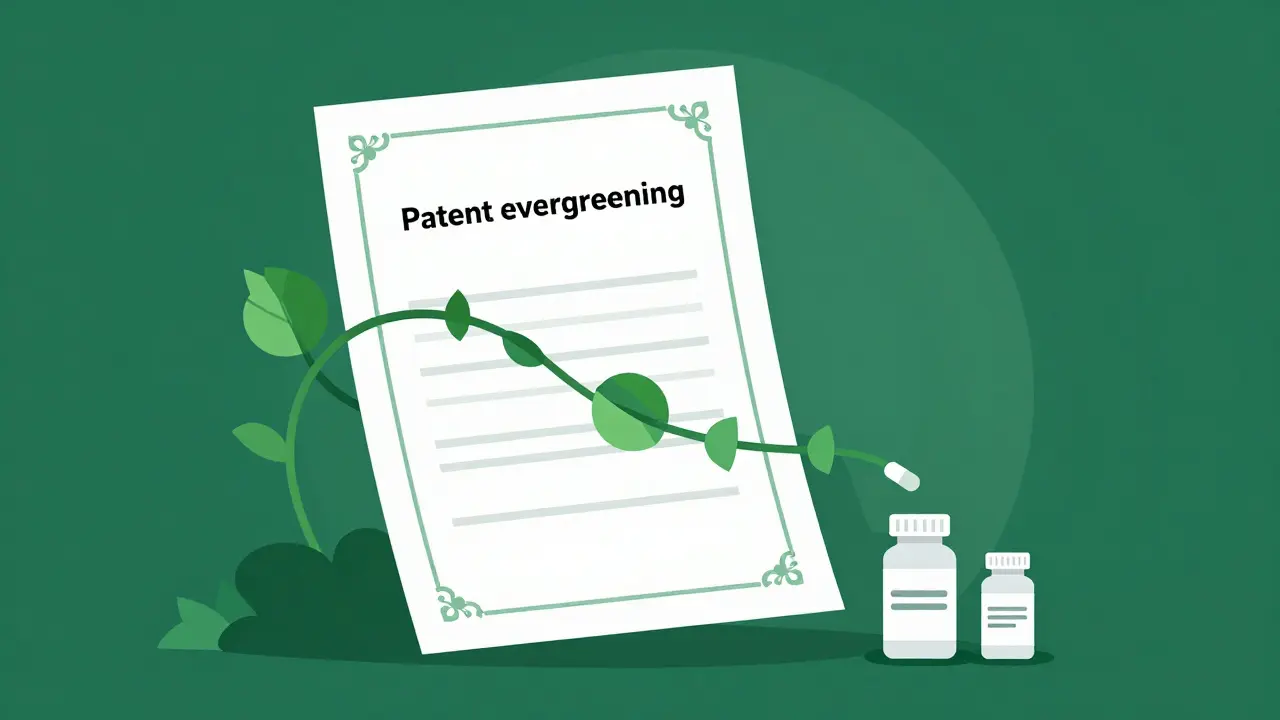
Ever wonder why some drugs stay expensive for decades? It's often due to "patent evergreening." Companies make slight modifications to a drug-like changing it from a tablet to a capsule-to file a new patent and extend their monopoly. This prevents cheaper Generic Drugs, which are medications created to be identical to a brand-name drug after the original patent expires, from entering the market.
This legal maneuvering ensures that the high prices persist long after the initial R&D costs have been recovered. When generics finally do arrive, they usually crash the price, but the path to getting there is blocked by expensive legal battles and strategic patent filings that keep the brand-name versions dominant.
Current Reform Efforts: Is Anything Changing?
There are attempts to fix this. The Inflation Reduction Act introduced a rebate system where drug companies must pay Medicare back if they raise prices faster than the rate of inflation. This has already impacted dozens of drugs, providing some relief to seniors.
We've also seen recent moves to bring the prices of popular weight-loss drugs like Ozempic and Wegovy down from over $1,000 to around $350 through specific deals. But these are targeted fixes. The broader issue remains: the U.S. is the only developed nation without a comprehensive, system-wide way to regulate drug prices. Until the government can negotiate prices for all medications-not just a handful-the disparity between U.S. costs and the rest of the world will likely persist.
Why doesn't the U.S. just cap drug prices like Canada or the UK?
The U.S. lacks a centralized health agency with the legal authority to set price caps across the board. Implementing this would require significant legislative changes and would likely face intense legal challenges from pharmaceutical companies who argue that price caps stifle innovation and violate patent laws.
Do PBMs actually help patients save money?
In theory, yes, by negotiating discounts. In practice, their business model often favors higher list prices to maximize the rebates they receive, which can actually increase the out-of-pocket costs for patients without insurance or those with high-deductible plans.
What is a "specialty drug" and why are they so expensive?
Specialty drugs are high-cost medications used to treat complex or rare conditions, such as cancer or endocrine disorders. They are expensive because they often involve complex biological manufacturing and target very small patient populations, allowing companies to charge a premium.
Will the Inflation Reduction Act lower my drug costs?
For Medicare beneficiaries, yes. It introduces a $2,000 annual out-of-pocket cap and allows the government to negotiate prices for specific high-cost drugs starting in 2026. However, these benefits primarily apply to those on Medicare, not necessarily those with private insurance.
Are generic drugs always cheaper?
Usually, yes. Generics compete on price, which drives costs down. However, some "biosimilars" (generics for complex biological drugs) can still be very expensive due to the high cost of producing them and the way insurers structure their coverage.
Next Steps for Patients Facing High Costs
If you're struggling to afford your medication, don't just stop taking it-that can be dangerous. Instead, try these steps:
- Ask about generics: Check if a generic or biosimilar version is available and if your doctor can switch your prescription.
- Patient Assistance Programs (PAPs): Many pharmaceutical companies offer programs that provide free or discounted drugs to people who meet certain income requirements.
- Use discount cards: Apps and websites can often find coupons that lower the price at the pharmacy counter, sometimes even below the insurance co-pay.
- Consult your pharmacist: Pharmacists often know about manufacturer coupons or alternative medications that are cheaper but just as effective.