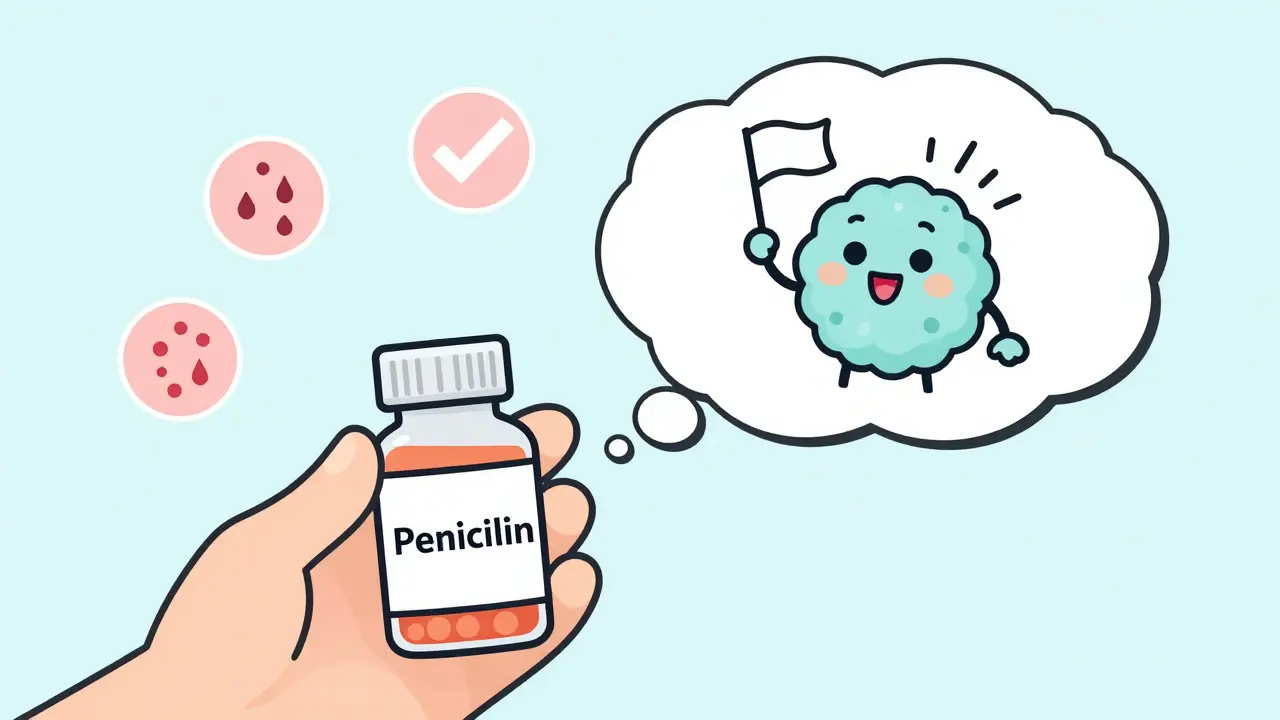
More than 10% of people in the U.S. say they’re allergic to penicillin. But here’s the twist: up to 90% of them aren’t. That’s not a typo. Most people who think they’re allergic to penicillin can safely take it again-after the right tests. The same goes for NSAIDs like aspirin and ibuprofen. The problem isn’t always a real allergy. It’s often a mislabeling, a bad reaction misremembered, or a side effect mistaken for an immune response. And when someone truly has a life-threatening reaction, there’s a way to get them the medicine they need anyway: desensitization.
What’s Really Going On With Penicillin Allergies?
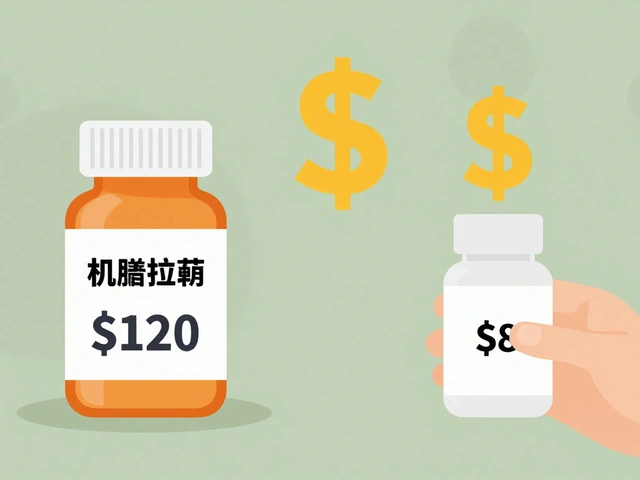
Penicillin is one of the most common drugs people say they’re allergic to. But here’s the reality: if you were told you had a penicillin allergy as a kid because you got a rash after taking amoxicillin, you might not actually be allergic. That rash? It could’ve been a viral infection, not an immune reaction. True penicillin allergies involve the immune system producing IgE antibodies that trigger symptoms like hives, swelling, trouble breathing, or low blood pressure within minutes to an hour after taking the drug. Skin testing is the gold standard for checking if you’re truly allergic. A small amount of penicillin and its breakdown products (like PPL and MDM) is placed under the skin. If there’s a raised bump or redness, it suggests IgE involvement. But here’s the catch: some people react to PPL alone-up to 70% of positive skin tests. That doesn’t mean they’re allergic to penicillin itself. It just means the test is overly sensitive. That’s why a negative skin test is followed by a drug challenge: giving a full dose of amoxicillin under supervision. If nothing happens, you’re not allergic. The result? Thousands of people are stuck with stronger, more expensive antibiotics like vancomycin or ciprofloxacin just because they were mislabeled. Studies show that mislabeling adds about $500 to a hospital stay. That’s not just a cost issue-it’s a public health issue. Overuse of broad-spectrum antibiotics fuels drug-resistant infections. Correcting penicillin allergy labels helps everyone.NSAID Allergies Are Different
NSAID allergies don’t work the same way as penicillin allergies. Most reactions to aspirin or ibuprofen aren’t IgE-mediated. Instead, they’re caused by how these drugs affect the body’s inflammatory pathways. People with asthma or nasal polyps are especially prone to this. Taking an NSAID can trigger wheezing, nasal congestion, or even anaphylaxis-but not because of antibodies. It’s a pharmacological reaction, not a true allergy. That’s why desensitization works differently here. For penicillin, you give tiny doses over hours until you reach the full dose. For NSAIDs, especially aspirin, you start with a very low dose-like 30 mg-and slowly increase it over days or weeks. The goal isn’t just to get through one dose. It’s to build lasting tolerance. Some patients take daily low-dose aspirin for months to manage their asthma or prevent heart attacks. This isn’t temporary tolerance like with penicillin. It’s a reset of the body’s response. This is why aspirin desensitization is used for people with Samter’s triad: asthma, nasal polyps, and NSAID sensitivity. Once desensitized, they can take NSAIDs safely and even reduce polyp growth. It’s one of the few treatments that actually changes the disease course.How Desensitization Works-Step by Step
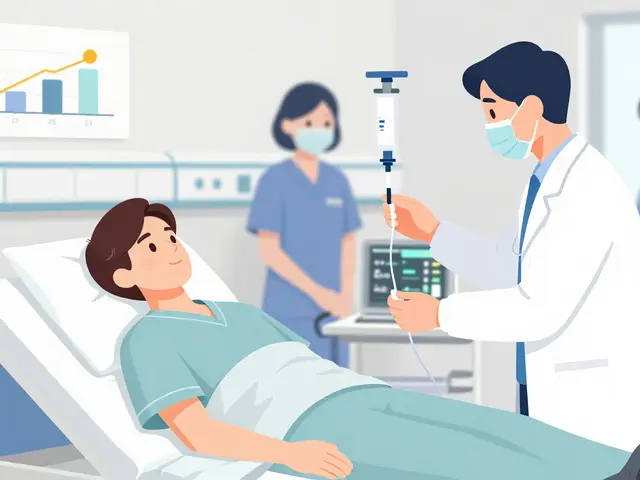
Desensitization isn’t magic. It’s a carefully controlled process that tricks the immune system into temporarily ignoring the drug. The body doesn’t forget the allergy. It just stops reacting-for now. For IV drugs like penicillin or chemotherapy agents, the most common method is the 12-step protocol. It starts with a solution 10,000 times weaker than the full dose. Each step doubles the amount every 15 to 20 minutes. After 4 to 8 hours, you reach the full therapeutic dose. For example, a patient needing ceftriaxone might start with 0.0001 mg and end with 1,000 mg. The entire process is done in a hospital, with emergency equipment and staff trained in anaphylaxis management. Some protocols are faster. At Brigham and Women’s Hospital, doctors have shortened beta-lactam desensitization to just 2 hours and 15 minutes by tripling the dose every 15 minutes. That’s possible because the drug is well-studied and reactions are predictable. But speed depends on the drug, the patient’s history, and the severity of past reactions. Oral desensitization works too. For drugs like fluconazole or itraconazole, patients take tiny pills or liquid doses that increase gradually over hours. Some patients even switch from IV to oral after desensitization. Once the full dose is reached, they continue the medication as needed. The key rule? Only do this if there are no safe alternatives. If you have a life-threatening infection and no other antibiotics work, desensitization is worth the risk. But if you can use azithromycin instead of penicillin? Skip it.
When Desensitization Is Necessary
Desensitization isn’t for everyone. It’s reserved for specific situations:- You have a confirmed immediate-type reaction (hives, swelling, breathing trouble within an hour) to a drug you absolutely need.
- No other drug works-or the alternatives are more dangerous. For example, a cancer patient allergic to paclitaxel might have no other chemotherapy options.
- You’re being treated for a severe infection like endocarditis or meningitis, and penicillin is the most effective drug.
- You have a chronic condition like rheumatoid arthritis and need a specific NSAID that triggers reactions.
The Risks and Limits
Desensitization isn’t risk-free. About 10% of patients have a reaction during the process. Most are mild-itching, flushing, nausea. But severe reactions like low blood pressure or throat swelling can happen. That’s why it’s never done in a doctor’s office. It requires an ICU-level setup: monitors, IV lines, epinephrine, oxygen, and staff trained to act fast. And here’s the big catch: the tolerance doesn’t last. Once you stop the drug, your immune system forgets it was okay. If you need the same drug again in a few weeks or months, you have to go through the whole process again. There’s no permanent cure. Also, if you have a history of severe reactions-like anaphylaxis with low blood pressure or airway swelling-you’re at higher risk during desensitization. Some protocols are adjusted for these patients, with slower increases and more monitoring. And yes, resensitization can happen. In about 2% of people who’ve been desensitized to penicillin and later re-exposed, the allergy comes back. That’s rare, but it’s why doctors don’t recommend repeated desensitizations unless absolutely necessary.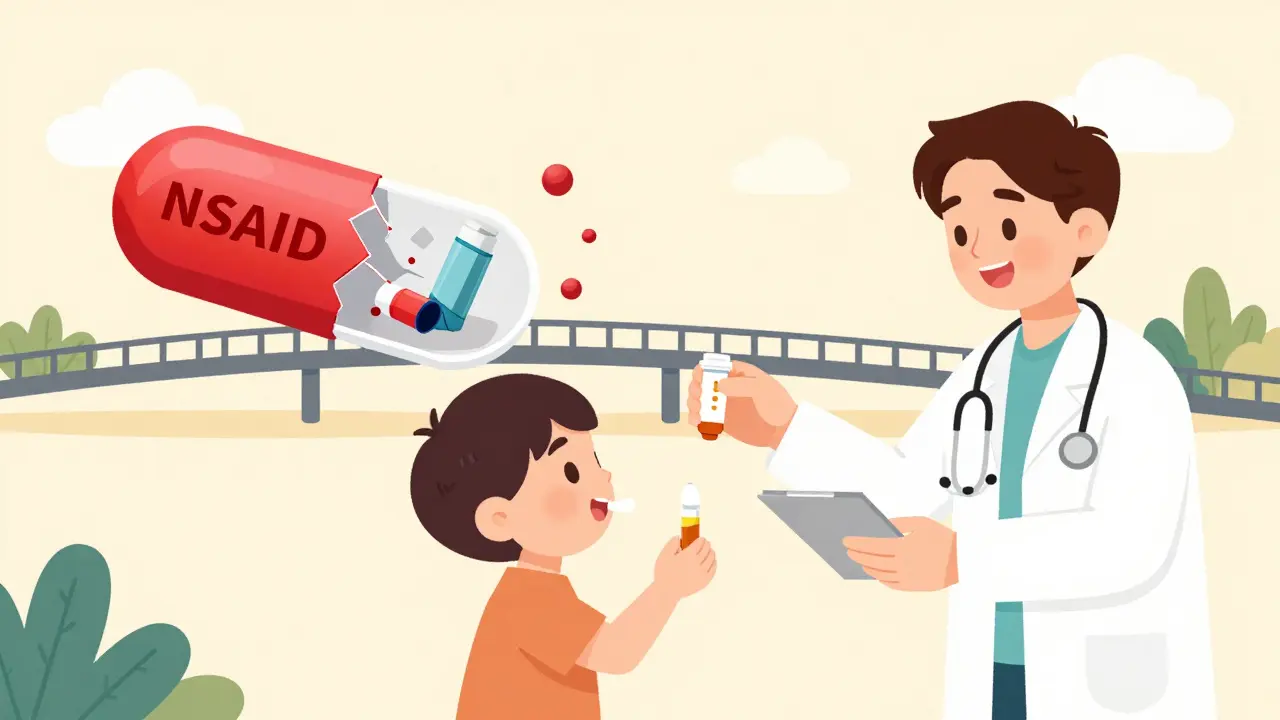
Who Should Do It-and How
This isn’t something a general practitioner can do. Desensitization requires an allergy specialist, a team trained in emergency response, and a controlled environment. Most hospitals with allergy departments have protocols in place. Academic centers like Brigham and Women’s, Mayo Clinic, and Johns Hopkins lead in this area. Before starting, you’ll need:- A detailed history of your reaction: what drug, what symptoms, how long after taking it?
- Documentation of past reactions, if available.
- Testing to confirm the allergy type (skin test, blood test, or challenge).
- A clear plan for why you need this drug and why alternatives won’t work.



Marian Gilan January 26, 2026
so like... what if the whole penicillin thing is just the government making us sick so we buy more expensive drugs? i heard they put tracking chips in antibiotics now. 🤔
Conor Murphy January 27, 2026
this is so important. my cousin was told she was allergic to penicillin as a kid and spent years on clindamycin until she got tested-turns out she’s fine. now she’s saving thousands a year. thank you for sharing this 💙
Conor Flannelly January 29, 2026
the real tragedy isn’t just the cost-it’s the quiet deaths from antibiotic resistance that no one talks about. we treat allergies like personal quirks, but mislabeling them is a public health grenade. we’re all paying for it, one superbug at a time. 🌍
Patrick Merrell January 31, 2026
why do hospitals still use these outdated protocols? someone’s making money off this. i bet the pharma lobby pushed the ‘just use vancomycin’ narrative. they don’t want you to know you can get penicillin for $5 instead of $800.
Simran Kaur January 31, 2026
in india, we don’t even get tested for allergies. if you sneeze after a pill, you’re labeled allergic forever. i had a friend who couldn’t take ibuprofen for migraines because of a rash from a cold she had as a kid. it broke my heart. this needs to change everywhere 🙏
Angie Thompson February 1, 2026
OMG I DIDN’T KNOW THIS!! I’ve been avoiding ibuprofen since I got a rash after a flu shot at 12. I’m booking an allergist appointment tomorrow!! 🙌 this could change my life 😭
Skye Kooyman February 1, 2026
so basically we’re all just guessing what our bodies do and doctors go along with it?
James Nicoll February 3, 2026
so the solution to a problem caused by doctors misdiagnosing things... is more doctoring? brilliant. next they’ll desensitize us to bad handwriting and insurance forms.
Uche Okoro February 5, 2026
The immunological paradigm shift regarding non-IgE-mediated NSAID hypersensitivity is profoundly underappreciated in primary care settings. The pharmacodynamic modulation of the arachidonic acid cascade via COX-1 inhibition precipitates a pseudoallergic response, distinct from classical anaphylatoxin-mediated pathways. This necessitates a paradigmatic departure from IgE-centric diagnostic frameworks.
Aurelie L. February 7, 2026
I once had a rash after penicillin. Now I can’t even look at a pill without sweating. My therapist says it’s trauma. I think it’s just common sense.
Joanna Domżalska February 7, 2026
so you’re telling me the whole medical system is just wrong and we should trust it more? sounds like a cult. maybe the real allergy is to trusting doctors.
Faisal Mohamed February 9, 2026
the desensitization protocols are essentially immunological hackathons-rewiring the innate immune memory through pharmacological entropy. fascinating, but ethically murky when applied to pediatric populations without longitudinal data. 🤖💊
Rakesh Kakkad February 10, 2026
Dear Sir/Madam, I am writing to express my profound gratitude for this meticulously researched exposition on penicillin and NSAID hypersensitivity. The scientific rigor and clarity of presentation are exemplary and warrant the highest academic recognition.
Karen Droege February 11, 2026
I’m a nurse who’s seen this too many times. A kid with meningitis gets penicillin because they’re allergic to everything else? No. We do the desensitization. We’ve saved lives. I’ve cried watching parents realize their child can now take aspirin for fever. This isn’t science fiction-it’s daily medicine. Do the test. Don’t assume. You’re not just saving money-you’re saving a future.