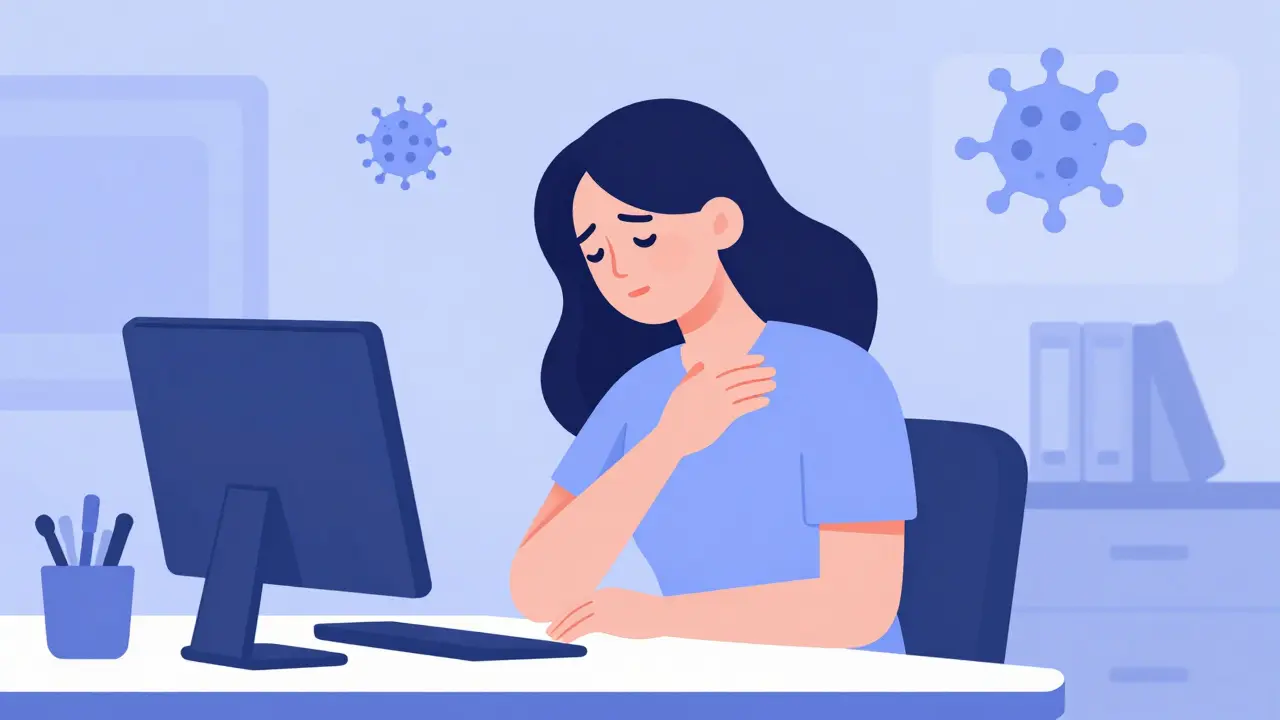
Have you ever dealt with that intense itchiness down there that makes sitting at your desk unbearable? You're definitely not alone. Candida vaginitis, often called yeast infection or clinically known as vulvovaginal candidiasis (VVC), affects approximately 75% of women during their reproductive years. It happens when the natural balance of your vaginal microbiota gets disrupted, allowing Candida species-specifically Candida albicans-to take over. About 80-90% of these cases involve this specific organism. While it sounds complicated, recognizing the signs and knowing your options can save you weeks of unnecessary discomfort.
Understanding what triggers this flare-up is half the battle. Most women harbor Candida organisms harmlessly in their bodies already; NCBI Bookshelf data shows they exist in 10-20% of asymptomatic women. The problem starts when something knocks out the good bacteria, specifically Lactobacillus speciesbeneficial bacteria that normally inhibit yeast. Recent antibiotic use is the biggest culprit, contributing to 30-50% of cases by wiping out these protective microbes. Other major risk factors include pregnancy, where elevated estrogen levels affect up to 20-30% of expectant mothers, and uncontrolled diabetes, which increases risk 2.3-fold if HbA1c levels sit above 7%. Even stress and immunosuppression play roles, particularly in patients with HIV counts below 200 cells/μL. Identifying these personal risk factors helps you understand why you might get infected more frequently than others.
Spotting the Signs of a Yeast Infection
You need to know exactly what you are dealing with before you reach for a tube of cream. Misdiagnosis happens in 50-70% of self-treated cases according to CDC data, which means you could be treating the wrong thing. The hallmark symptom reported by 97% of women is severe vulvar pruritus, or itching. Alongside this, many experience vaginal soreness (77%) and pain during intercourse, known as dyspareunia. Pay attention to your discharge too. Unlike bacterial vaginosis, a classic yeast infection typically produces thick, white discharge resembling cottage cheese. However, sometimes it appears yellowish or pinkish-green. Physical signs like redness (erythema) occur in 85% of cases, and swelling (edema) in 60%.
Differentiating between infection types is crucial because treatments vary wildly. Bacterial vaginosis usually smells fishy and has thin gray discharge, whereas yeast infections lack that strong odor. External dysuria, meaning burning when urine touches irritated skin, occurs in 25% of yeast cases. If you have fever, lower abdominal pain, or heavy bleeding, stop and call a doctor immediately. These indicate more serious conditions like pelvic inflammatory disease. Getting the diagnosis right the first time ensures you don't delay proper healing or waste money on ineffective creams.
Navigating Over-the-Counter Treatments
For uncomplicated cases, **over-the-counter options** offer a reliable solution without a prescription. The standard approach involves azole antifungals applied topically. The CDC 2021 Guidelines highlight three primary categories found in pharmacies worldwide. Clotrimazolean antifungal medication available in various strengths comes as a 1% cream used twice daily for two weeks, a 2% cream for three days, or vaginal tablets lasting 3-7 days. Miconazoleanother popular antifungal option is often sold as 2% cream for a week or suppositories. Then there is Tioconazoletypically offered as a single-dose ointment, which is convenient but requires precise application.
Efficacy matters more than brand loyalty. Clinical cure rates hover around 80-90% for uncomplicated infections caused by Candida albicans. Studies show no major difference in cure rates between single-dose, 3-day, or 7-day regimens, all landing near 85%. However, patient preference shifts based on lifestyle. Many users prefer the 7-day formulation because it spreads the cost and commitment over time. Real-world data from Amazon reviews of brands like Monistat 7 shows high satisfaction, with users noting improvements in severe itching by day 2. Conversely, suppository users often cite less mess, even if efficacy ratings are slightly lower. Remember that non-albicans species, which account for 5-10% of cases, respond much worse to standard azoles, dropping cure rates to 50-60%. If you've had multiple failed treatments, a lab test becomes essential.
| Medication Type | Typical Duration | Application Frequency | Cure Rate |
|---|---|---|---|
| Clotrimazole 1% | 14 Days | Twice Daily | 90% |
| Clotrimazole 2% | 3 Days | Once Daily | 85% |
| Miconazole 2% | 7 Days | Once Daily | 85% |
| Tioconazole 6.5% | 1 Day | Single Dose | 80% |
Getting the Most Out of Treatment
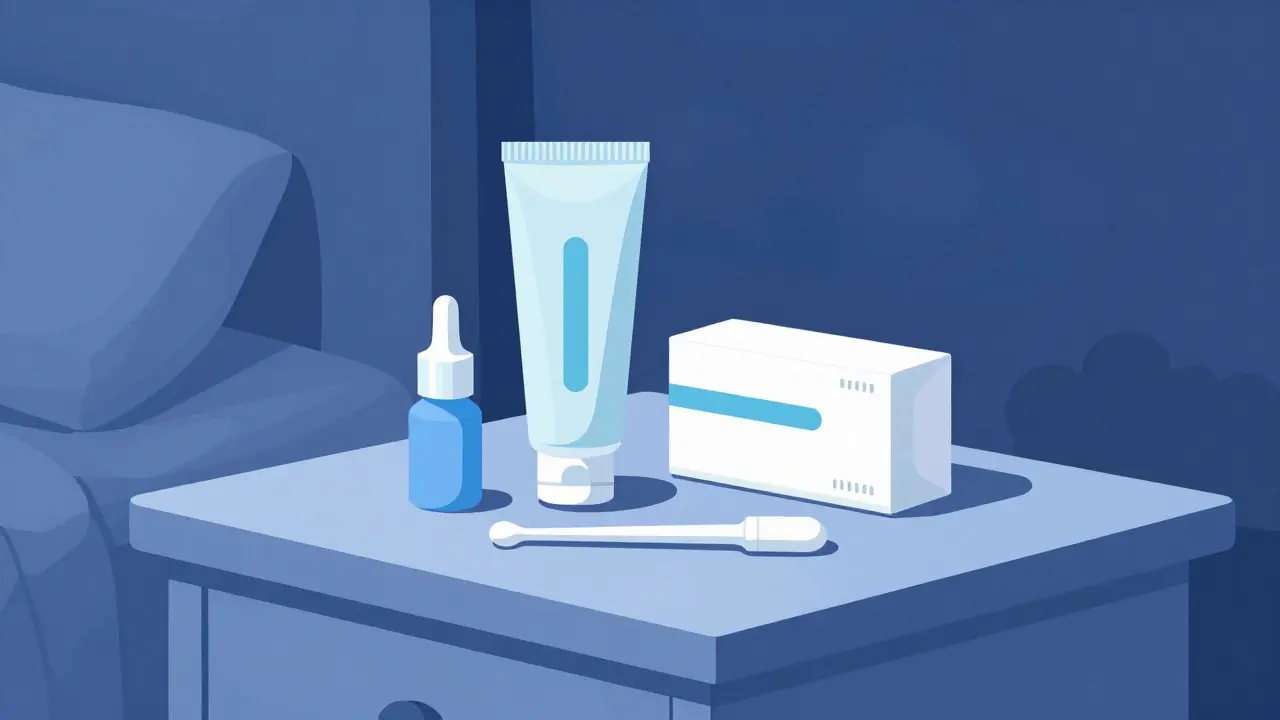
Buying the medicine is only step one; how you use it determines success. The CDC specifies applying topical antifungals at bedtime for optimal retention. A Johns Hopkins adherence study found 85% of successful treatments followed this timing. This prevents the cream from washing off during the day and allows deeper absorption. Critical success factors include finishing the full course. Medscape 2021 data indicates only 65% of users complete the regimen even after symptoms vanish. Stopping early invites recurrence. Avoid sexual intercourse during treatment too; doing so reduces efficacy by 30% due to friction and pH changes. Improper insertion techniques cause 70% of failures according to Virtus Medical analysis, so read the diagrams carefully. Place the applicator deep enough to ensure contact with the vaginal lining.
Emerging innovations are changing the landscape. Bayer received FDA approval in June 2023 for a new clotrimazole bioadhesive tablet designed to stay in place for 24 hours, showing 92% cure rates. As we move through 2026, telemedicine platforms are helping reduce misdiagnosis rates from 50% down to 28% using AI checkers aligned with CDC criteria. Long-term viability depends on addressing misuse. Organizations like ACOG advocate for mandatory pharmacist consultation for repeat purchases, which could cut inappropriate use by 40%. Be aware of resistance patterns. WHO reports from 2024 note that azole resistance now affects 7-10% of Candida glabrata isolates. Keeping an eye on new guidelines ensures you aren't fighting a resistant strain with outdated meds.

Recognizing When Professional Help is Needed
Sometimes home remedies aren't enough. You should discontinue therapy and seek medical evaluation if symptoms persist beyond 7 days or worsen. The American Academy of Family Physicians recommends seeing a specialist for severe inflammation, extensive erythema, or excoriations. Pregnant women must never use oral fluconazole; only topical azoles are safe for them. If you suffer from recurrent infections, defined as four or more episodes annually, you need prescription-strength therapy. High blood sugar, undiagnosed diabetes, or immune suppression also signals a need for deeper investigation. Documenting your symptoms helps your provider diagnose accurately, especially since 35% of treatment failures stem from improper OTC use.
The financial aspect plays a role here too. The global vaginal antifungal market was valued at $1.87 billion in 2022. While OTC products make up 65% of sales, healthcare disparities matter. Women earning less than $30,000 annually face 1.7 times higher incidence rates, likely due to access barriers. Seasonal patterns show 25% higher incidence in summer months, possibly due to moisture and sweating. Knowing your body's seasonal rhythms can help you prepare preventative measures beforehand.
Frequently Asked Questions
Can I use OTC treatment if I am pregnant?
Yes, but only topical azoles like clotrimazole or miconazole are recommended. Never use oral fluconazole during pregnancy as it poses risks to the fetus. Always consult your OB-GYN before starting any treatment while expecting.
How long does it take for symptoms to improve?
Most women report symptom relief within 24 to 72 hours of starting correct treatment. However, itching may linger slightly longer than discharge changes. If no improvement occurs after 72 hours, contact a healthcare provider immediately.
Why do yeast infections keep coming back?
Recurrent infections can result from underlying issues like uncontrolled diabetes, antibiotic use disrupting good bacteria, or resistant fungal strains. If you have four or more episodes in a year, medical supervision is required for maintenance therapy.
Is douching effective for preventing yeast infections?
No, douching is harmful. It removes beneficial Lactobacillus bacteria, actually increasing the risk of yeast overgrowth. Keep the area dry and breathable instead.
Can men get yeast infections?
Yes, men can develop balanitis caused by Candida, often transmitted sexually. However, OTC creams work similarly. If you are in a partnership, both partners may need treatment to prevent reinfection cycles.
Managing this condition requires patience and precision. By sticking to proven regimens and knowing when to escalate care, you protect your health efficiently. Listen to your body, trust the data, and prioritize safety over quick fixes.





Brian Shiroma April 3, 2026
This whole situation with yeast infections is basically a rite of passage that nobody tells you about properly.
Ace Kalagui April 4, 2026
When looking at vaginal health from a cultural perspective, we see patterns that are often overlooked.
Many communities prioritize holistic approaches rather than quick pharmaceutical fixes.
It is interesting how modern guidelines focus heavily on topical creams instead of diet.
Sugar intake plays a massive role in fungal growth according to various studies.
We tend to ignore the connection between gut health and vaginal flora balance completely.
Probiotic supplementation might actually work better than a single dose ointment for some people.
However, the convenience of OTC products cannot be understated for busy professionals today.
There is a real cost associated with ignoring preventative measures during high stress periods.
Antibiotic usage is the silent killer of beneficial Lactobacillus bacteria in our bodies constantly.
Without these protective microbes, any minor imbalance leads to significant discomfort quickly.
Patients often stop treatment once symptoms subside without finishing the full course properly.
This behavior creates resistance that complicates future episodes significantly for everyone involved.
Education regarding proper hygiene habits remains a critical component in managing recurrence rates effectively.
Breathable cotton underwear helps maintain a drier environment that discourages fungal proliferation naturally.
Ultimately, understanding your own body signals prevents unnecessary panic and excessive spending later.
Goodwin Colangelo April 4, 2026
I hear what you are saying about the lack of clear information.
It is really frustrating when symptoms appear out of nowhere.
Having the right knowledge beforehand saves so much unnecessary worry later on.
Rachelle Z April 4, 2026
Omg!!! The itching sounds terrible!!! 😫😭
This happens way too often!!!
Will Baker April 6, 2026
You guys are making this seem like a bigger problem than it actually is.
Most people handle these issues without breaking a sweat or buying fancy supplements.
The hype surrounding prevention is usually marketing noise designed to scare consumers.
Jenna Carpenter April 6, 2026
Thier is always somthing wrong with these medicinses.
People trust thier doctors then buy cheap stuff.
It is better to stick to the old ways sometimes i think.
I hope evryone listens to their intuition insted of ads.
Dee McDonald April 8, 2026
Relying solely on intuition puts you at serious risk of misdiagnosis.
You need evidence-based solutions to handle recurrent infections properly.
Trust the data instead of guessing games when dealing with health issues.
Aysha Hind April 10, 2026
The pharmaceutical industry loves pushing these cream solutions regardless of effectiveness.
Chemical additives in OTC meds cause more harm than good for sensitive tissues.
Real wellness comes from avoiding processed foods that feed the fungus internally.
simran kaur April 10, 2026
Your point about additives is valid but lacks nuance for general populations.
Standardized testing exists for a reason even if big pharma profits exist simultaneously.
Elitist views on health often overlook access barriers faced by lower income families daily.
Branden Prunica April 12, 2026
I would literally die before admitting this publicly.
Mark Zhang April 12, 2026
Talking openly about health reduces the shame associated with common conditions.
Sharing experiences helps others feel less isolated in their struggles.
Remember that seeking help is a sign of strength rather than weakness.
Hudson Nascimento Santos April 12, 2026
The philosophy behind health management involves balancing acceptance with proactive change.
Suffering becomes educational when we analyze root causes rather than suppressing symptoms.
True wisdom lies in knowing when to treat physically versus holistically.