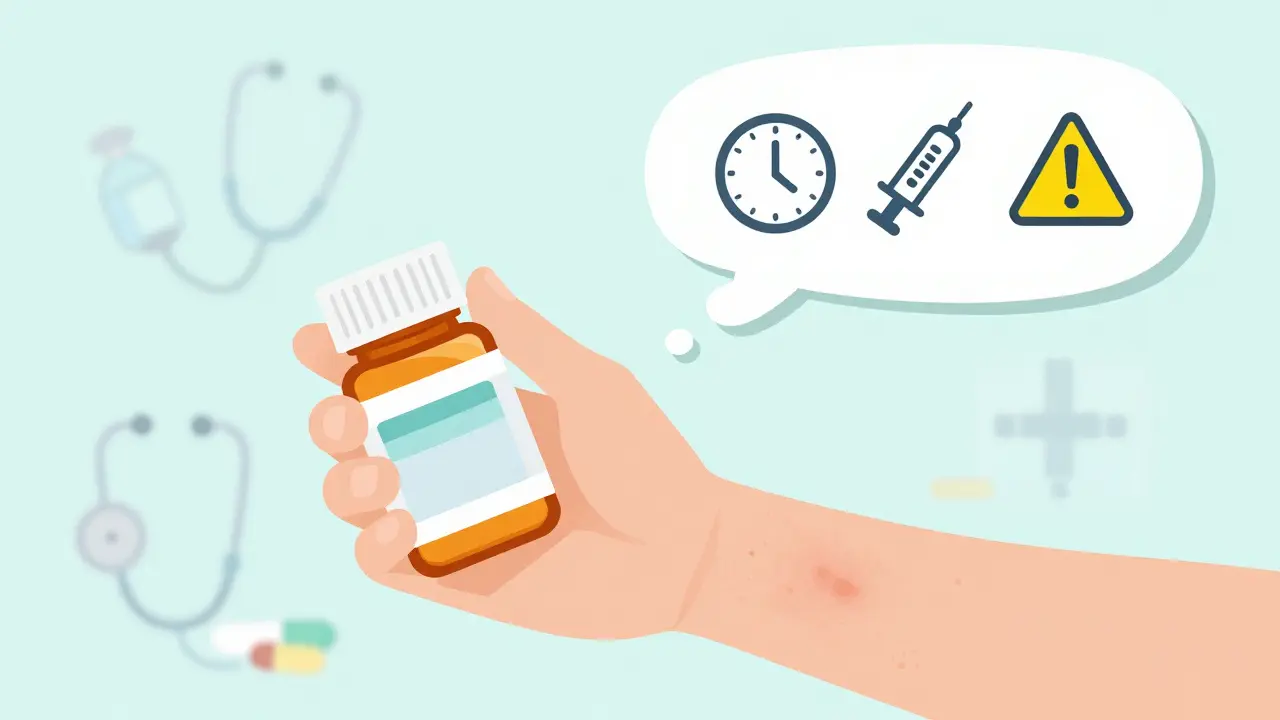
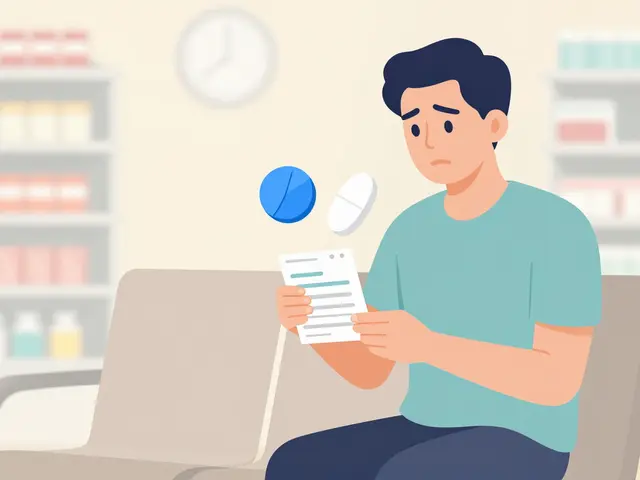
Imagine this: you take your pill as usual, but something feels off. Your skin breaks out in a rash. Your head spins. Or maybe you notice the pill looks different - wrong color, wrong shape. You don’t know if it’s a coincidence or a mistake. But you trust your gut. That’s the first step: recognizing something’s wrong. Medication errors happen more often than you think. In the U.S. alone, over 5 million medication errors occur each year in hospitals. Many go unreported. But when you speak up, you don’t just protect yourself - you help prevent the next person’s near-miss from becoming a tragedy.
What Counts as a Medication Error?
A medication error isn’t just a mix-up at the pharmacy. It’s any mistake in prescribing, dispensing, or taking a drug that could harm you. This includes:- Getting the wrong drug - like taking amoxicillin instead of azithromycin
- Wrong dose - 10 mg instead of 1 mg
- Wrong route - swallowing a patch meant for the skin
- Wrong timing - taking two doses too close together
- Drug interaction - not being warned about mixing your blood thinner with a new OTC painkiller
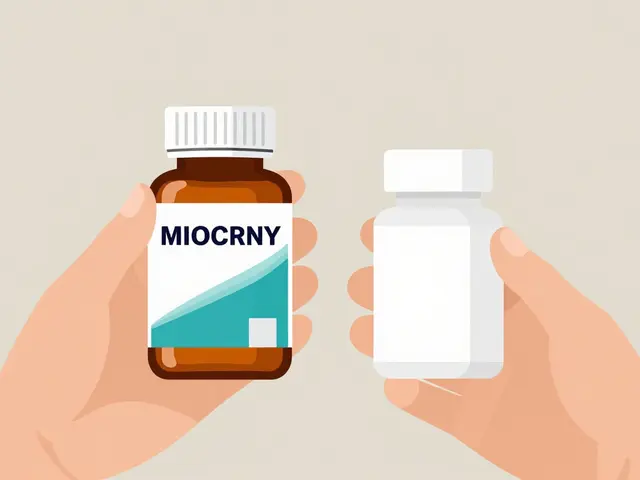
- Labeling errors - a bottle labeled for someone else, or missing instructions
Even if you didn’t get hurt, if you suspect an error, report it. Near-misses are just as valuable. They’re the warning signs that systems are failing before someone dies.
How to Gather the Facts - Fast
Don’t wait. The sooner you document what happened, the clearer your report will be. Here’s what to collect within 24 hours:- The medication container - Keep the bottle, box, or packaging. The label has the drug name, strength, and prescription number.
- Photos - Snap clear pictures of the pill, the label, any visible reaction (rash, swelling, bruising).
- Symptom log - Write down when symptoms started, how they changed, and what made them better or worse. Include time, temperature, sleep, and appetite.
- Medical records - Request your full medication history from your provider. Under HIPAA, they must give it to you within 30 days. Don’t wait - follow up if it takes longer.
One patient in Melbourne reported a wrong dosage after her daughter’s school nurse gave her 5x the prescribed amount. She had photos of the pill bottle, the school’s handwritten log, and her daughter’s fever chart. That evidence turned a vague complaint into a system-wide review of school medication protocols.
Where to Report - And How
You have three main paths. Each has a different purpose.1. Talk to Your Provider First
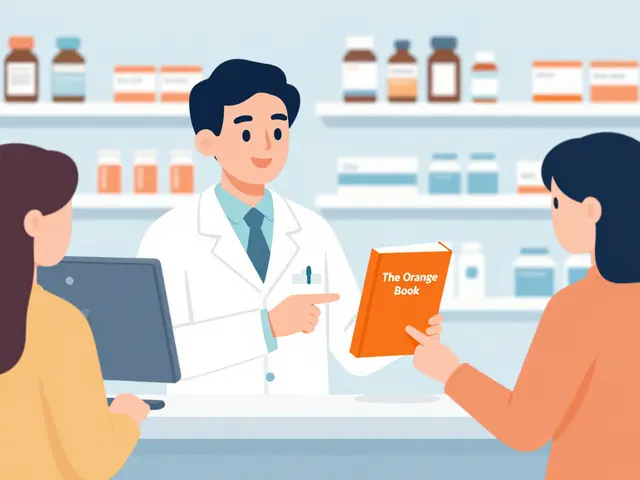
Start with the person who prescribed or dispensed the medication - your doctor, pharmacist, or nurse. Be calm but firm. Say:“I believe there was a medication error. Here’s what happened. I’ve documented the details and would like to understand how this occurred and how it will be prevented.”
Most clinics have internal reporting systems. They’re designed to fix problems quickly. But here’s the catch: if your provider dismisses you, don’t stop. A 2022 study found that 64% of patient reports were ignored unless backed by clear documentation. Bring your photos, labels, and symptom log. If they still brush you off, ask to speak to the clinic manager or patient safety officer.
2. Report to the FDA’s MedWatch
This is your national safety net. The FDA doesn’t investigate every report - but they track patterns. If 10 people report the same error with the same batch of pills, they can issue a recall. You can report online at fda.gov/medwatch. The new portal takes under 10 minutes. You’ll need:- Patient age and sex
- Medication name, dose, and manufacturer
- What went wrong
- Your symptoms and outcome
- Who prescribed or dispensed it
Consumer reports make up only 14% of MedWatch submissions. But they’re critical. One woman in Texas reported a mislabeled insulin vial. Within three days, the FDA issued a recall. Her report saved lives.
3. Report to the Institute for Safe Medication Practices (ISMP)
ISMP is a nonprofit that works with hospitals and pharmacies to prevent errors. They accept confidential reports and publish safety alerts. Their system is non-punitive - meaning they don’t name names. They focus on fixing systems, not blaming people. Submit at ismp.org. In 2022, they processed over 12,500 reports - and turned 67% into public safety alerts.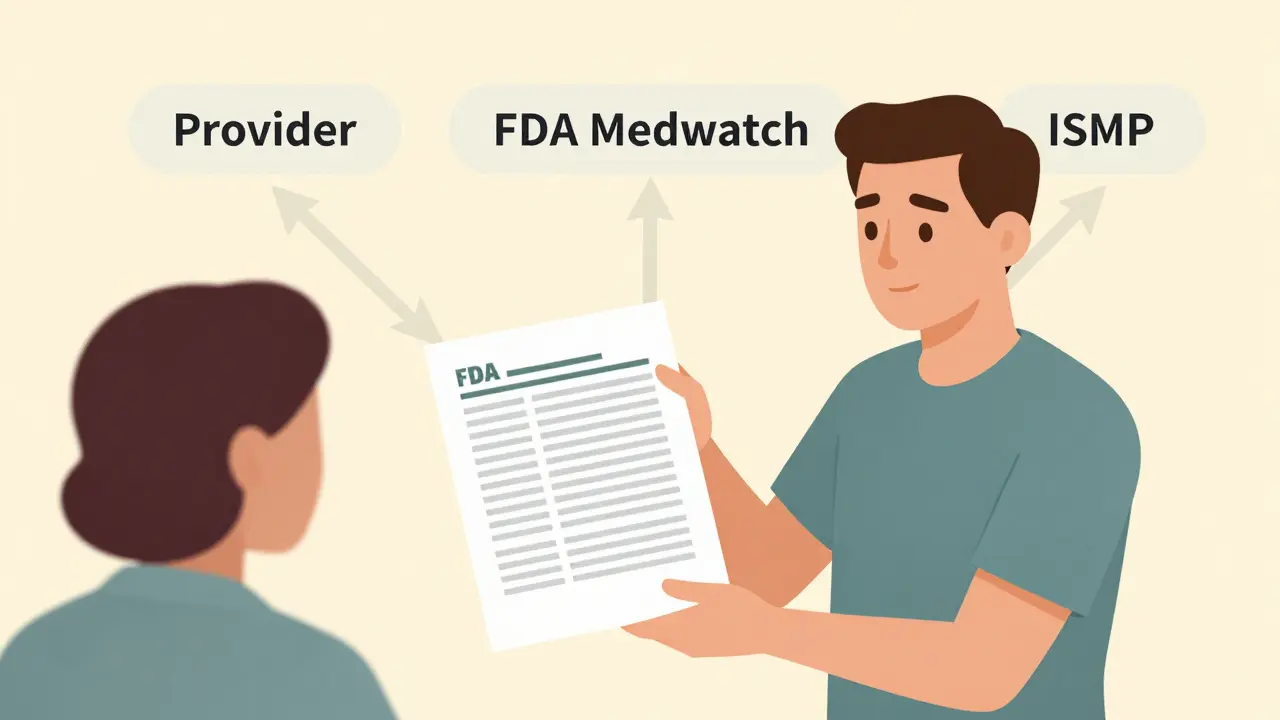
What Happens After You Report?
Don’t expect a phone call. Most reports don’t get personal follow-up. But here’s what should happen:- Your provider should investigate internally and respond within 14 days - even if just to say, “We’re looking into it.”
- The FDA reviews reports weekly. If a pattern emerges, they’ll act - sometimes within days.
- ISMP analyzes reports monthly and publishes alerts to thousands of pharmacies.
Studies show that when errors are reported and analyzed, similar mistakes drop by up to 75%. That’s not magic. It’s systems changing. A hospital in Ohio reduced dosing errors by 80% after one patient reported a mislabeled syringe. The staff redesigned their labeling system. No one else got hurt.
Common Roadblocks - And How to Beat Them
You’ll face pushback. Here’s how to handle it.- “It’s probably not serious.” - Say: “I’m not here to guess. I’m here to prevent harm. Can we document this?”
- “We don’t have time.” - Say: “I’m willing to help. I’ve written this down. Can you just confirm you received it?”
- “It’s not our fault.” - Say: “I don’t care who’s to blame. I care that it doesn’t happen again.”
Don’t apologize for speaking up. You’re not causing trouble - you’re preventing it. A 2021 study found that healthcare teams with non-punitive reporting cultures saw reporting rates jump 300%. That’s because people felt safe.
Special Cases: Schools, Elderly, and Home Care
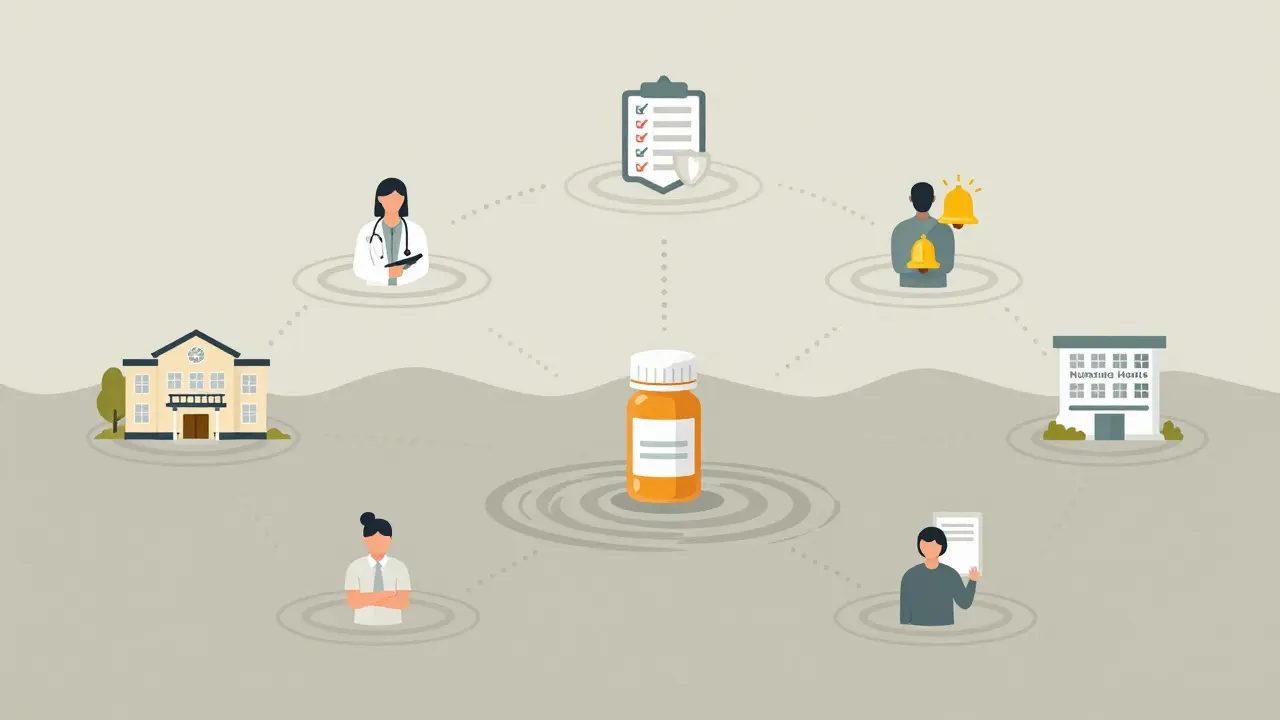
If the error happened in a school, nursing home, or home care setting, report it differently.- Schools: Demand a written incident report from the school nurse. In 48 states, this is required by law. Ask for a copy. If they refuse, contact your state’s Department of Education.
- Elderly care: If a loved one is in a nursing home, report to both the facility and your state’s long-term care ombudsman. They have legal authority to investigate.
- Home care: If a home nurse gave the wrong med, report it to the agency. Then report to MedWatch. Home care is the least regulated setting - your report matters more here.
Why This Matters - Beyond You
You might think, “It was just one mistake. It won’t happen again.” But mistakes don’t happen in isolation. They’re symptoms of broken systems. A wrong label on one bottle? That’s a training gap. A missed allergy check? That’s a workflow flaw. Your report is the data point that fixes the system.Think of it like a smoke detector. You don’t wait for the house to burn down to test it. You test it every month. Medication error reporting is the same. Every report you file is a test. And every test makes the system safer.
One mother in Sydney reported her child’s school gave the wrong asthma inhaler. The school changed its training. Two years later, another child had a reaction - but this time, the staff knew exactly what to do. They caught it. They fixed it. No one got hurt. That’s the ripple effect.
You don’t need to be an expert. You don’t need to be angry. You just need to be clear. Document. Report. Follow up. And if you’re ignored - report again. To someone else.
What should I do if my provider ignores my medication error report?
If your provider ignores your report, escalate. Ask to speak to the clinic’s patient safety officer or administrator. If that doesn’t work, file a report with the FDA’s MedWatch program or the Institute for Safe Medication Practices (ISMP). Both are independent and will investigate regardless of your provider’s response. Also, request a copy of your medical records - if they delay, file a formal HIPAA complaint with the U.S. Department of Health and Human Services.
Can I report a medication error even if I didn’t get hurt?
Yes - and you should. Near-misses are the most valuable reports. They show where systems are failing before someone is harmed. The Institute for Safe Medication Practices says 80% of serious errors are preceded by unreported near-misses. Reporting a close call helps prevent the next one from being fatal.
Is it safe to report a medication error if I’m worried about being blamed?
Reporting through the FDA or ISMP is confidential and non-punitive. They don’t name individuals. Even when reporting to your provider, federal guidelines encourage a “just culture” - meaning they should focus on fixing the system, not punishing the person. Studies show that when blame is removed, reporting rates increase by 300-400%. Your safety matters more than someone’s embarrassment.
How long does it take to get a response after reporting?
Internal provider responses should come within 14 days. The FDA doesn’t respond personally to every report, but if your report is part of a pattern, they’ll act - sometimes within days. ISMP publishes safety alerts monthly, and if your report contributes to one, you’ll be notified. If you don’t hear back, follow up. Persistence saves lives.
Can I report a medication error from a pharmacy I didn’t use?
Yes. If you received a medication from a pharmacy that was mislabeled, even if you didn’t fill the prescription there, you can still report it. The FDA and ISMP track errors by drug, manufacturer, and batch number - not just by pharmacy. Your report helps them identify faulty labeling lines or distribution issues that affect multiple locations.
Next Steps: What to Do Today
If you suspect a medication error:- Stop taking the medication - unless a doctor says otherwise.
- Gather the container, labels, and photos.
- Write down your symptoms - date, time, severity.
- Call your provider - be clear, calm, and direct.
- If ignored, file a report with MedWatch or ISMP - it takes under 10 minutes.
- Keep a copy of everything. You’re not just protecting yourself. You’re protecting others.
Medication safety isn’t someone else’s job. It’s yours. And every report you file? It’s a step toward a healthcare system that doesn’t just treat illness - but prevents it.



lawanna major March 18, 2026
This is exactly the kind of clear, structured guidance our healthcare system desperately needs. Recognizing a near-miss isn't just caution-it's civic responsibility. I've seen too many patients dismissed because they 'didn't feel sick enough.' But safety isn't about outcomes; it's about systems. The fact that 80% of serious errors are preceded by unreported incidents? That's not statistics. That's a moral failing. Documenting, reporting, following up-it's not drama. It's duty.
And to anyone who thinks 'it won't happen again'-that's the exact mindset that lets errors cascade. One mislabeled vial. One unverified dosage. One ignored symptom log. Those aren't accidents. They're systemic cracks. You're not being a nuisance. You're the patch.
Linda Olsson March 18, 2026
Let’s be real. The FDA doesn’t care. ISMP? More like ‘I’m So Misled Program.’ This whole thing is a performative safety theater. They want your report so they can say they ‘took action’ while the same pharmacy keeps shipping mislabeled pills. I’ve seen batch numbers recycled across three states. They don’t recall-they just ‘review.’ And the providers? They’ll bury your complaint under a stack of HIPAA forms and call it ‘quality improvement.’ This isn’t empowerment. It’s a distraction tactic.
Ayan Khan March 20, 2026
In India, we often rely on community trust rather than formal reporting. But this article reminded me that safety is not cultural-it is universal. A child in Delhi and a child in Ohio both deserve to be free from a mislabeled inhaler. The tools may differ, but the principle remains: silence is complicity. I have shared this with my local pharmacy group. We now have a simple checklist for patients: bottle, photo, symptom log, and one clear question: 'Will this be documented?' It’s small. But it’s a start.
Emily Hager March 20, 2026
I must express my profound concern regarding the linguistic inconsistencies present in this otherwise commendable exposition. The use of colloquialisms such as 'gut' and 'mess up' in a context demanding clinical precision is not merely stylistically inappropriate-it is epistemologically hazardous. Furthermore, the casual invocation of anecdotal evidence (e.g., 'one mother in Sydney') as a basis for systemic reform constitutes a fundamental violation of evidence-based protocol. One cannot legislate safety from emotion.
Melissa Starks March 21, 2026
I just want to say thank you for writing this. I’m a nurse, and I’ve seen the flip side of this-how scared patients are to speak up because they think they’ll be yelled at or ignored. I’ve had patients bring me photos of pills, handwritten logs, even videos of their rash. And every single time? We changed something. Not because we were forced to. But because we finally listened. One lady brought in a bottle where the label said '5mg' but the pill was clearly marked '50mg'-she was terrified, but she didn’t shut up. We changed the whole labeling process in our unit. You think you’re just helping yourself? Nah. You’re helping everyone who walks through that door after you. Keep speaking. We’re listening.
Lauren Volpi March 22, 2026
Lmao. So now we’re supposed to be medical detectives? Take pictures of pills? Log our fever? Next they’ll ask us to fill out a Form 7-B for breathing too hard. This isn’t healthcare. It’s a bureaucracy with a stethoscope. I’m not reporting anything. If the system’s this broken, I’m just gonna switch to herbal tea and pray.
Melissa Stansbury March 22, 2026
I had this happen last year. Took my kid’s ADHD med, noticed the pill was a different color. Called the pharmacy. They said 'oh, generic switch.' But I knew. I had the old bottle. Took a pic. Called the doctor. They blew me off. So I called the state health board. They called me back in 48 hours. Turned out the manufacturer had swapped active ingredients in a batch. 17 other kids were affected. I didn’t want to be a hero. I just didn’t want my kid to die. So yeah. Take the photo. Call someone. Even if they roll their eyes. It matters.
Alexander Pitt March 23, 2026
The most critical point here is the distinction between reporting and reacting. Reporting is data collection. Reacting is system redesign. Too many providers treat the former as the latter. They say 'thank you' and do nothing. Your report is only valuable if it triggers a root cause analysis. Ask for it explicitly: 'What process change will result from this?' If they can’t answer, escalate. This isn’t about blame-it’s about feedback loops. And healthcare is the only industry that treats feedback as an inconvenience.
Robin Hall March 24, 2026
The premise of this article is fundamentally flawed. It presumes that individual patients possess the epistemic authority to discern medication errors. This is a dangerous overextension of layperson competence. Medication administration is a complex, multi-layered clinical process governed by pharmacokinetic principles, regulatory compliance, and interprofessional verification protocols. To reduce this to 'take a photo and call your doctor' is not only reductive-it is potentially injurious. One cannot diagnose a labeling discrepancy without training in pharmaceutical nomenclature and regulatory standards.
Suchi G. March 25, 2026
I’ve been in this game for over 20 years-pharmacist, then home care coordinator, now a patient advocate. Let me tell you what no one says: the real enemy isn’t the nurse who misread the script or the pharmacist who mixed up the bottles. It’s the 12-hour shifts, the understaffed clinics, the $3.50 hourly wage for the person who labels the pills. The system is designed to fail. We know this. We’ve all seen it. But here’s what I’ve learned: if you report with documentation, they have to respond. Not because they care. But because the audit trail is now in the system. I had a patient once-82-year-old woman, dementia, her daughter reported a wrong blood pressure med. We found 11 other errors in that same batch. They didn’t fix the system. But they fired the vendor. And that? That’s how you win. You don’t change the machine. You break its parts. One report at a time.