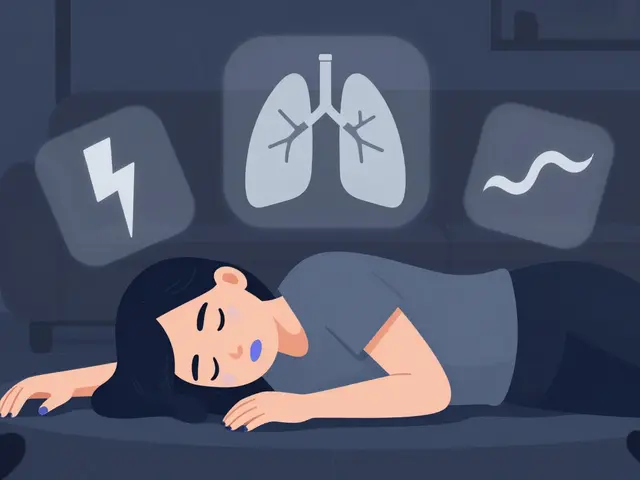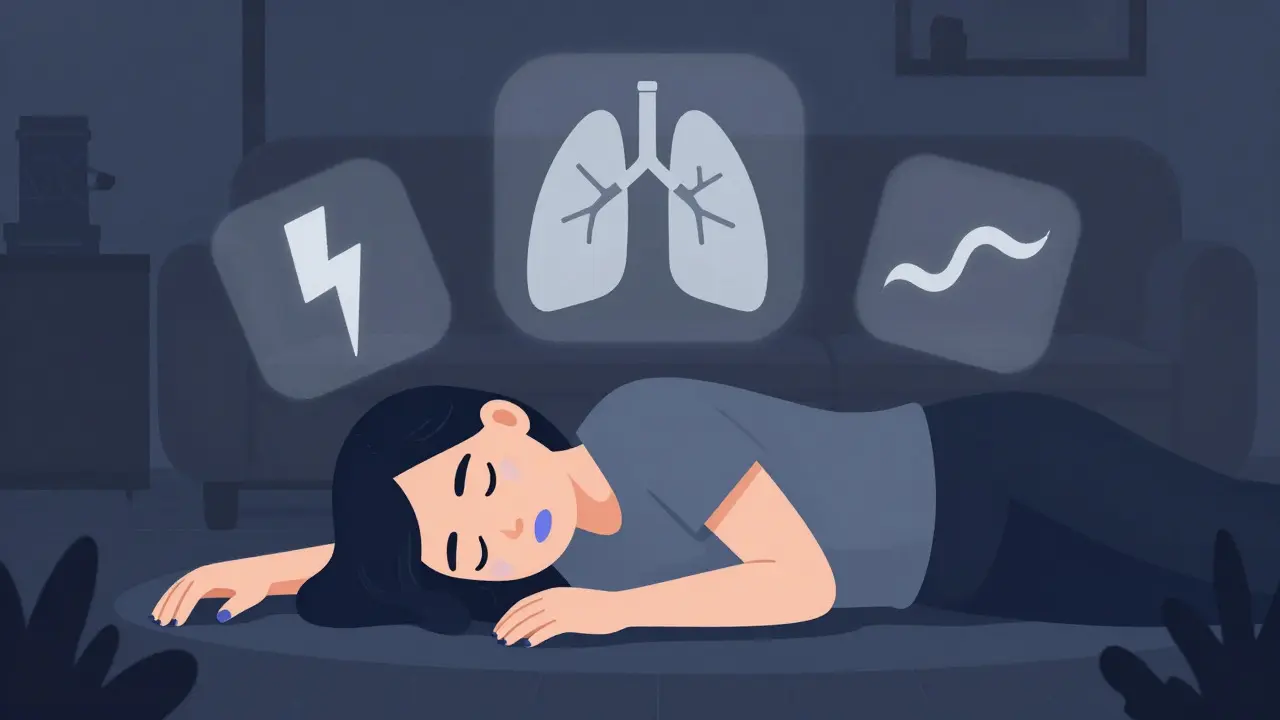
Imagine you walk into a room and find someone who looks like they are fast asleep. They aren't moving. When you shake their shoulder, they don't wake up. Their breathing is slow, almost silent. Is it just a nap? Or is it something far more dangerous?
This scenario plays out thousands of times across North America every year. A medication overdose happens when the body takes in too much of a substance-whether it’s a prescription pill, an over-the-counter remedy, or an illicit drug-to handle safely. The result is a medical emergency that can lead to permanent brain damage or death within minutes if not treated immediately.
In 2022 alone, drug overdose deaths in the United States reached nearly 108,000. That number is staggering, but here is the good news: many of these tragedies are preventable. Knowing what to look for-and knowing exactly what to do-can save a life. This guide breaks down the specific signs you need to recognize, how different drugs affect the body differently, and the steps you must take if you suspect an overdose.
The Universal Warning Signs
Before we get into specific drug types, there are general red flags that apply to almost any medication overdose. These symptoms occur because the body’s systems are becoming overwhelmed. If you see these signs in someone who has recently taken medication, treat it as an emergency.
- Altered Mental Status: The person is confused, agitated, or paranoid. In severe cases, they may be unresponsive but still awake (eyes open but no reaction). According to data from GoodRx, about 63% of emergency visits for prescription misuse involve some form of altered mental status.
- Respiratory Distress: Breathing becomes shallow, erratic, or stops completely. Listen closely. Do you hear choking or gurgling sounds? This is a critical sign, especially with opioids, where it appears in over 40% of cases.
- Gastrointestinal Issues: Severe nausea, vomiting, stomach pain, or diarrhea are common early signs. SAMHSA reports that nearly 80% of non-fatal overdoses include vomiting.
- Physical Changes: Look for pale or clammy skin. Check their lips and fingernails. If they are turning blue or purple (cyanosis), it means their blood oxygen levels have dropped below 90%. This is a dire warning sign.
- Loss of Coordination: Dizziness, loss of balance, or stumbling around indicates the central nervous system is struggling.
If you see a combination of these symptoms, do not wait to see if they "get better." Time is the most critical factor in overdose survival.
Opioid Overdose: The Silent Killer
Opioids-including heroin, fentanyl, oxycodone, and hydrocodone-are the leading cause of overdose deaths. Synthetic opioids like fentanyl are involved in more than 80% of these fatalities. Why? Because they are incredibly potent. Fentanyl is 50 to 100 times stronger than morphine. Carfentanil, sometimes found mixed into street drugs, is 10,000 times stronger.
When someone overdoses on opioids, the drug slows down the part of the brain that controls breathing. This leads to a condition known as respiratory depression. Medical professionals look for the "Opioid Triad" to confirm an overdose:
- Pinpoint Pupils: The pupils constrict to a tiny size, often 1-2mm in diameter. Even in bright light, they remain small.
- Unconsciousness: The person cannot be woken up, no matter how hard you shake them or shout at them.
- Respiratory Depression: Breathing is slow (less than 12 breaths per minute) or irregular. A gap of 10 seconds or more between breaths is a critical danger zone.
Other signs include extreme drowsiness, cold/clammy skin, and a slow pulse (below 60 beats per minute). Remember, tolerance changes quickly. If someone stops using opioids for just 3 to 7 days, their tolerance drops significantly. Taking the same dose they used before can easily trigger an overdose upon relapse.
Stimulant Overdose: The Body in Overdrive
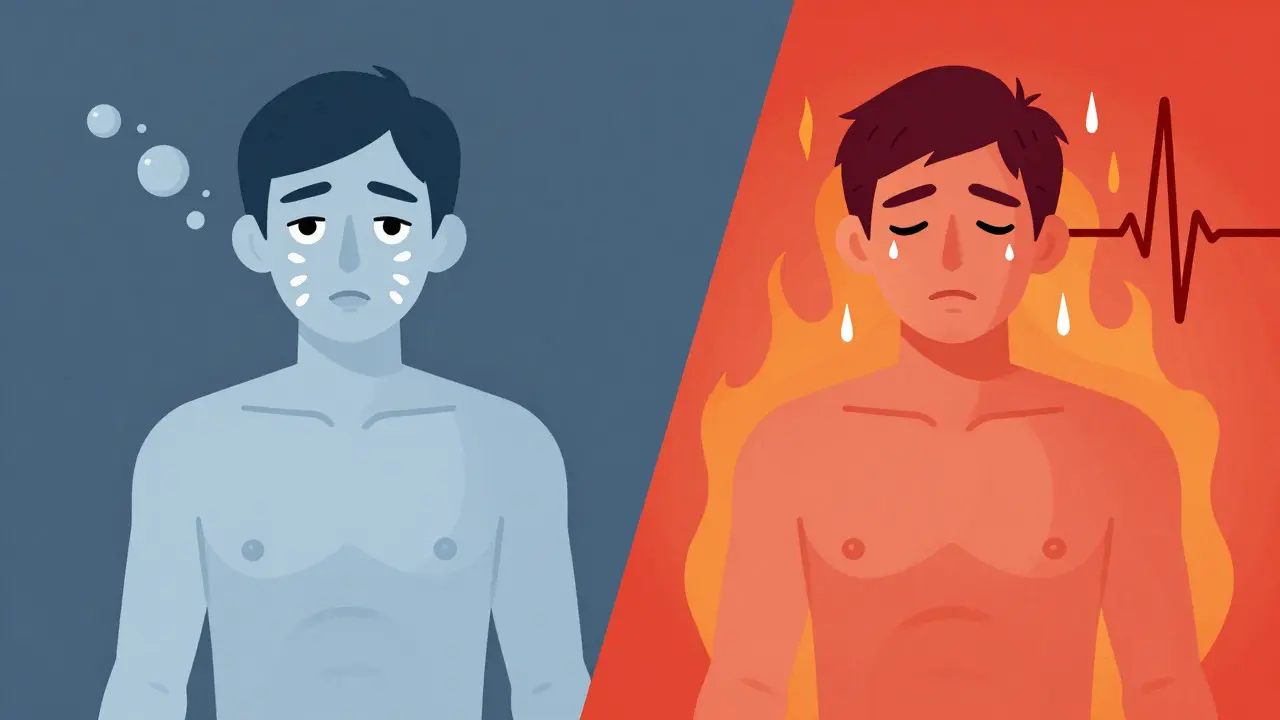
While opioids slow the body down, stimulants speed it up until it crashes. Stimulants include cocaine, methamphetamine, and prescription ADHD medications like Adderall or Ritalin. An overdose here looks very different from an opioid crisis.
Instead of slowing down, the heart and brain go into hyperdrive. Watch for these specific symptoms:
- Hyperthermia: Body temperature spikes, often exceeding 104°F (40°C). The person feels hot to the touch and sweats profusely.
- Hypertension: Blood pressure shoots up, sometimes above 180 mmHg systolic. This puts immense strain on the heart and blood vessels.
- Agitation and Paranoia: The person may be extremely anxious, aggressive, or hallucinating. They might pick at their skin or feel like bugs are crawling under it.
- Cardiac Arrhythmias: The heartbeat becomes rapid and irregular. This can lead to seizures, which occur in about 37% of cocaine overdose cases.
A stimulant overdose can lead to stroke, heart attack, or kidney failure due to muscle breakdown (rhabdomyolysis). It is just as deadly as an opioid overdose, but the urgency comes from preventing cardiac arrest rather than respiratory failure.
Depressant and Polysubstance Risks
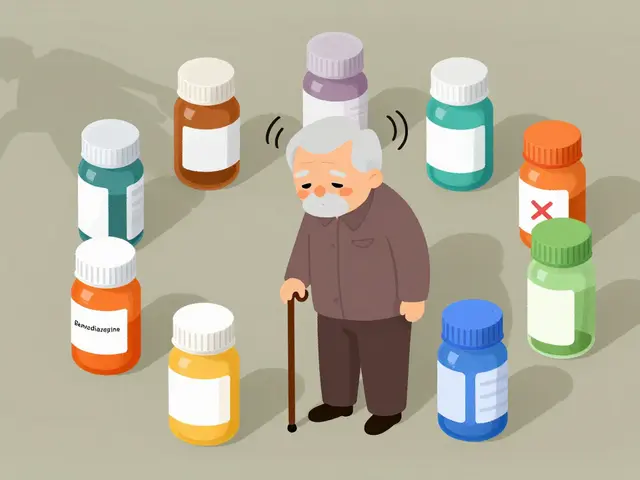
Depressants, such as benzodiazepines (Xanax, Valium), alcohol, and barbiturates, also slow down the central nervous system. Symptoms overlap with opioids but often progress differently. You will see profound drowsiness, slurred speech, and ataxia (loss of muscle coordination).
A particularly dangerous risk with depressants, especially alcohol, is aspiration. If a person vomits while unconscious, they can choke on their own vomit. This accounts for a significant percentage of fatal alcohol overdoses.
However, the modern reality is complex. Many overdoses involve polysubstances. In 2022, nearly 57% of overdose deaths involved multiple drugs. For example, mixing opioids with benzodiazepines multiplies the respiratory depression effect. Mixing stimulants with opioids (a practice sometimes called "speedballing") masks the feeling of drowsiness, leading users to take more opioids than their body can handle, resulting in sudden respiratory arrest.
Immediate Action: What To Do
If you suspect an overdose, panic is your enemy. Follow these steps clearly and calmly.
- Call Emergency Services Immediately: In the U.S. and Canada, dial 911. In Australia, call 000. Do not hesitate. Most states and provinces have "Good Samaritan" laws (like Minnesota's Steve's Law) that protect bystanders from minor legal issues when calling for help during an overdose. Don't let fear stop you from saving a life.
- Administer Naloxone (Narcan) if Available: If you have naloxone nasal spray, use it. It is safe even if you aren't sure it's an opioid overdose. One dose contains 4mg. Spray it into one nostril. If there is no response after 2-3 minutes, give a second dose. Naloxone can reverse opioid effects in 85% of cases if given quickly.
- Check Breathing and Pulse: If the person is not breathing or has no pulse, begin CPR immediately. Push hard and fast on the center of the chest.
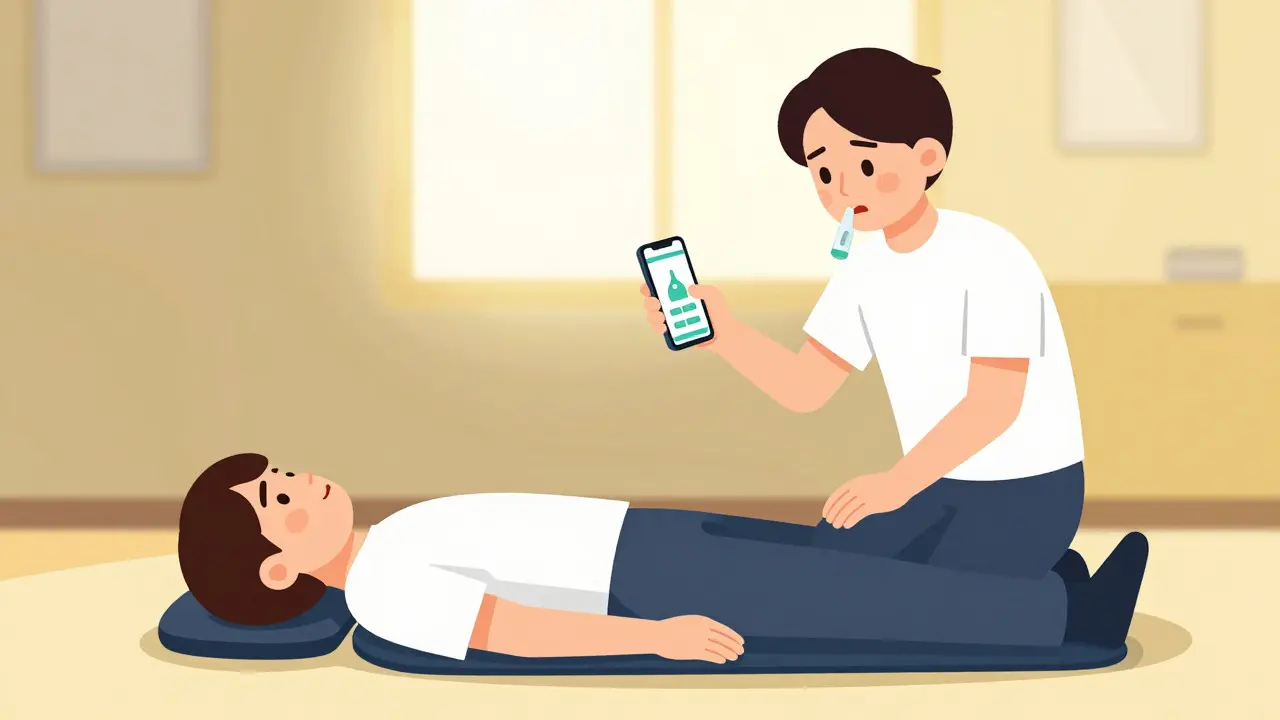
- Position the Person Safely: If they are unconscious but breathing, roll them onto their side (the recovery position). This prevents choking if they vomit. Keep their head tilted back slightly to keep the airway open.
- Stay With Them: Talk to them, even if they don't respond. Keep them warm. Wait for paramedics.
Common Mistakes to Avoid
In the chaos of an overdose situation, people often make well-intentioned but dangerous errors. Avoid these pitfalls:
- Don't Let Them "Sleep It Off": This is a myth that kills. Delaying treatment is a factor in nearly 30% of fatal overdoses. If they are unresponsive, they are not sleeping; they are dying.
- Don't Put Them in a Cold Shower: While cooling helps stimulant overheating, putting an unconscious person in water risks drowning or hypothermia. Use cool cloths instead if needed.
- Don't Give Home Remedies: Coffee, salt water, or inducing vomiting rarely helps and can cause aspiration or further chemical irritation. Stick to professional medical intervention.
Prevention and Preparedness
Recognition is half the battle; preparation is the other half. Here is how you can protect yourself and others.
Carry Naloxone: Since March 2023, naloxone nasal spray has been available over-the-counter in many pharmacies without a prescription. It costs around $40-$50. Keep a kit in your home car, or workplace if you work in high-risk areas. Apps like "Naloxone Saves" can help you find distribution sites near you.
Use Fentanyl Test Strips: These strips can detect fentanyl in drugs with 97% accuracy. In California, testing showed fentanyl in 67% of counterfeit pills tested. Using these strips allows individuals to adjust their dosage or avoid contaminated batches entirely.
Know Your Tolerance: If you are prescribed opioids or stimulants, take them exactly as directed. Never mix them with alcohol or benzodiazepines unless explicitly cleared by your doctor. If you miss doses, understand that your tolerance may drop, making your usual dose dangerous upon restart.
How long does it take for an overdose to become fatal?
It depends on the substance. With opioids, respiratory arrest can lead to brain damage within 4 to 6 minutes of oxygen deprivation and death shortly after. With stimulants, death can occur rapidly due to heart attack or stroke, sometimes within minutes of symptom onset. Immediate action is always required.
Can you overdose on over-the-counter medication?
Yes. Acetaminophen (Tylenol) overdoses can cause severe liver failure, while ibuprofen overdoses can lead to kidney damage and stomach bleeding. Antihistamines like diphenhydramine (Benadryl) in high doses can cause hallucinations, seizures, and heart rhythm problems. Always follow label instructions strictly.
What should I do if naloxone doesn't work?
If the person does not respond to the first dose of naloxone after 2-3 minutes, administer a second dose. Continue rescue breathing or CPR if they are not breathing. Call 911 if you haven't already. Some synthetic opioids like fentanyl or carfentanil require multiple doses of naloxone to reverse. Also, if the overdose involves non-opioid substances (like benzos or stimulants), naloxone will have no effect, so supportive care (CPR/breathing) is critical until paramedics arrive.
Are there legal protections for calling 911 during an overdose?
In many jurisdictions, yes. In the U.S., 47 states have "Good Samaritan" laws that provide limited immunity from criminal prosecution for possession or paraphernalia when calling for emergency medical help during an overdose. In Canada, similar provincial protections exist. The primary goal is to encourage bystanders to seek help without fear of immediate arrest.
What is xylazine and why is it dangerous?
Xylazine, often called "tranq," is a veterinary sedative increasingly mixed with fentanyl. Unlike opioids, xylazine does not respond to naloxone. It causes severe skin ulcers, tissue necrosis, and prolonged sedation. Its presence complicates treatment because standard opioid reversal agents may not fully restore breathing, requiring advanced medical intervention.