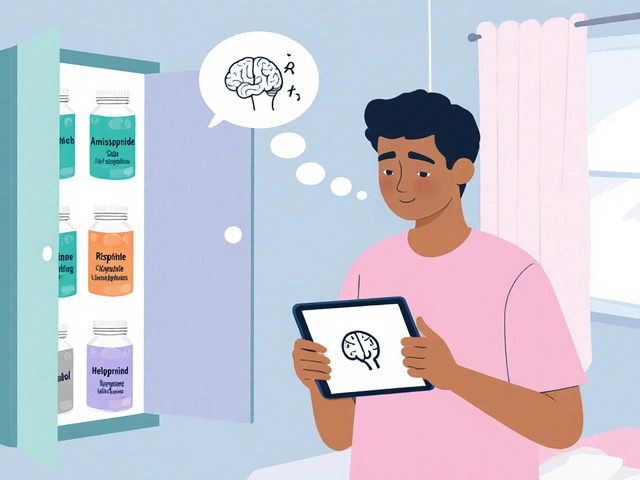
Drug-Drug Interactions: What You Need to Know Before Taking Multiple Medications
When you take more than one medication, your body doesn’t just see them as separate pills—it sees a drug-drug interaction, a biological clash between two or more medications that changes how they work in your system. Also known as medication interactions, these aren’t rare glitches—they happen every day, often without anyone noticing until something goes wrong. A simple combo like a nasal decongestant and a blood pressure pill can spike your heart rate. A fiber supplement might stop your thyroid medicine from working. Even something as common as grapefruit juice can turn a routine cholesterol drug into a danger zone. These aren’t hypothetical risks. They’re real, measurable, and often preventable.
Drug-drug interactions don’t just happen with prescription pills. They show up when you mix over-the-counter painkillers with antidepressants, when herbal supplements like black cohosh interfere with hormone therapy, or when antibiotics like roxithromycin mess with heart rhythm drugs like amiodarone. The black box warning, the FDA’s strongest alert for life-threatening drug risks. Also known as boxed warning, it often appears on medications known to cause dangerous interactions. If your drug has one, it’s not a suggestion—it’s a red flag. And it’s not just about the drugs themselves. Your kidneys, liver, age, and even your diet play a role. Acetaminophen might be fine for your liver, but if you’ve had kidney trouble, it’s a different story. Fiber supplements? Great for digestion, terrible if you take levothyroxine or antibiotics without spacing them out. These aren’t isolated issues—they’re part of a system where every pill you swallow can change how another one behaves.
Some interactions are obvious, like mixing alcohol with sedatives. Others sneak in quietly. H2 blockers and PPIs? Taking both doesn’t give you better acid control—it just ups your risk of infections and nutrient loss. Insulin biosimilars might save money, but if you’re on other diabetes meds, switching without a plan can throw your blood sugar out of whack. Even something as simple as a muscle relaxant like Robaxin can pile up with opioids and slow your breathing to dangerous levels. The adverse drug reaction, an unintended harmful effect from medication use. Also known as drug reaction, it’s often the result of unnoticed interactions doesn’t always come with a siren. Sometimes it’s just fatigue, nausea, or confusion you’ve learned to live with.
What you’ll find below isn’t a list of scary stories. It’s a practical guide to spotting the hidden dangers in your medicine cabinet. From how fentanyl patches can trigger withdrawal if stopped too fast, to why tirzepatide’s weight loss power needs careful monitoring with other drugs, each post cuts through the noise. You’ll learn how to ask the right questions, when to push back on a prescription combo, and what to track when your meds change. This isn’t about avoiding medicine—it’s about using it safely, smartly, and with your eyes wide open.
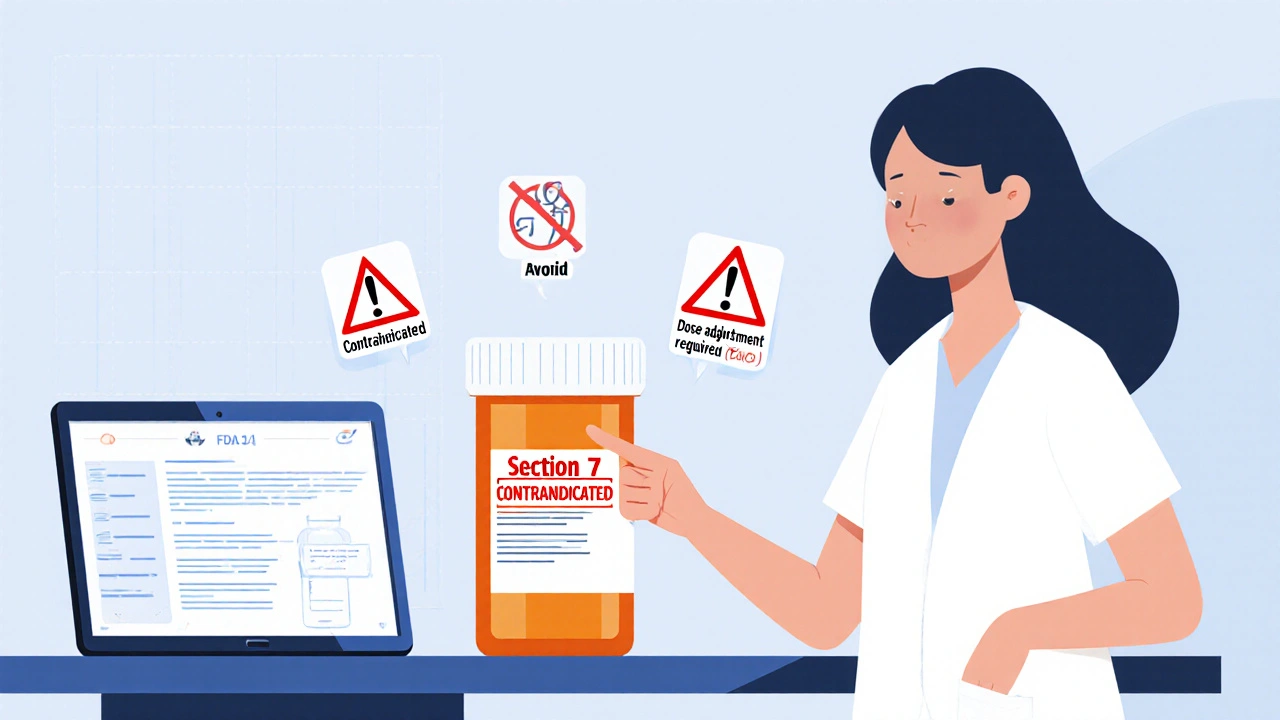
How to Read Drug Interaction Tables in FDA Labels Like a Pro
Learn how to read FDA drug interaction tables to prevent dangerous medication combinations. Understand Section 7, Section 2, and Section 12 to make safer prescribing decisions.