FDA Orange Book: What It Is and Why It Matters for Generic Drugs
When you pick up a generic pill at the pharmacy, how do you know it’s the same as the brand-name version? That’s where the FDA Orange Book, a public database maintained by the U.S. Food and Drug Administration that lists approved drug products with therapeutic equivalence evaluations. Also known as Therapeutic Equivalence Evaluations, it’s the official source that tells pharmacists and doctors which generics can safely replace brand-name drugs. This isn’t just a technical list—it’s your key to saving money without risking your health.
The FDA Orange Book doesn’t just name drugs. It shows you which ones are bioequivalent, meaning they deliver the same amount of active ingredient into your bloodstream at the same rate as the brand-name version. If a generic isn’t listed here, it hasn’t been proven to work the same way. That’s why you’ll see this book referenced when doctors switch your prescription or when pharmacies substitute drugs. It also tracks patent expirations and exclusivity periods, helping manufacturers know when they can legally launch a generic version. This transparency keeps drug prices in check and stops companies from extending monopolies unfairly.
Behind every generic you take—whether it’s metformin, lisinopril, or sertraline—is a paper trail in the FDA Orange Book. It’s not just for pharmacists. If you’re switching from a costly brand to a cheaper copy, this is the document that tells you it’s safe. And if you’ve ever been told your insurance won’t cover a brand drug unless you try the generic first, that’s because of this list. The generic drugs in this book aren’t second-rate—they’re tested, approved, and monitored. But not all generics are created equal, and not every drug has one. That’s why you’ll find articles here on how to check if your medication is listed, what to do if your pharmacy switches your pill without telling you, and how to spot when a generic might not be working the same way.
Below, you’ll find real-world guides on drug safety, interactions, and alternatives—all tied to the same system the FDA Orange Book helps manage. From black box warnings to insulin biosimilars, these posts show how drug approval, equivalence, and safety are connected. Whether you’re managing a chronic condition or just trying to save on prescriptions, this is the foundation you need to understand before you take your next pill.
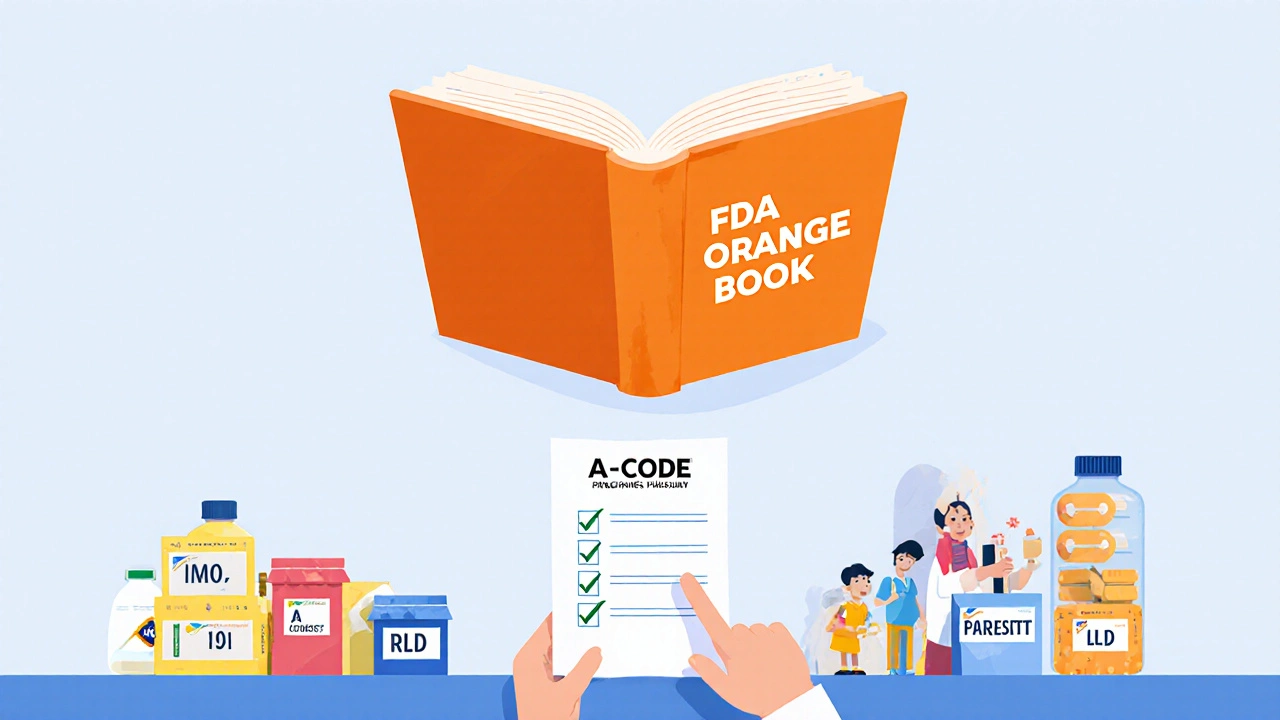
FDA Orange Book: How Approved Generic Drugs Are Listed
The FDA Orange Book lists approved generic drugs and shows which ones are therapeutically equivalent to brand-name drugs. It's the official guide for pharmacists, insurers, and patients to understand drug substitution rules.