
TZD Fluid Retention & Heart Health Monitor
Daily Fluid Warning Checklist
Check all that apply to your current condition. If you are taking TZDs (like Pioglitazone or Rosiglitazone), these signs are critical.
TZD-induced edema is often resistant to diuretics. Discontinuing the medication under medical supervision is often the only effective cure.
Managing type 2 diabetes often feels like a balancing act. You want to get your blood sugar under control, but not at the cost of other vital organs. For some, Thiazolidinediones is a class of insulin-sensitizing medications that help the body use insulin better by activating specific receptors. Also known as TZDs, these drugs are powerful tools for glycemic control, but they come with a specific, serious warning: they can make your body hold onto water, which is a dangerous game for anyone with a struggling heart.
The core problem isn't that these drugs damage the heart muscle directly. Instead, they trigger a process in the kidneys and blood vessels that leads to fluid buildup. For a healthy person, this might just mean a little swelling in the ankles. But for someone with heart failure, that extra fluid can be the tipping point that leads to a hospital visit for pulmonary edema. If you or a loved one are taking these meds, understanding the signs of fluid overload is non-negotiable.
How TZDs Trigger Fluid Retention
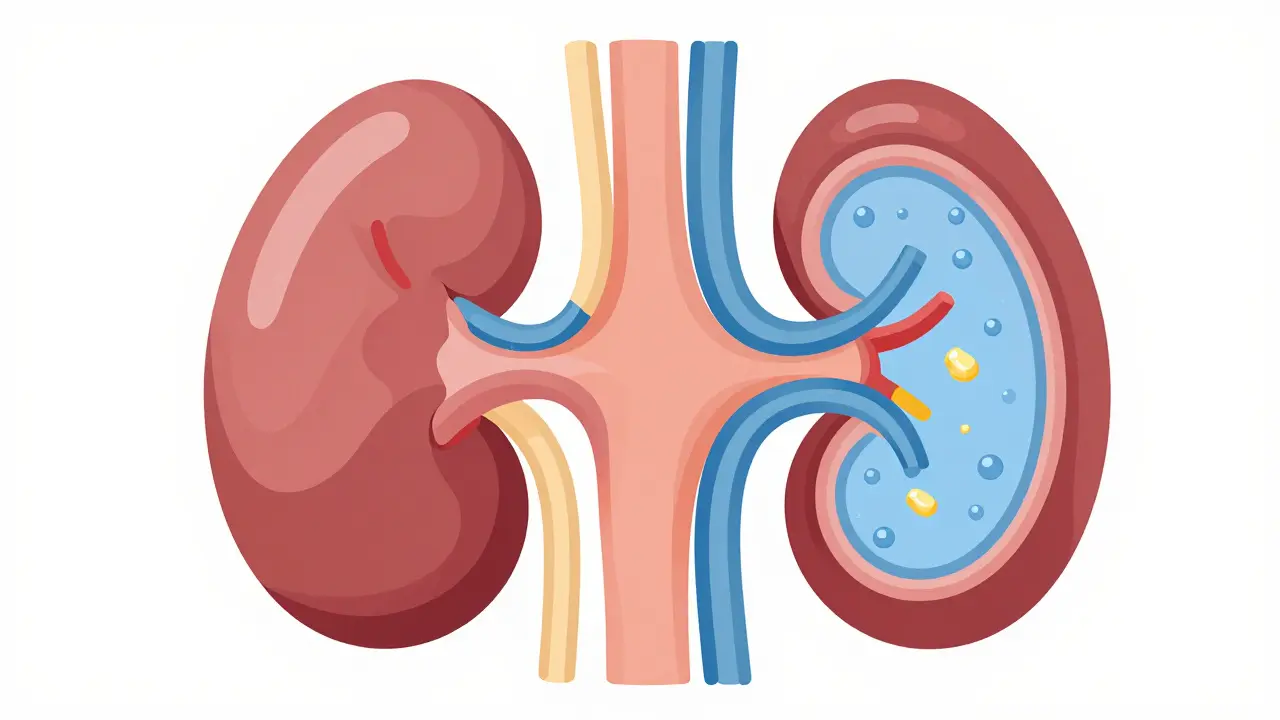
To understand why these drugs cause swelling, we have to look at PPAR-gamma is a nuclear receptor protein that regulates fatty acid storage and glucose metabolism . TZDs work by activating these receptors. While this helps your muscles and liver respond better to insulin, these receptors are also located in your kidneys.
When these receptors are activated in the renal system, they tell the kidneys to reabsorb more sodium and water instead of flushing them out through urine. It's like a dam that doesn't fully open. Research indicates that this can cause a 6-7% increase in total blood volume. In a healthy person, the heart can handle this extra volume. However, in someone with a weakened heart, this extra fluid backs up into the lungs and extremities.
Interestingly, this process isn't just about the kidneys. Some evidence suggests these drugs increase the "leakiness" of blood vessels, allowing fluid to seep into the surrounding tissues more easily. This explains why peripheral edema-swelling in the legs and ankles-is often the first red flag.
The Connection to Congestive Heart Failure
The risk isn't evenly spread across all patients. There is a massive difference between someone with a strong heart and someone with Congestive Heart Failure is a chronic condition where the heart doesn't pump blood as well as it should, leading to fluid buildup in the lungs and body (CHF). For those with stable, mild heart failure, doctors might use these drugs with extreme caution. But for those in advanced stages, the risk is simply too high.
According to data from the Diabetes Collaborative Registry, a startling number of people are taking TZDs despite having heart failure markers. In one analysis of over 400,000 adults, about 40% of TZD users had either a clinical diagnosis of heart failure or were taking loop diuretics to manage fluid. This suggests a gap in how these risks are monitored in real-world clinical practice.
| Attribute | Pioglitazone (Actos) | Rosiglitazone (Avandia) |
|---|---|---|
| Primary Use | Type 2 Diabetes | Type 2 Diabetes |
| Fluid Retention Risk | High (approx. 5-15%) | High (approx. 5-15%) |
| Heart Failure Risk | Contraindicated in NYHA III/IV | Contraindicated in NYHA III/IV |
| Availability | Widely available | Restricted access program |
Who is Most at Risk?
Not everyone on a TZD will experience swelling. In fact, when used alone, only about 7% of patients develop peripheral edema. However, the risk jumps to 15% if the medication is combined with insulin. This suggests a synergistic effect where the combination of therapies pushes the body's fluid limits further.
Other risk factors include:
- Gender: Some observational studies show a higher correlation between female gender and TZD-induced fluid retention.
- Renal Function: People with existing kidney impairment struggle more to clear the extra sodium the drugs promote.
- Baseline Cardiac Health: Anyone with an ejection fraction below 40% is at significant risk of the fluid moving from the ankles to the lungs.
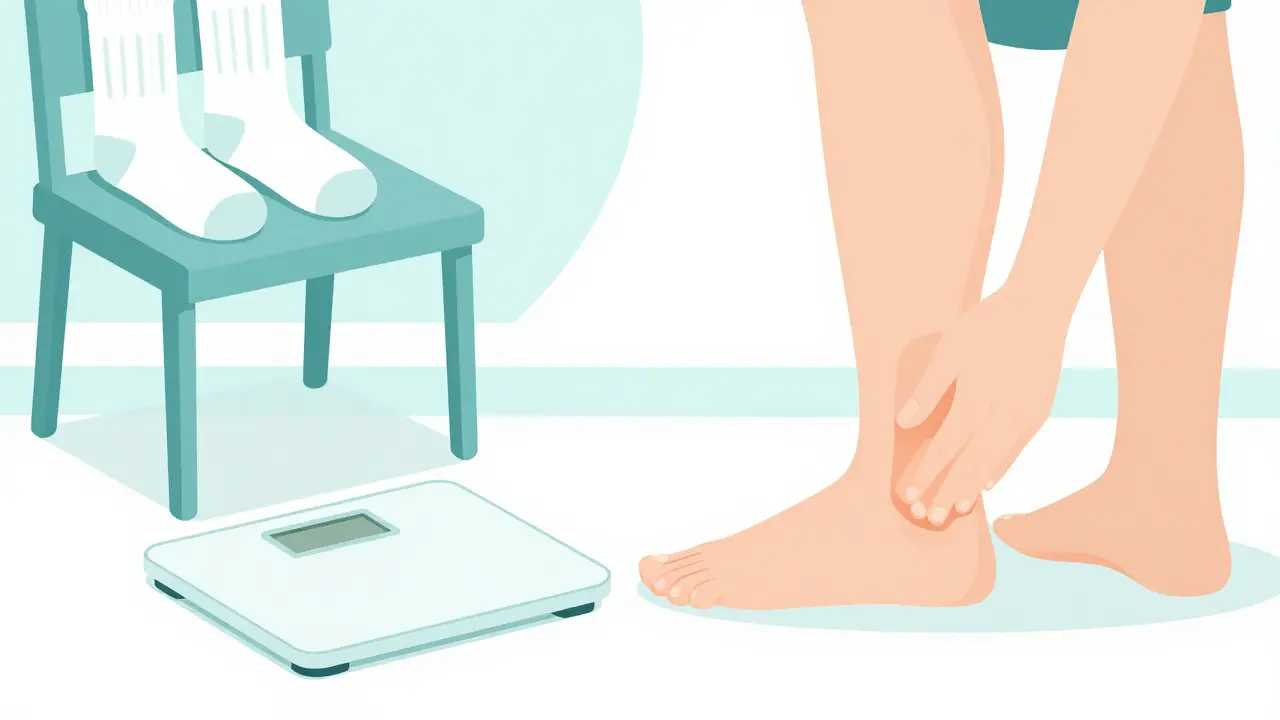
It is important to remember that this fluid buildup can be deceptive. It doesn't always start with a gasping for air; it often starts with socks leaving deep indentations in the skin or a sudden, unexplained weight gain of 5 to 10 pounds in a single week.
Managing the Risks and Monitoring
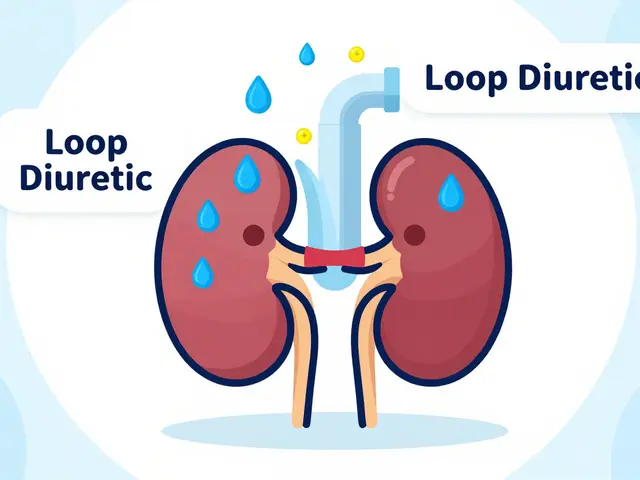
If you are prescribed Pioglitazone is a TZD medication used to lower blood glucose by increasing insulin sensitivity or a similar drug, you need a proactive monitoring plan. Because TZD-induced edema is often resistant to standard loop diuretics (water pills), the only real "cure" for the swelling is often stopping the medication.
Here is a practical checklist for staying safe while on these medications:
- Daily Weigh-ins: Weigh yourself every morning. A sudden jump of 2-3 pounds in a day or 5 pounds in a week is a major warning sign.
- The "Pitting" Test: Press your finger into your ankle or shin for a few seconds. If it leaves a lasting indentation (pitting edema), call your doctor.
- Sleep Position: Notice if you suddenly need more pillows to prop yourself up at night to breathe comfortably. This can be an early sign of pulmonary edema.
- Blood Pressure Checks: Keep a close eye on your readings, as increased blood volume can put extra pressure on your arteries.
When to Switch Medications
While TZDs are great because they don't cause hypoglycemia (dangerously low blood sugar) and may help with atherosclerosis, they aren't for everyone. If you develop fluid retention, the benefits of the drug may no longer outweigh the risks to your heart.
The American Diabetes Association and the American Heart Association generally agree: if you have New York Heart Association (NYHA) Class III or IV heart failure, TZDs are a hard "no." For those with Class I or II (mild to moderate), the drugs can be used, but the threshold for stopping them should be very low. If you start swelling, the drug usually needs to go.
Do TZDs directly damage the heart muscle?
No, current evidence suggests that TZDs do not worsen the heart's actual pumping function. Instead, they cause the body to retain sodium and water. This extra fluid puts an immense strain on a heart that is already struggling, which can lead to a heart failure exacerbation.
Can I just take a diuretic to stop the swelling?
While diuretics can help, TZD-induced fluid retention is notoriously resistant to them. In many cases, the only effective way to fully resolve the edema is to discontinue the TZD medication under a doctor's supervision.
Is pioglitazone safer than rosiglitazone for the heart?
In terms of fluid retention and heart failure risk, both drugs appear to be roughly equal. Both carry warnings regarding heart failure and should be avoided in patients with severe cardiac impairment.
Why would a doctor prescribe a TZD if there is a heart risk?
TZDs offer unique benefits, such as powerful insulin sensitization and a very low risk of causing hypoglycemia. For patients without heart failure, these are huge advantages for long-term diabetes management.
What is the first sign that a TZD is causing a problem?
The most common early sign is peripheral edema, which is swelling in the ankles, feet, or legs. This is often accompanied by a gradual increase in body weight due to water retention.
Next Steps for Patients and Caregivers
If you are starting a TZD, schedule a follow-up appointment for two to four weeks after your first dose. This is the window when fluid retention typically becomes apparent. Be honest with your provider about any new shortness of breath, even if it only happens when you're lying flat.
For those already on the medication who notice swelling, don't wait for your next quarterly check-up. Contact your clinic immediately. A simple weight check and a physical exam of the lower legs can determine if your medication needs to be adjusted. Your heart health is just as important as your A1c levels; make sure both are being managed with equal priority.






Lynn Smith April 18, 2026
It is so important to keep a close eye on those morning weigh-ins! My aunt went through something similar and she didn't realize the swelling in her ankles was actually a sign of something much bigger until she noticed her shoes weren't fitting anymore.
Arthur Luke April 19, 2026
The point about the synergy between TZDs and insulin is quite fascinating. It makes a lot of sense that combining two potent metabolic modifiers would put an even greater strain on the renal system's ability to regulate sodium and water homeostasis.
Brigid Prosser April 21, 2026
Absolute game changer for anyone staring down these meds. It's a proper nightmare when your body decides to become a human sponge just to get your sugar levels in check. Don't let the doctors just brush off a bit of puffiness in the legs; be a loud squeaky wheel until they actually listen to you. Get your weight logged, watch your breathing, and don't be afraid to demand a switch if things feel wonky. It's your heart on the line, not some clinical trial statistic!
Mike Beattie April 22, 2026
Typical manifestation of PPAR-gamma overactivation in the distal nephron. We're seeing a classic case of volume expansion where the sodium reabsorption overrides the natriuretic peptide system. Most people just see 'swelling,' but it's really a failure of the hemodynamics to compensate for the increased plasma volume. If your ejection fraction is already suboptimal, you're basically inviting a flash pulmonary edema event. It's basic pathophysiology that seems to be overlooked in primary care.
Ms. Sara April 23, 2026
I really appreciate the focus on the 'pitting' test here. Many people just assume it's from standing all day at work, but that indentation is a huge clue that the fluid isn't just surface-level. It's heartbreaking to think how many people are just walking around with this burden because they don't know what to look for.
Tokunbo Elegbe April 24, 2026
Consistency is key... always... especially with daily weighing!!! It's the only way to catch the trend before it becomes a crisis!!!
Lucy Kuo April 26, 2026
It is truly a tragedy of the most profound proportions that such a critical gap in monitoring exists within the clinical practice! The notion that forty percent of patients might be enduring these risks without adequate oversight is simply scandalous. One must be utterly vigilant in their own care to avoid such a catastrophic outcome as pulmonary edema!
aman motamedi April 26, 2026
The provided information is quite comprehensive. I believe following the suggested monitoring plan is a prudent approach for any patient.