Heart Failure Potassium Management Simulator
Patient Configuration
Projected Outcome
Clinical Recommendation:
Configure patient settings to see recommendations.
Management Strategies Applied
Heart failure is a relentless condition. One of the most effective tools we have to keep patients out of the hospital is diuretics, specifically loop diuretics like furosemide. They work wonders at clearing fluid from the lungs and legs. But there is a catch. These powerful drugs flush out more than just water; they drag essential electrolytes with them. The biggest culprit? Potassium. When potassium levels drop too low-a condition known as hypokalemia-the risks escalate quickly. We are talking about dangerous heart rhythms, increased mortality, and worse overall outcomes for your patients.
If you manage heart failure patients, you know that balancing decongestion with electrolyte stability is a daily tightrope walk. This guide cuts through the noise to give you actionable, evidence-based strategies for managing diuretic-induced hypokalemia. We will look at why this happens, how to spot it early, and exactly what steps to take when levels dip below the safe zone.
Why Diuretics Drain Potassium in Heart Failure
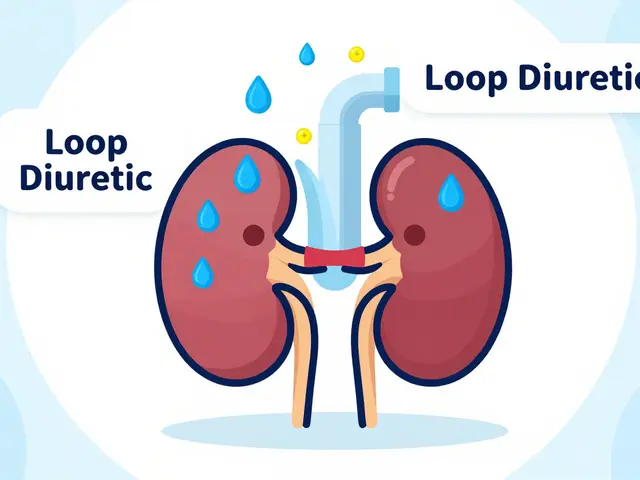
To fix the problem, you first need to understand the mechanism. Loop diuretics such as furosemide, bumetanide, and torsemide target the thick ascending limb of the loop of Henle in the kidney. Their job is to block the Na+-K+-2Cl- cotransporter. By doing so, they prevent sodium reabsorption, which pulls water along with it into the urine. However, this blockade increases the amount of sodium delivered to the distal nephron. In that downstream section of the kidney, high sodium levels stimulate the ROMK channel, which actively secretes potassium into the urine. Essentially, the harder you push sodium out, the more potassium follows.
This isn't just a theoretical concern. Studies indicate that approximately 20-30% of heart failure patients on loop diuretics develop hypokalemia. The risk spikes significantly for those on higher doses or those taking other medications that waste potassium. The 2022 AHA/ACC/HFSA Guidelines emphasize that careful monitoring of potassium, renal function, and diuretic dosing is non-negotiable, especially when potassium falls below 5.0 mEq/L. Why so cautious? Because even mild drops can signal trouble.
The Dangers of Low Potassium in Heart Disease
You might wonder why we obsess over a number like 3.4 mmol/L versus 3.6 mmol/L. For a healthy person, it might not matter much. For a heart failure patient, it matters immensely. Potassium is critical for maintaining the electrical stability of heart cells. When levels drop below 3.5 mmol/L, the heart becomes irritable. This irritability can trigger ventricular arrhythmias, which are life-threatening, particularly in patients with structural heart disease.
Data from hypertension and heart failure research shows that potassium levels below 3.5 mmol/L are associated with a 1.5 to 2.0-fold increased risk of mortality. It’s not just about the immediate shock of an arrhythmia; chronic hypokalemia worsens long-term outcomes. Furthermore, low potassium can impair the effectiveness of certain heart failure medications, creating a vicious cycle where treatment leads to side effects that undermine the treatment itself.
Setting the Target: What Is Safe?
So, what is the goal? According to recent nephrology perspectives and major guidelines, the target serum potassium level for heart failure and chronic kidney disease (CKD) patients is between 3.5 and 5.5 mmol/L. Some experts argue for a tighter range, perhaps 4.0 to 5.0 mmol/L, to maximize safety margins. Regardless of the specific upper limit you choose, staying above 3.5 mmol/L is the absolute minimum requirement.
Monitoring frequency is key. When you initiate or adjust diuretic therapy, check potassium weekly until stable. Once the regimen is steady, monthly checks are generally sufficient. However, during acute decompensation or significant dose changes, you may need to monitor every 1 to 3 days. Don’t wait for symptoms. Hypokalemia is often silent until it causes serious harm.

Management Strategies: Beyond Simple Supplementation
When you see potassium dipping, your first instinct might be to prescribe oral potassium chloride. While effective, it’s not always the best long-term solution. Here is a tiered approach to managing hypokalemia in heart failure:
- Prioritize Mineralocorticoid Receptor Antagonists (MRAs): If your patient has reduced ejection fraction (HFrEF), they should likely be on an MRA like spironolactone or eplerenone. These drugs save lives by reducing mortality by up to 30% in severe heart failure (as shown in the RALES trial). Crucially, they also spare potassium. Start spironolactone at 12.5-25 mg daily or eplerenone at 25 mg daily. Monitor closely, but these agents are foundational, not just add-ons.
- Optimize SGLT2 Inhibitors: Drugs like empagliflozin and dapagliflozin have revolutionized heart failure care. They reduce diuretic requirements by 20-30% by promoting osmotic diuresis without significant potassium wasting. Ensuring your patient is on an SGLT2 inhibitor can indirectly stabilize potassium levels by allowing you to lower the loop diuretic dose.
- Adjust Loop Diuretic Timing: Loop diuretics have a short half-life. Giving a large single dose can cause a massive spike in sodium and potassium excretion followed by a rebound retention phase. Splitting the dose (e.g., furosemide twice daily rather than once) smooths out these peaks and troughs, leading to more stable electrolyte levels throughout the day.
- Use Potassium Supplements Judiciously: For mild hypokalemia (3.0-3.5 mmol/L), oral potassium chloride (20-40 mmol/day) is appropriate. For severe cases (<3.0 mmol/L), intravenous replacement under ECG monitoring is necessary. Avoid over-supplementing if an MRA is already in play, as this can swing the pendulum toward hyperkalemia.
Navigating Complex Cases: CKD and Diet
Heart failure rarely exists in a vacuum. Many patients also have chronic kidney disease (CKD). This complicates things because kidneys with reduced function struggle to excrete excess potassium, increasing the risk of hyperkalemia if you add MRAs or supplements. Yet, they are still prone to hypokalemia from diuretics. The solution is precision. Check estimated glomerular filtration rate (eGFR) regularly. If eGFR is declining, you may need to lower MRA doses or pause potassium supplements temporarily while adjusting diuretics.
Diet plays a role, but it’s tricky. Standard advice includes sodium restriction (80-120 mmol/day). However, strict salt restriction can increase renin and aldosterone, which actually drives more potassium loss. Aim for a balanced approach rather than extreme restriction. Encourage potassium-rich foods like bananas, oranges, and leafy greens, but remember that dietary intake alone rarely corrects diuretic-induced losses. It’s a supportive measure, not a cure.
| Strategy | Mechanism | Impact on Mortality | Potassium Effect |
|---|---|---|---|
| Spironolactone/Eplerenone | Blocks aldosterone receptors | Significant reduction (up to 30%) | Increases/Saves K+ |
| SGLT2 Inhibitors | Osmotic diuresis, volume reduction | Reduces HF hospitalizations | Neutral/Mild Increase |
| Oral KCl Supplements | Direct replacement | No direct mortality benefit | Increases K+ |
| Splitting Diuretic Doses | Smoothes natriuresis peaks | Indirect via stability | Stabilizes K+ fluctuations |

When to Worry About Hyperkalemia
In our zeal to avoid hypokalemia, don’t overshoot. Hyperkalemia (potassium >5.5 mmol/L) is equally dangerous. Recent registry data suggests that hyperkalemia itself might be a marker of suboptimal treatment (e.g., stopping RAAS inhibitors due to fear of high potassium) rather than a direct cause of death. If potassium rises, evaluate the patient’s medication adherence and renal function. Newer potassium binders can help manage hyperkalemia, allowing clinicians to keep patients on life-saving RAAS inhibitors and MRAs without interruption. The goal is balance, not extremes.
Practical Checklist for Clinicians
- Baseline Check: Always verify potassium and creatinine before starting or changing diuretic doses.
- MRA First: Ensure HFrEF patients are on an MRA unless contraindicated.
- Add SGLT2i: Use empagliflozin or dapagliflozin to reduce diuretic burden.
- Split Doses: Consider twice-daily loop diuretics to minimize electrolyte swings.
- Monitor Weekly: During titration phases, check labs weekly.
- Educate Patients: Teach them signs of muscle weakness or palpitations, which can indicate electrolyte imbalance.
Conclusion
Managing diuretics in heart failure is an art form backed by science. Hypokalemia is a common, preventable complication that carries real risks. By leveraging MRAs, SGLT2 inhibitors, and smart dosing strategies, you can maintain effective decongestion while keeping potassium in the safe zone. Remember, the target is 3.5-5.5 mmol/L. Stay vigilant, monitor closely, and treat the whole patient, not just the numbers.
What is the target potassium level for heart failure patients?
The recommended target serum potassium level for heart failure patients is between 3.5 and 5.5 mmol/L. Maintaining levels within this range helps prevent both hypokalemic arrhythmias and hyperkalemic complications.
How do loop diuretics cause hypokalemia?
Loop diuretics block sodium reabsorption in the kidney's loop of Henle. This increases sodium delivery to the distal tubule, where it stimulates the secretion of potassium into the urine via the ROMK channel, leading to potassium loss.
Should I use spironolactone to prevent hypokalemia?
Yes, if the patient has heart failure with reduced ejection fraction (HFrEF). Spironolactone is a mineralocorticoid receptor antagonist that saves potassium and has been proven to reduce mortality in heart failure patients. It is a cornerstone therapy, not just a supplement alternative.
Do SGLT2 inhibitors affect potassium levels?
SGLT2 inhibitors like empagliflozin and dapagliflozin generally have a neutral or mildly beneficial effect on potassium levels. They reduce the need for high-dose loop diuretics, which indirectly helps stabilize potassium by reducing diuretic-induced wasting.
How often should I monitor potassium in heart failure patients?
Monitor potassium weekly when initiating or adjusting diuretic therapy. Once stable, monthly monitoring is typically sufficient. During acute decompensation or significant dose changes, check every 1 to 3 days.