Allergy Medication Guide: Find Relief Fast
If you’ve ever felt your eyes itch, nose run, or throat tighten during pollen season, you know how annoying allergies can be. The good news? There are plenty of over‑the‑counter and prescription options that calm those symptoms in minutes. This guide breaks down the main types, shows you what to watch for, and helps you pick the right pill or spray for your life.
Types of Allergy Meds
Antihistamines are the most familiar. They block histamine, the chemical that makes you sneeze and swell. Second‑generation antihistamines like cetirizine or loratadine cause less drowsiness, so you can stay alert at work or school.
Nasal corticosteroid sprays (fluticasone, mometasone) target inflammation right inside the nose. They work best when used daily during high‑allergen weeks and can shrink swelling that antihistamines alone might miss.
Decongestants such as pseudoephedrine tighten blood vessels in the nasal passages, clearing a stuffy nose. They’re great for short‑term use but can raise blood pressure, so check with a doctor if you have heart issues.
Leukotriene modifiers (montelukast) block another pathway that triggers asthma‑type symptoms. They’re often added for people who have both allergies and mild asthma.
Eye drops like ketotifen soothe itchy, watery eyes. They’re a fast fix when pollen gets into your eyes during a hike.
How to Choose the Right One
First, think about your main symptoms. If sneezing and runny nose dominate, start with a non‑drowsy antihistamine. If you also have nasal congestion, add a steroid spray in the morning and evening.
Second, consider your daily routine. Do you need to stay alert for a job that involves driving? Skip first‑generation antihistamines that cause sedation and stick with newer formulas.
Third, check your health history. People with high blood pressure, glaucoma, or prostate issues should avoid oral decongestants. Talk to a pharmacist or doctor if you’re unsure.
Fourth, watch for interactions. Some allergy meds can affect birth control pills or other prescriptions. Always have a quick look at the label or ask a health professional.
Finally, give the medication a fair trial. Most antihistamines need a day or two to reach full effect. If you don’t feel better after 3‑4 days, try a different class or combine a spray with a pill.
Remember, allergy medication works best when you combine it with simple lifestyle steps: keep windows closed on high‑pollen days, shower after being outdoors, and use a HEPA filter at home. Pairing these habits with the right med can turn a miserable season into a manageable one.
TL‑Pharmacy offers a reliable database of these drugs, price comparisons, and tips for buying safely online. Browse our site to find affordable options and read up on each medication’s side‑effects before you order.
Allergy season won’t wait, but you don’t have to suffer through it. Choose the right medication, follow the safety tips, and get back to enjoying the outdoors without the constant sniffles.
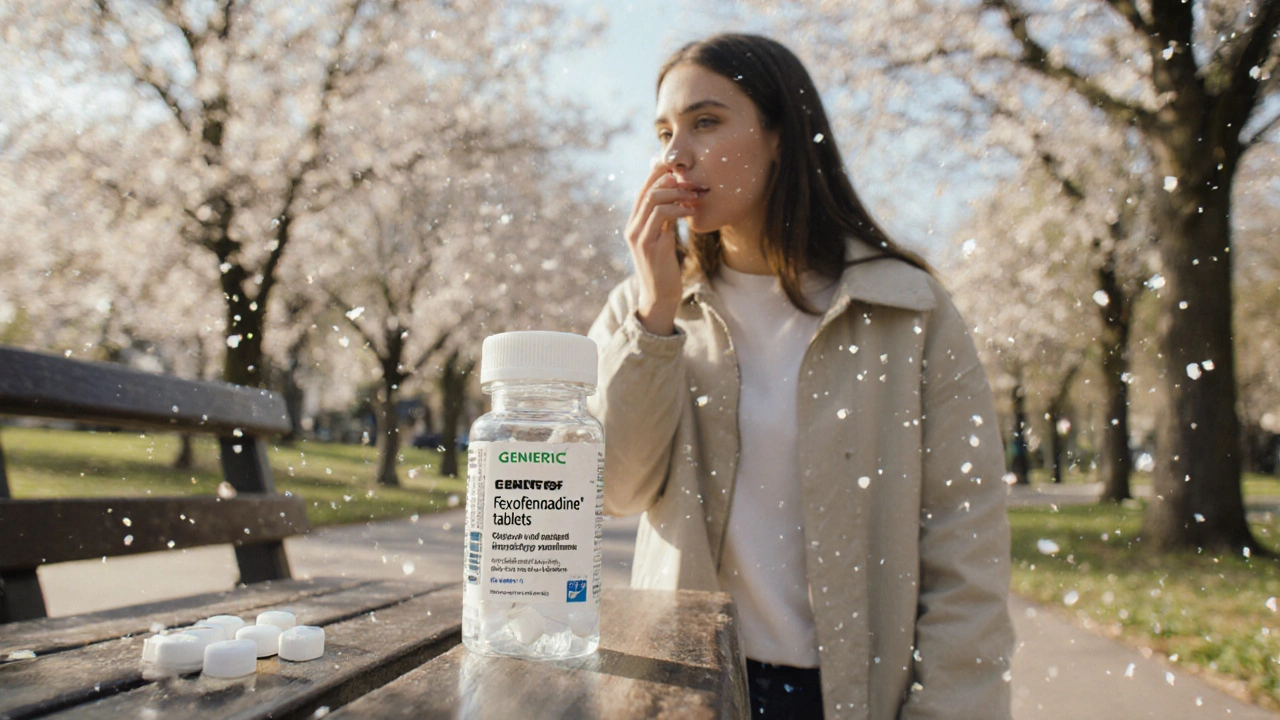
Buy Cheap Generic Allegra Online - Affordable Allergy Relief
Learn how to safely purchase cheap generic Allegra online, verify reputable pharmacies, compare prices, and get tips for quick, affordable allergy relief.