Understanding Ativan Side Effects: What Happens When You Take Lorazepam?
Ativan is a brand name for lorazepam, a medicine often prescribed for anxiety, insomnia, and sometimes seizures. It belongs to a group known as benzodiazepines, which work by calming your brain and nerves. While Ativan can help with stress and sleep problems, it’s important to know about possible side effects that can pop up.
Most people tolerate Ativan pretty well for short-term use, but it’s not without risks. Some common side effects include feeling sleepy, dizzy, or weak. You might notice your coordination getting a bit off or feel confused, especially if you’re older. These symptoms can affect your ability to drive or use machinery safely, so be cautious.
When Ativan Side Effects Become Serious
Though rare, some side effects need immediate attention. If you experience mood changes like increased depression, hallucinations, or thoughts of suicide, reach out to your doctor right away. Difficulty breathing or swelling could indicate a serious allergic reaction. Also, abruptly stopping Ativan can lead to withdrawal symptoms like shaking, sweating, or even seizures, so never quit on your own.
Other less common effects can affect your memory or cause muscle weakness. If you notice trouble concentrating or unusual tiredness, let your healthcare provider know. Keeping track of how you feel helps catch problems early and adjust your treatment safely.
Tips for Using Ativan Safely
To reduce side effects, take Ativan exactly as your doctor prescribes. Avoid mixing it with alcohol or other sedatives because that ups the risk of dangerous drowsiness or breathing problems. If you’re on other meds, tell your doctor since lorazepam can interact with plenty of drugs, sometimes causing unexpected issues.
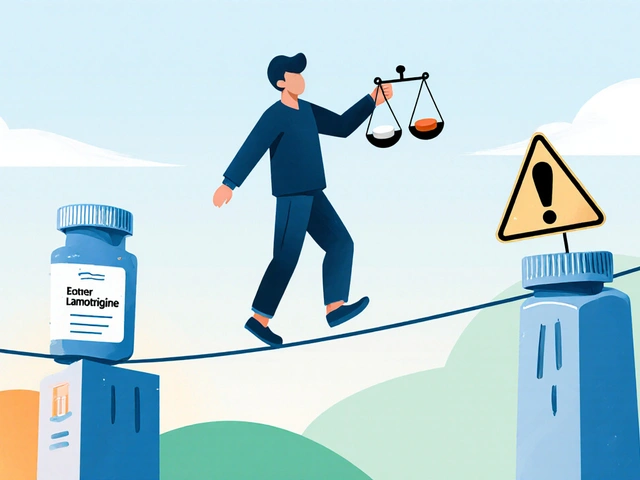
Long-term use of Ativan isn’t recommended without close supervision because it can cause dependence. If you feel the medicine isn’t working or side effects get worse, have an open chat with your doctor. They might suggest alternative treatments or doses.
In short, Ativan can be helpful but comes with side effects that you need to watch out for. Understanding what to expect and communicating with your healthcare provider is the best way to stay safe and get the relief you need.

Ativan Uses, Side Effects & Addiction: Everything You Need to Know
Discover the truth about Ativan—what it does, who should take it, and why it’s not your average anxiety med. Find out about its effects on your brain and body, plus tips for safer use and how to recognize real-life risks. Learn from real facts and stories about how this prescription drug changes lives, sometimes in ways nobody expects.