Blood Cancer Awareness: Know the Risks, Symptoms, and Resources
Blood cancer isn’t a single disease – it’s a group of cancers that start in your blood‑forming tissue, like bone marrow or the lymph system. People often hear about leukemia, lymphoma or myeloma but miss the basics that could help catch it early. This guide gives you straight‑forward facts, practical tips to spot warning signs, and reliable places to get support.
Common Types of Blood Cancer
Leukemia attacks white blood cells, making them grow out of control. You’ll see it named by how quickly it spreads – acute (fast) or chronic (slow). Lymphoma starts in the lymph nodes and can be Hodgkin or non‑Hodgkin. Myeloma targets plasma cells in the bone marrow, causing weak bones and kidney issues. Knowing which type you’re reading about helps you understand the specific symptoms and treatment options.
How to Spot Early Warning Signs
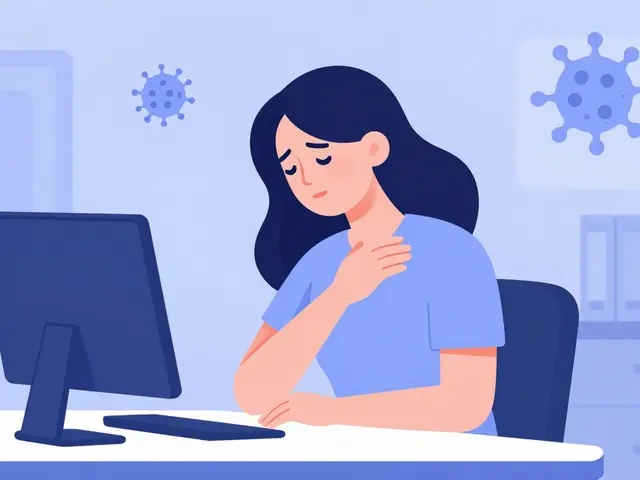
Most blood cancers show up with vague signs that people brush off. Look for unexplained fatigue, frequent infections, night sweats, or bruising that happens easily. A persistent fever, weight loss, or bone pain can also be clues. If you notice any of these for more than a few weeks, a quick blood test with your doctor can rule out or confirm a problem.
Because blood cancers affect the whole body, the symptoms are often subtle. That’s why regular check‑ups matter, especially if you have a family history of blood disorders. Simple blood work can catch abnormal cell counts before you feel sick.
When a doctor suspects blood cancer, they’ll usually order a complete blood count (CBC), bone‑marrow biopsy, or imaging scans. Don’t be scared by the word “biopsy” – it’s a routine procedure that gives doctors the information they need to choose the right treatment.
Treatment options have improved a lot in the last decade. Targeted therapy, immunotherapy, and newer chemotherapy combos can control many blood cancers for years. For myeloma patients, stem‑cell transplants are common and can lead to long remission periods.
If you or a loved one gets a diagnosis, mental support is just as important as medical care. Look for local cancer support groups, online forums, or counseling services. Many hospitals offer patient navigators who help you understand appointments, insurance, and medication schedules.
Staying informed is the best defense. Bookmark reputable sites like the American Cancer Society or Leukemia & Lymphoma Society for up‑to‑date guidelines. And remember: early detection saves lives, so trust your instincts and get checked if something feels off.

Why Blood Cancer Awareness and Advocacy Matter: A Comprehensive Guide
Learn why blood cancer awareness saves lives, how advocacy fuels research, early warning signs, and practical ways to get involved with reliable resources.