Understanding Blood Thinners: Essential Facts to Keep You Safe
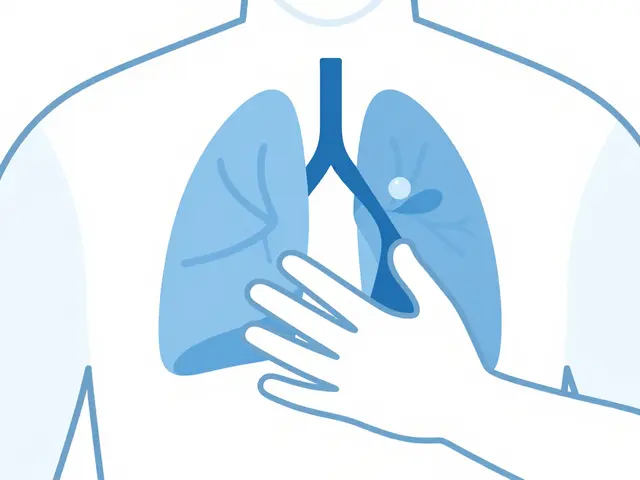
If you’ve ever heard a doctor mention blood thinners, you probably wondered what exactly they do and why they matter. Blood thinners, or anticoagulants, are medicines that help prevent blood clots from forming or growing. Clots can cause serious problems like strokes or heart attacks, so these meds play a big role in keeping your blood flowing smoothly.
But how do blood thinners work exactly? Basically, they slow down the body's blood clotting process. Think of it like slowing traffic to avoid jams — they make it harder for clots to get big enough to block your blood vessels. This can be a lifesaver if you have heart conditions, certain surgeries, or risks for clots.
Types of Blood Thinners and When They’re Used
There are mainly two types: anticoagulants like warfarin, and antiplatelet drugs like aspirin. Anticoagulants prevent your blood from clotting too quickly, while antiplatelets keep platelets (small blood cells) from sticking together. Your doctor will choose the right one based on your health condition.
For example, if you have atrial fibrillation, a common heart rhythm issue, blood thinners lower your stroke risk significantly. If you’ve had surgery, like a hip replacement, your risk of clots in the legs increases, and blood thinners can help keep things clear. Each medication works differently and needs careful monitoring, so always follow your healthcare provider’s instructions.
Handling Blood Thinners Safely: Tips You Should Follow
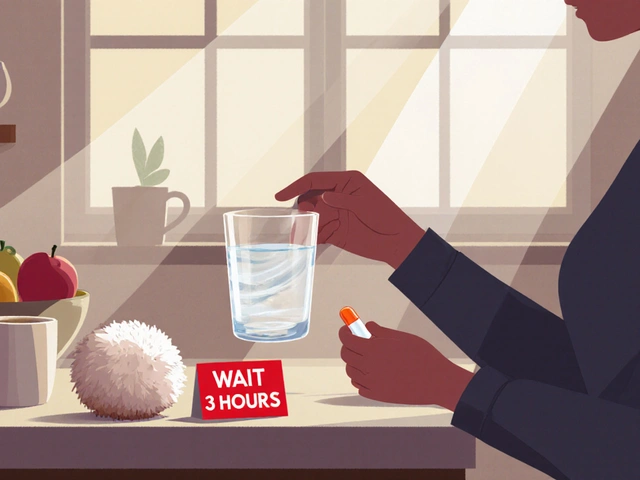
Blood thinners require some extra care. Bleeding is a common risk, even from small cuts or dental work. Be cautious with activities that might cause injury. Also, foods rich in vitamin K, like spinach, can interfere with some blood thinners, so maintaining a consistent diet is key. Don’t start or stop vitamins or supplements without talking to your doctor first.
Regular check-ups and blood tests are often necessary to make sure your medication dose is just right. If you notice unusual bruising, headaches, or dizziness, contact your healthcare provider. Managing medications and lifestyle together helps blood thinners do their job without causing trouble.
Blood thinners aren’t just pills — they’re an important tool for protecting your health. Understanding how they work and what to watch out for can make all the difference in staying safe and feeling confident with your treatment.

DOACs vs Warfarin for Diabetics: Safer Blood Thinners for AFib and DVT?
Curious if newer blood thinners beat old-school warfarin for diabetics with atrial fibrillation or DVT? This article digs deep into how DOACs and warfarin compare for people managing both diabetes and clot risks. You'll get clear facts, practical advice, and the latest research to help you weigh treatment options and talk to your doctor with confidence.