Estradiol Interactions: What You Need to Know About Drug Risks and Safety
When you take estradiol, a form of estrogen used in hormone therapy for menopause, transgender care, or low estrogen levels. Also known as 17-beta-estradiol, it helps balance hormones—but it doesn’t play well with everything. Mixing estradiol with other drugs can change how your body handles it, sometimes in dangerous ways. This isn’t just about side effects—it’s about real risks like blood clots, liver damage, or your meds not working at all.
One of the biggest concerns is blood thinners, medications like warfarin or DOACs that prevent clots. Estradiol can make your blood more likely to clot, which directly fights the purpose of these drugs. If you’re on both, your doctor needs to watch your clotting levels closely. Then there’s anticonvulsants, like carbamazepine or phenytoin, used for seizures or nerve pain. These can speed up how fast your body breaks down estradiol, making it less effective—so hot flashes or other symptoms might come back. Even thyroid meds, like levothyroxine, can be affected. Estradiol increases proteins that bind thyroid hormone, which can mess with your thyroid levels and make you feel tired or gain weight even if your dose is "correct."
Some herbal supplements quietly interfere too. Estradiol and black cohosh? They both act on estrogen receptors. Taking them together might overstimulate those receptors, raising your risk of breast issues or uterine changes. St. John’s wort? It’s famous for speeding up liver enzymes that clear estradiol from your system. That means you might need a higher dose just to feel the same effect—and that’s risky without medical oversight.
It’s not just about what you take—it’s about what you’re already dealing with. If you have liver disease, estradiol can make it worse. If you’ve had a blood clot before, adding estradiol might bring it back. Even common painkillers like acetaminophen can stress your liver more when mixed with estradiol over time. And if you’re on any kind of cancer treatment—especially breast cancer meds like tamoxifen or aromatase inhibitors—estradiol can directly undo their work.
What you’ll find below are real, practical guides from people who’ve walked this path. You’ll see how estradiol interacts with antibiotics, antidepressants, and even common cold meds. You’ll learn why timing matters, how to spot early warning signs, and what to ask your pharmacist before picking up a new prescription. These aren’t theoretical warnings—they’re lessons from real cases, backed by clinical data and patient experience. Whether you’re just starting hormone therapy or have been on estradiol for years, this collection gives you the clarity you need to stay safe and in control.
Gender-Affirming Hormone Therapy: Key Drug Interactions and Side Effects to Watch For
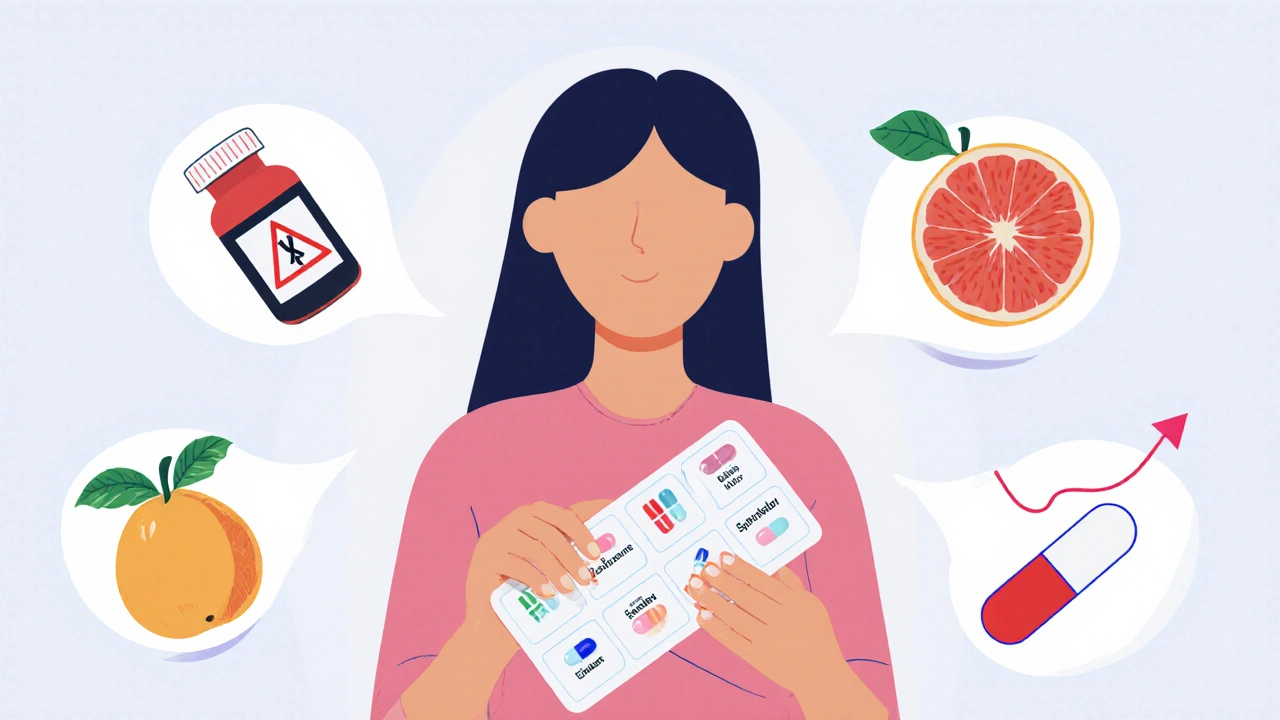
Gender-affirming hormone therapy is safe but can interact with HIV meds, antidepressants, and other drugs. Learn which combinations require monitoring and how to avoid dangerous side effects.