Eye Health Anxiety: Simple Steps to Calm Your Worries and Protect Your Vision
Feeling uneasy every time your eyes feel gritty, dry, or a little blurry is more common than you think. The fear of a serious eye problem can turn a minor irritation into a full‑blown panic spell. Below you’ll find straight‑forward tips to tell the difference between a real issue and an anxiety loop, and ways to keep your eyes – and mind – in better shape.
Typical triggers include sudden redness, light sensitivity, floaters, or the feeling that something’s stuck in your eye. Even a simple headache can make you wonder if it’s an optic nerve problem. These sensations are easy to misinterpret, especially when you’ve read a scary article or heard a friend’s horror story. Recognizing the trigger helps you break the cycle before it spirals.
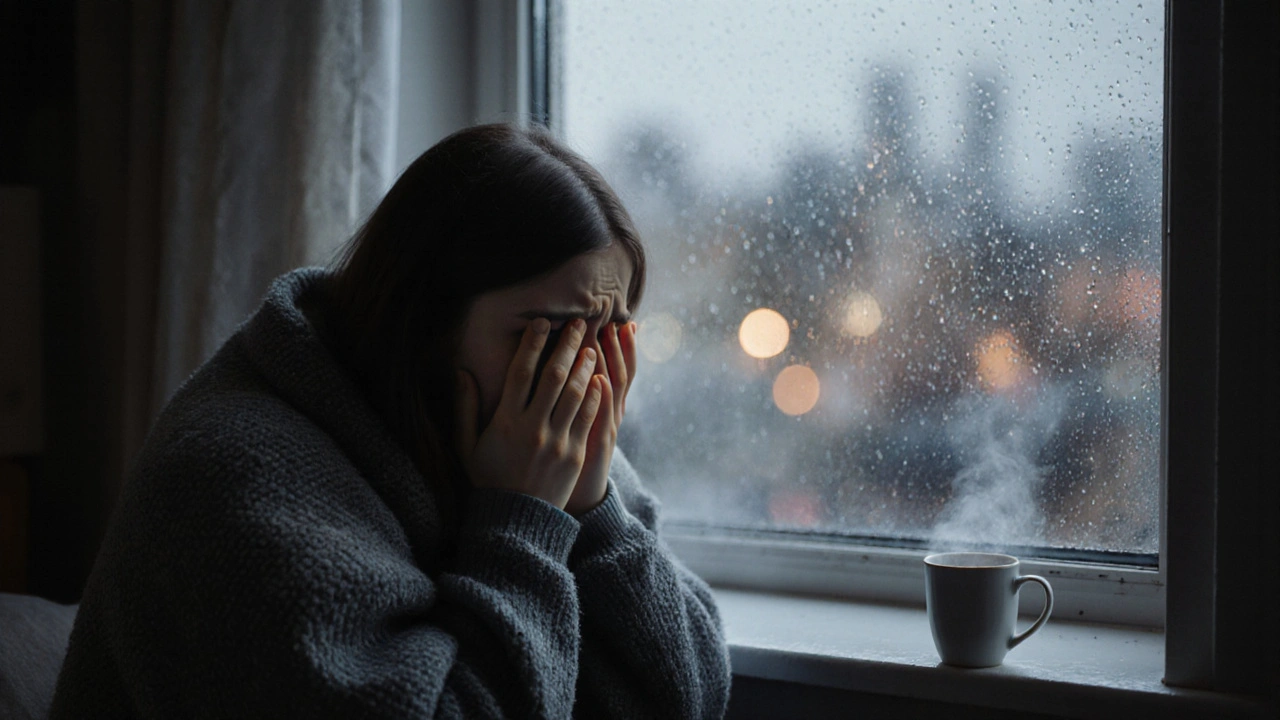
Anxiety itself can make eye symptoms feel worse. Stress narrows blood vessels, which may increase eye dryness or cause twitching. The more you focus on the discomfort, the more your brain amplifies the feeling. That feedback loop is why many people report that their eye worries get louder when they’re already stressed about work, sleep, or health.
Identify Triggers and Know When It’s Time to Act
First, ask yourself three quick questions: Is the symptom new or has it been there for days? Does it improve with a simple home remedy (like blinking, lubricating drops, or a short break from screens)? Is there any pain, vision loss, or discharge?
If the answer is “yes” to any of the last two, it’s worth a quick check‑in with a pharmacist or eye‑care professional. For instance, bacterial eye infections can cause anxiety because they sometimes lead to redness and discharge. A short course of antibiotic eye drops usually clears it up, and knowing that a plan exists can calm nerves.
On the other hand, if the irritation disappears after a few minutes of rest, stays mild, and isn’t accompanied by pain or vision changes, it’s probably just a temporary irritation – like dry air or screen fatigue. In those cases, the anxiety is the bigger issue, not the eye itself.
Practical Tips to Reduce Eye‑Health Anxiety
1. Take regular screen breaks. Follow the 20‑20‑20 rule: every 20 minutes, look at something 20 feet away for 20 seconds. This relaxes the focusing muscles and cuts down on dryness.
2. Stay hydrated. Your eyes need fluid, too. Drinking enough water reduces the chance of that gritty feeling that often sparks worry.
3. Use preservative‑free artificial tears. A few drops a day can keep the surface smooth and lower the urge to constantly rub or check your eyes.
4. Practice simple breathing exercises. When you notice an anxious thought about your eyes, pause and take five slow breaths. This lowers the stress response that can worsen eye twitching.
5. Keep a symptom journal. Write down what you feel, when it happens, and what you did about it. Patterns often emerge that show most episodes are harmless, which eases worry over time.
6. Schedule a routine eye exam. Knowing your baseline prescription and eye health status gives you a reference point. If a symptom deviates from that baseline, you’ll have a clear reason to seek help.
7. Limit caffeine and alcohol. Both can dehydrate you and amplify anxiety, making eye symptoms feel more intense.
Remember, it’s okay to feel uneasy about your eyes – they’re a crucial sense. The goal isn’t to ignore the feeling but to give it the right amount of attention. By checking symptoms, using basic self‑care, and reaching out to professionals when needed, you can keep anxiety in check and protect your vision.
Ready to stop the worry loop? Try one of the tips today, note how it feels, and see if the anxiety fades. For more detailed guides on eye‑related stress, check out our article on bacterial eye infections and mental health.
How Bacterial Eye Infections Affect Your Mindset and Well‑Being
Explore how bacterial eye infections trigger anxiety, depression, and quality‑of‑life changes, and learn coping strategies to protect mental health.