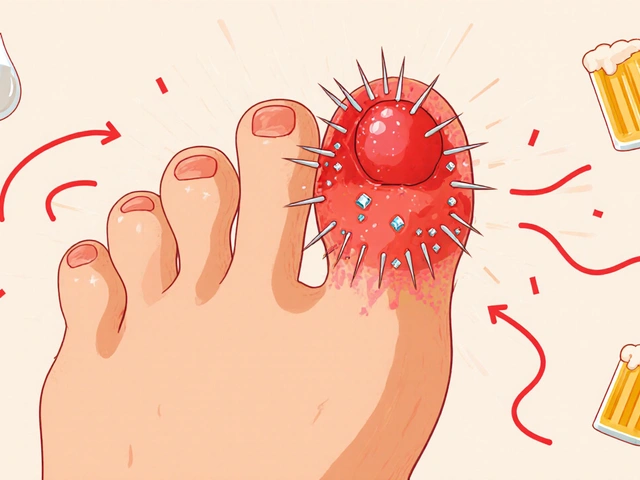
Understanding Folliculitis: What You Need to Know
Folliculitis is an annoying skin problem where your hair follicles get inflamed, often looking like little red bumps or pimples. It usually happens when bacteria or fungi infect these follicles, but sometimes, irritation from shaving or tight clothes can trigger it too. Although it’s mostly harmless, it can cause itching and discomfort that makes you want to scratch.
Most folks first notice itchy or tender spots on areas like the neck, thighs, or buttocks—places where hair grows and sweat can build up. These bumps might fill with pus and sometimes merge into larger sores. If left untreated, mild folliculitis could spread or cause scarring, so catching it early helps a lot.
What Causes Folliculitis?
There are several culprits behind folliculitis. The most common is a bacterial infection, particularly from Staphylococcus aureus. Fungal infections like yeast can also cause it, especially in warm, moist environments. Other causes include shaving too closely, wearing tight clothes that trap sweat, using oily skin products, or having a blocked follicle. People with weakened immune systems or those who use hot tubs often are more prone to it.
How to Treat and Prevent Folliculitis
Treating folliculitis usually starts with good skin hygiene. Gently washing the affected area with antibacterial soap can clear up mild cases. Warm compresses soothe itching and promote healing. If it’s stubborn or severe, doctors might recommend topical antibiotics or antifungal creams. Avoid scratching — it just spreads the infection or causes more irritation.
To keep folliculitis from coming back, try these simple habits: avoid sharing towels or razors, don’t wear tight or non-breathable clothing for long periods, and shave carefully using clean, sharp razors. Also, steer clear of hot tubs or pools that aren’t well-maintained. If you notice recurring flare-ups, a visit to your healthcare provider can help pinpoint and manage the cause.
Folliculitis might seem minor, but recognizing it early and treating it properly can save you a lot of discomfort. Don’t hesitate to care for your skin and ask for help when needed—your skin will thank you for it!
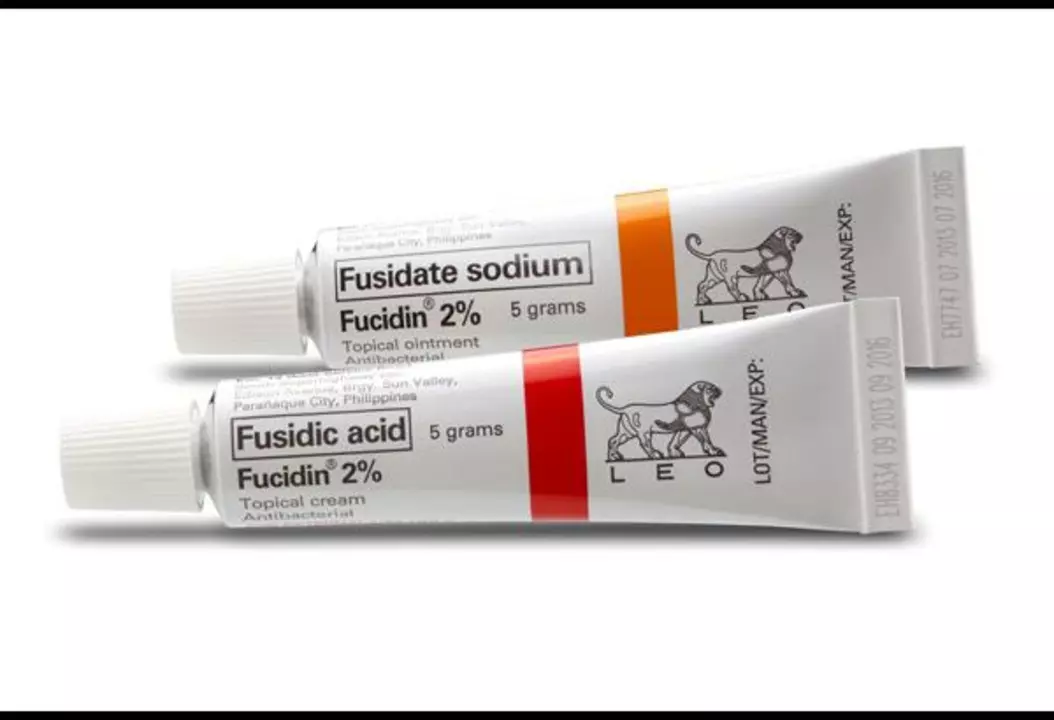
The Efficacy of Fusidic Acid in the Treatment of Folliculitis
After researching the efficacy of fusidic acid in treating folliculitis, I've found out that it's a highly effective treatment option. Fusidic acid, an antibiotic, specifically targets the bacteria causing the infection, leading to a quick resolution of symptoms. Many patients have experienced significant improvements within just a few days of starting the treatment. However, it's important to use fusidic acid as directed by a healthcare professional to prevent antibiotic resistance. Overall, fusidic acid has proven to be a reliable treatment for folliculitis, offering relief to those suffering from this painful skin condition.