Gender-Affirming Hormone Therapy: What It Is, How It Works, and What You Need to Know
When someone begins gender-affirming hormone therapy, a medical treatment that uses hormones like estrogen or testosterone to help align a person’s physical body with their gender identity. Also known as transgender hormone treatment, it’s not just about changing appearance—it’s about reducing distress and improving quality of life for many transgender and nonbinary people. This isn’t a one-size-fits-all process. Some people take estrogen to develop softer skin, breast growth, and reduced body hair. Others take testosterone to deepen their voice, increase muscle mass, and stop menstruation. The goal isn’t to mimic someone else’s body—it’s to help you feel at home in your own.
Estrogen therapy, used primarily by transfeminine individuals, often includes estradiol and anti-androgens to block testosterone. Common side effects include mood shifts, weight changes, and increased risk of blood clots, especially in smokers or those over 40. On the other side, testosterone therapy, used by transmasculine people, can lead to acne, hair loss, and changes in cholesterol levels. These aren’t random side effects—they’re predictable biological responses, and they’re manageable with regular monitoring. Many people don’t realize that hormone therapy affects more than just looks. It can change sleep patterns, energy levels, and even how you process emotions. That’s why working with a knowledgeable provider isn’t optional—it’s essential.
There’s a lot of misinformation out there. Some think you need to be on hormones forever. Others believe you’ll gain weight no matter what. The truth? Most changes are gradual, reversible to some degree, and deeply personal. What works for one person might not work for another. That’s why your treatment plan should be tailored—not copied from a blog or social media post.
Below, you’ll find real, evidence-based guides on how these therapies interact with other medications, what to watch for over time, and how to protect your health while transitioning. Whether you’re just starting out or have been on hormones for years, there’s something here that can help you make smarter, safer choices.
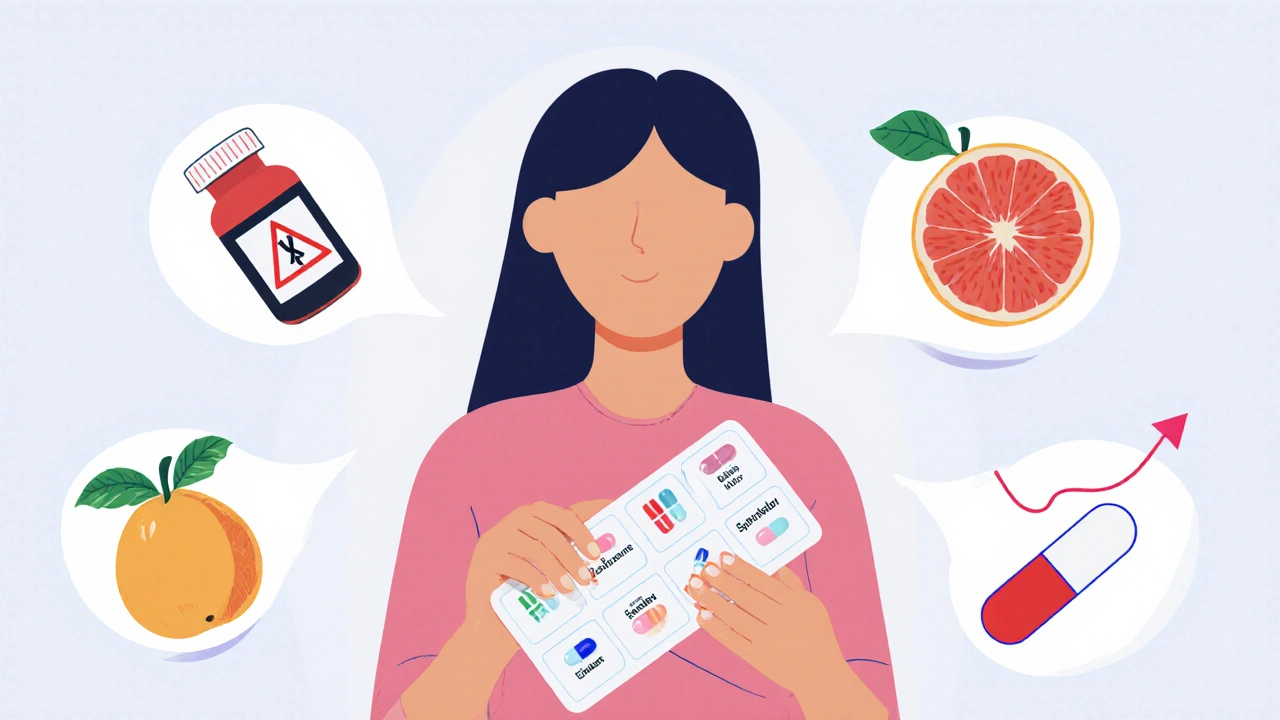
Gender-Affirming Hormone Therapy: Key Drug Interactions and Side Effects to Watch For
Gender-affirming hormone therapy is safe but can interact with HIV meds, antidepressants, and other drugs. Learn which combinations require monitoring and how to avoid dangerous side effects.