Meditation During Cancer Treatment: Benefits and Simple Starter Tips
Facing cancer can feel overwhelming, and a lot of us look for ways to keep calm when the treatment schedule is relentless. Meditation isn’t a magic cure, but it can lower stress, help manage pain, and improve mood—things that matter every day during chemo, radiation, or surgery recovery. Let’s break down why it works and how you can fit it into an already packed routine.
Why meditation makes a difference
First, meditation trains your brain to focus on the present instead of worrying about “what‑if” scenarios. Studies show that regular mindfulness practice can lower cortisol, the hormone that fuels anxiety and inflammation. Lower cortisol means you might sleep better, feel less nauseous, and even handle pain medication more effectively.
Second, the breathing techniques used in most meditation styles activate the parasympathetic nervous system—the part that tells your body to relax. Activation can slow heart rate, lower blood pressure, and give you a measurable break from the constant surge of treatment‑related stress.
How to start – simple steps for busy patients
1. Pick a short window. Five minutes is enough to see benefits. Try right after a treatment session when you’re sitting quietly, or before bedtime to unwind.
2. Choose a comfortable position. You don’t need to sit cross‑legged on the floor. A chair with a straight back, a pillow on your lap, or even lying down works as long as you’re relaxed.
3. Focus on the breath. Inhale slowly through the nose for a count of four, hold for two, then exhale through the mouth for six. Repeat. When thoughts drift—about test results, appointments, or side effects—gently bring attention back to the breath without judging yourself.
4. Use guided recordings. Apps or free YouTube videos let you follow a voice that keeps you on track. Look for sessions labeled “cancer patients” or “medical mindfulness” for content that respects your situation.
5. Make it a habit. Place a reminder on your phone or set a small sign on your bedside table. Consistency beats length; a daily five‑minute habit beats a one‑off 30‑minute session.
Remember, it’s okay if you miss a day or feel restless. The goal isn’t perfection, it’s giving yourself a regular break from the noise of treatment.
Many cancer centers now offer group meditation classes or integrate mindfulness into physical therapy. If you have a support group, ask if anyone already practices—joining a peer group can boost motivation and provide a safe space to share experiences.
Finally, talk to your healthcare team. While meditation is safe for most people, certain mental health conditions may need a tailored approach. Your oncologist or a certified therapist can guide you on the best techniques for your specific needs.
In short, meditation is a low‑cost, low‑risk tool that can make the tough days of cancer treatment feel a little less heavy. Start small, stay consistent, and notice how even a few quiet breaths can shift your mood, improve sleep, and help you cope with the rollercoaster of treatment.
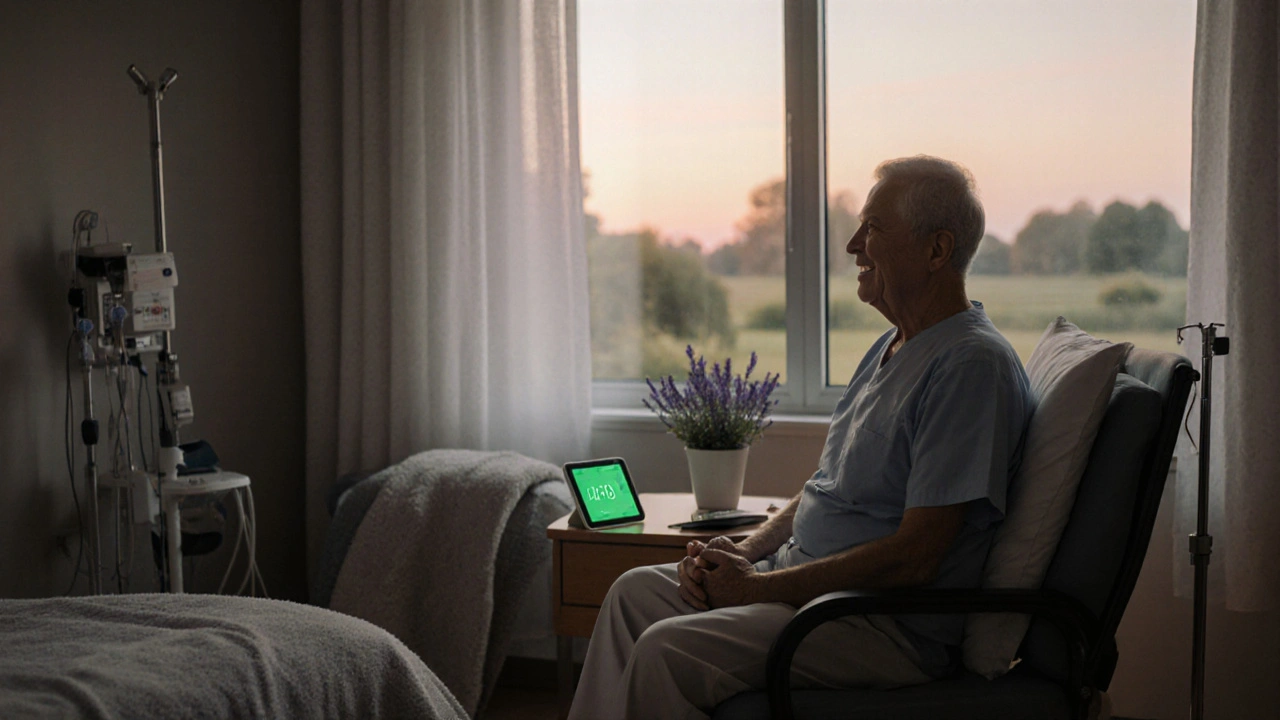
Myeloma and Meditation: Finding Peace and Calm During Treatment
Explore how meditation can ease stress, improve sleep, and boost immunity for multiple myeloma patients during treatment, with practical tips and techniques.