Sjögren's Syndrome: Symptoms, Treatments, and How Medications Help
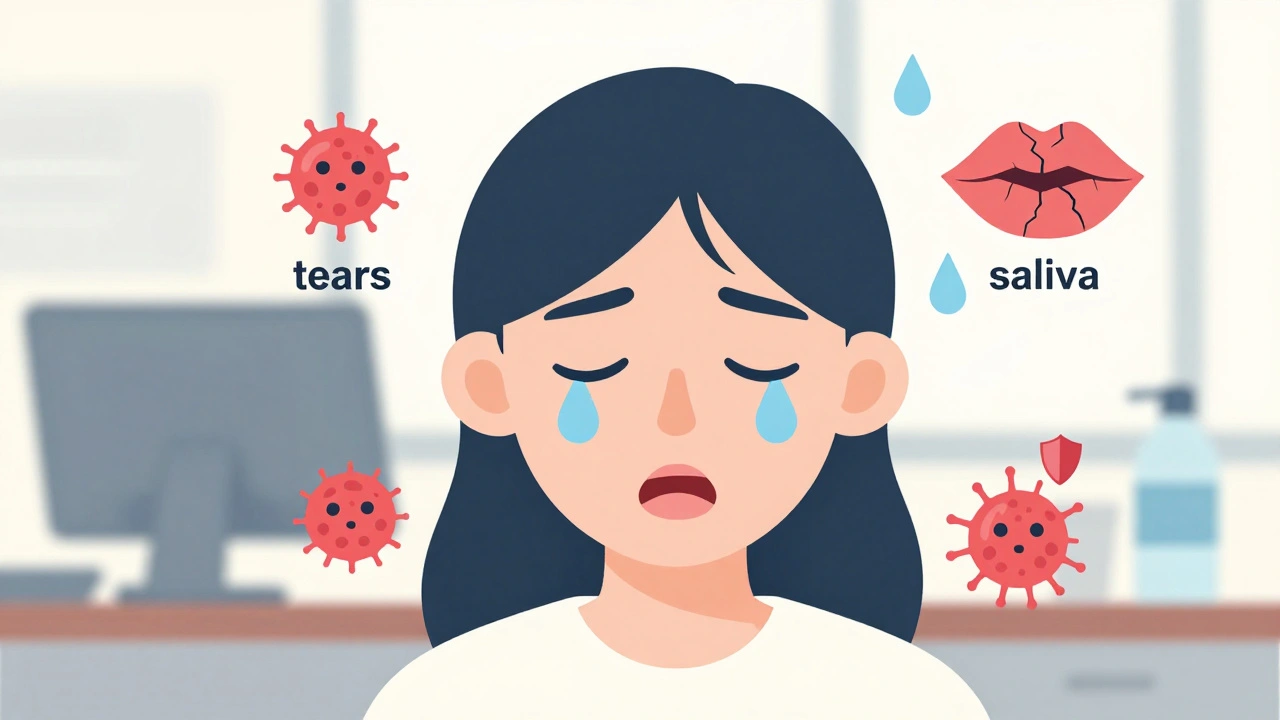
When your body attacks its own moisture-producing glands, you get Sjögren's Syndrome, an autoimmune disorder that primarily dries out the eyes and mouth by targeting tear and saliva glands. Also known as Sjögren’s disease, it doesn’t just make you thirsty—it can cause joint pain, fatigue, and even damage to nerves and organs over time. It’s more common in women over 40, and often shows up alongside other autoimmune conditions like rheumatoid arthritis or lupus.
Two main symptoms define it: dry eyes, a gritty, burning feeling that won’t go away even with artificial tears, and dry mouth, making it hard to swallow, speak, or even taste food. These aren’t just annoyances—they raise your risk of dental decay, eye infections, and swallowing problems. Many people mistake them for normal aging or side effects of medications, but if they stick around for months, it’s worth getting tested. Blood tests for anti-SSA and anti-SSB antibodies, along with eye and salivary gland exams, help confirm the diagnosis.
Treatment doesn’t cure Sjögren’s, but it can stop symptoms from controlling your life. Over-the-counter artificial tears and sugar-free gum help with mild cases. For more serious cases, doctors may prescribe immunosuppressants, drugs like hydroxychloroquine or methotrexate that calm the overactive immune system. Some patients get relief from pilocarpine or cevimeline—medications that trick the body into producing more saliva and tears. Pain and inflammation from joint involvement often respond to NSAIDs, while nerve pain may need gabapentin or low-dose antidepressants. There’s no one-size-fits-all plan, which is why tracking your symptoms and working with a rheumatologist matters.
What you’ll find in the posts below isn’t just theory—it’s real-world advice from people who’ve lived with this condition, paired with clear explanations of the drugs, tests, and daily strategies that actually work. You’ll see how medication timing affects absorption, why certain pain relievers can backfire, and how to avoid interactions that make symptoms worse. No fluff. No guesswork. Just what you need to manage Sjögren’s with more control and less frustration.
Sjögren’s Syndrome: What It Is, How It Affects Your Body, and What You Can Do
Sjögren’s Syndrome is an autoimmune disease that attacks moisture-producing glands, causing chronic dry eyes, dry mouth, fatigue, and joint pain. Learn how it's diagnosed, managed, and why early detection matters.