SSRIs for Adolescents: What Parents and Teens Need to Know
When it comes to treating depression and anxiety in teens, SSRIs, selective serotonin reuptake inhibitors, a class of antidepressants that increase serotonin levels in the brain. Also known as antidepressants for teens, they are among the most prescribed medications for adolescents struggling with mood disorders. But they’re not magic pills. They don’t work the same for everyone, and they come with warnings that parents and teens need to understand before starting.
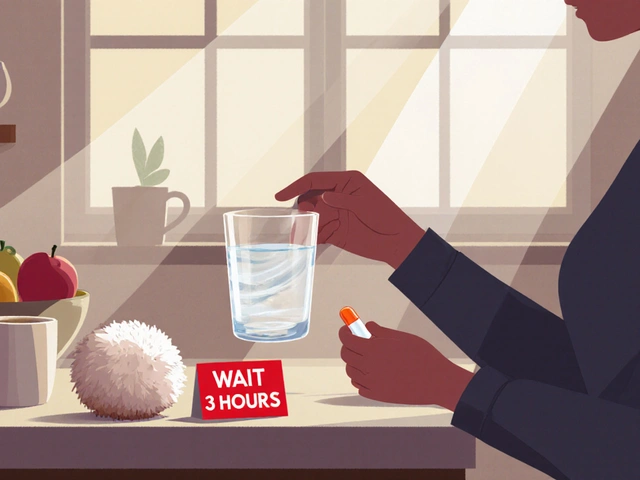
Fluoxetine (Prozac) is the only SSRI approved by the FDA specifically for kids as young as 8, and it’s the most studied in teens. Sertraline (Zoloft) and escitalopram (Lexapro) are also commonly used, even if not officially approved for under-18s—doctors prescribe them based on real-world evidence. These drugs help about 50-60% of teens with moderate to severe depression, but it takes 4 to 8 weeks to see real change. That’s longer than most teens are willing to wait, which is why some quit too early—or why parents panic if they don’t see instant results.
One of the biggest concerns? The risk of increased suicidal thoughts in the first few weeks of treatment. The FDA requires a black box warning on all SSRIs for this reason. But here’s what the data really shows: the risk is small, and it’s far lower than the risk of suicide if depression goes untreated. The key is close monitoring—especially in the first month. Regular check-ins with a doctor, watching for sudden changes in behavior, and keeping communication open with your teen make all the difference.
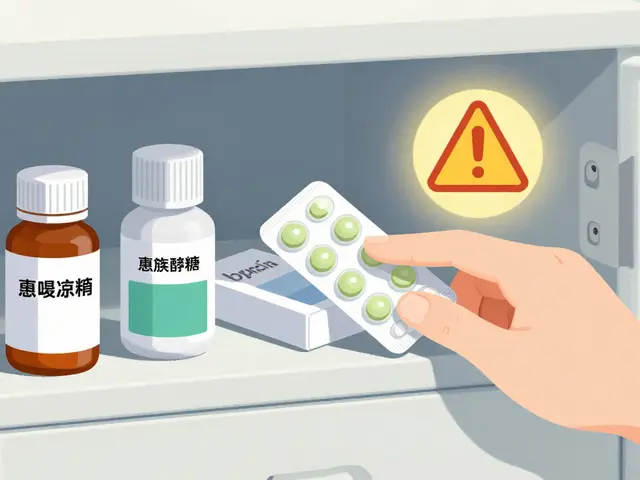
SSRIs don’t fix everything. They’re most effective when paired with therapy, like CBT. A teen on sertraline who skips counseling might feel a little better but won’t learn how to manage anxiety or rebuild self-worth. And SSRIs can interact with other meds—like ibuprofen or certain herbal supplements—which is why a pharmacist’s review matters. Many parents don’t realize that even over-the-counter painkillers can raise bleeding risk when taken with SSRIs.
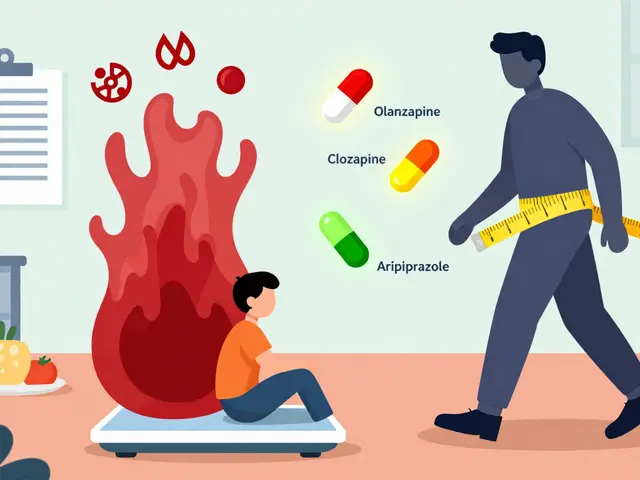
Side effects are common at first: nausea, headaches, trouble sleeping, or feeling jittery. These usually fade after a week or two. But weight gain, sexual side effects, or emotional numbness can stick around—and those are the reasons some teens stop taking them. It’s not laziness. It’s not rebellion. It’s often the drug doing something they didn’t sign up for.
Not every teen needs an SSRI. Mild depression often responds to therapy, exercise, better sleep, and school support. But for those with severe symptoms—school refusal, self-harm, constant hopelessness—medication can be life-saving. The goal isn’t to make them "happy" all the time. It’s to give them enough stability to start healing.
What you’ll find in the posts below are real, practical guides on how SSRIs fit into the bigger picture of teen mental health. From how they compare to other treatments, to what to do if side effects hit, to how to talk to your teen about taking them—you’ll get the straight facts without the fluff. These aren’t theoretical articles. They’re written by people who’ve seen what works—and what doesn’t—in real clinics, real homes, and real lives.
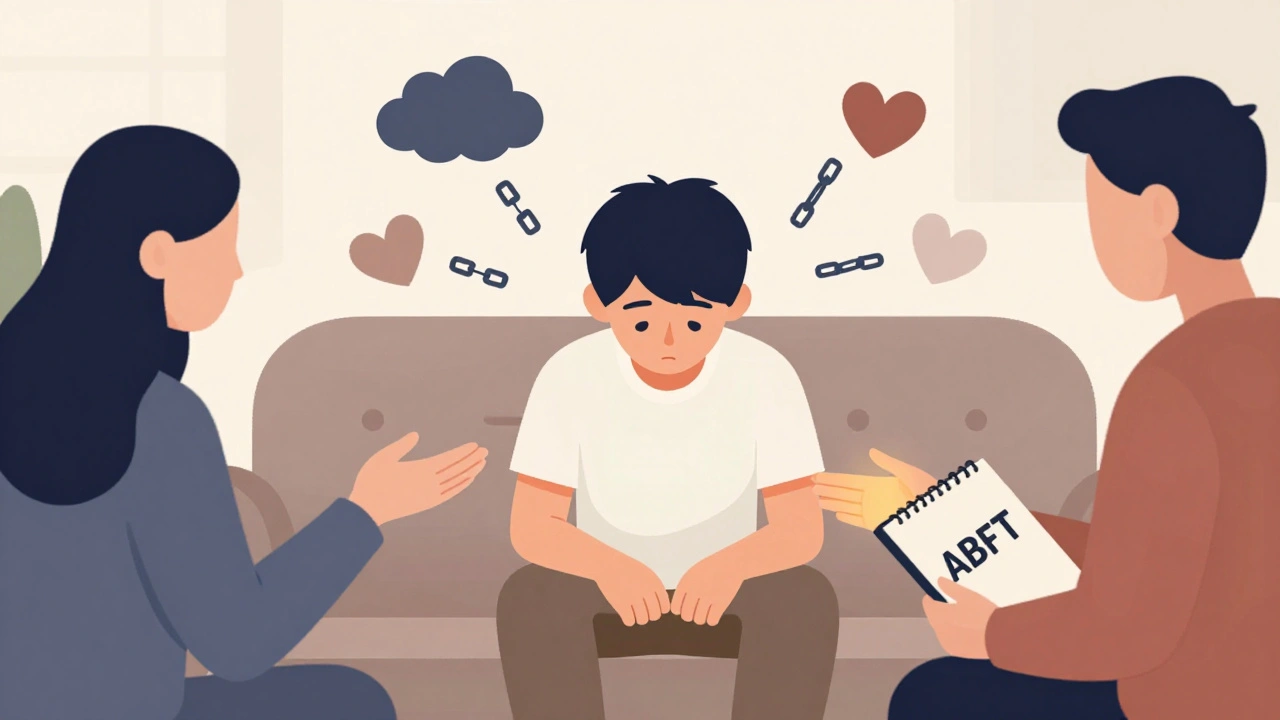
Child and Adolescent Depression: How Family Therapy and Medications Work Together
Family therapy and FDA-approved medications like fluoxetine and escitalopram are the most effective treatments for teen depression. Together, they address both emotional roots and brain chemistry, offering real hope for recovery.